Major Shifts in US Community Resource Allocation for 2026
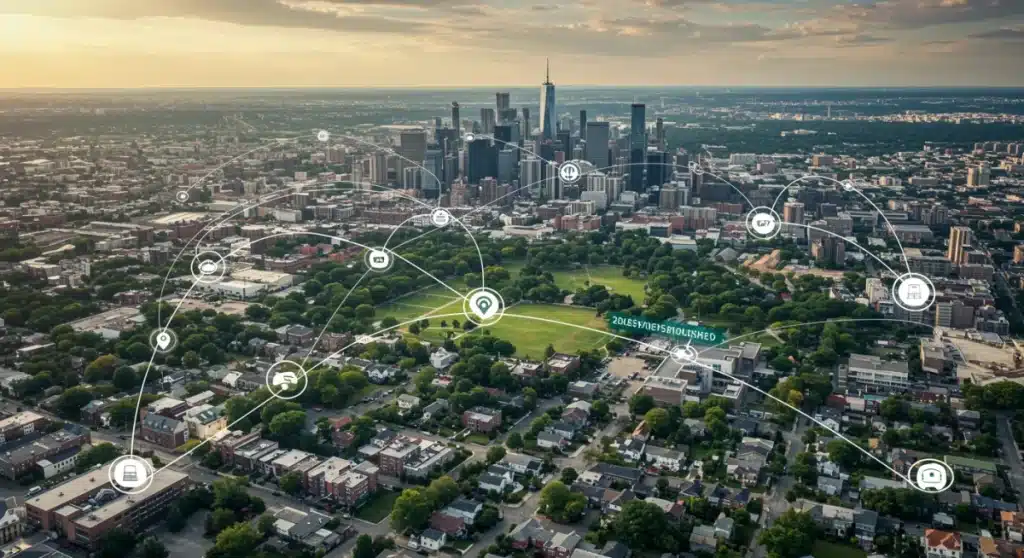
The US community resource allocation landscape in 2026 is undergoing significant transformations driven by digital equity initiatives, climate resilience investments, and integrated health service models, profoundly reshaping local support systems.
As we approach 2026, understanding the US community resource allocation landscape becomes crucial for individuals, organizations, and policymakers alike. The way resources are distributed and utilized within communities is not static; it is constantly evolving, influenced by technological advancements, environmental imperatives, and shifting societal needs. This article delves into the three most significant shifts poised to redefine how communities access and manage vital support systems in the coming years.
The Digital Equity Imperative: Bridging the Access Gap
The concept of digital equity has moved from a niche concern to a central pillar of community resource allocation. In 2026, ensuring that every individual has access to affordable, reliable internet and the skills to use it is no longer just about convenience; it’s about fundamental participation in society.
This shift acknowledges that digital access is a prerequisite for education, employment, healthcare, and civic engagement. Communities are grappling with the challenge of closing the persistent digital divide, which disproportionately affects low-income households, rural populations, and certain minority groups.
Broadband Infrastructure Expansion
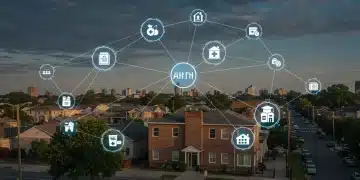
Significant federal and state investments are targeting the expansion of high-speed broadband infrastructure, particularly in underserved areas. This isn’t merely about laying cables; it involves strategic planning to ensure last-mile connectivity and affordability.
- Subsidized Internet Programs: New programs are emerging to help low-income families afford internet services, recognizing that infrastructure alone is insufficient without financial accessibility.
- Public-Private Partnerships: Collaboration between government entities and private internet service providers is key to accelerating deployment and ensuring sustainable models for maintenance and upgrades.
- Community-Owned Networks: Some communities are exploring municipal broadband initiatives to gain greater control over pricing and service quality, fostering local economic development.
The focus extends beyond mere connectivity to digital literacy, with programs designed to equip residents with the skills needed to navigate the online world safely and effectively. This holistic approach ensures that access translates into meaningful engagement and opportunity.
Ultimately, the digital equity imperative represents a foundational change in how communities view and allocate resources. It recognizes that in an increasingly digital world, equitable access to technology is as vital as access to physical infrastructure or social services. Failure to address this gap would exacerbate existing inequalities and hinder overall community progress.
Climate Resilience and Green Infrastructure: Protecting Our Future
The escalating impacts of climate change have propelled climate resilience to the forefront of resource allocation discussions. By 2026, communities across the US are not just reacting to environmental threats but proactively investing in green infrastructure and sustainable practices to mitigate risks and adapt to a changing climate.
This shift reflects a growing understanding that environmental sustainability is inextricably linked to community well-being and economic stability. Resources are being re-directed towards projects that enhance natural systems, protect vulnerable populations, and build long-term adaptive capacity.
Investment in Green Infrastructure
Green infrastructure, such as permeable pavements, green roofs, and urban forests, is gaining prominence as a multi-benefit solution. These projects not only manage stormwater and reduce urban heat but also improve air quality and create recreational spaces.
- Stormwater Management: Funding is increasingly allocated to natural solutions for flood control, reducing reliance on traditional, often costlier, grey infrastructure.
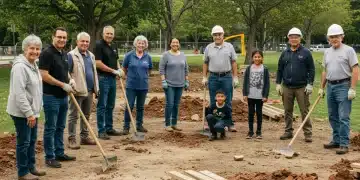
- Urban Greening Initiatives: Programs focused on tree planting and expanding green spaces are recognized for their role in cooling cities, promoting biodiversity, and enhancing public health.
- Renewable Energy Transition: Communities are investing in local renewable energy projects, such as solar microgrids, to enhance energy independence and reduce carbon footprints, often with community ownership models.
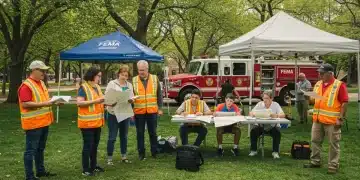
The emphasis on climate resilience also involves preparing communities for extreme weather events, from heatwaves to wildfires and hurricanes. This includes developing early warning systems, establishing emergency shelters, and training local responders, all of which require significant resource allocation and strategic planning.
The integration of climate resilience into community resource allocation signifies a long-term vision for sustainable growth and protection. It moves beyond short-term fixes, recognizing that investing in the environment is an investment in the health, safety, and prosperity of future generations. This paradigm shift demands interdisciplinary collaboration and innovative funding mechanisms.
Integrated Health and Social Services: A Holistic Approach to Well-being
A profound shift in 2026 is the move towards integrating health and social services, recognizing that an individual’s well-being is influenced by a complex interplay of factors beyond traditional medical care. This holistic approach aims to address social determinants of health, such as housing, food security, transportation, and employment, as integral components of community resource allocation.
The traditional siloed approach to healthcare often overlooks the root causes of poor health outcomes. The new model seeks to create seamless pathways for individuals to access both medical and social support, leading to more effective and equitable care.
Coordinated Care Models
Healthcare providers, social workers, and community organizations are increasingly collaborating to offer coordinated care. This means a patient visiting a clinic might also be connected with housing assistance or food bank services.
- Community Health Workers: The role of community health workers is expanding, acting as vital bridges between clinical settings and community resources, helping individuals navigate complex systems.
- Telehealth Expansion: Beyond digital equity, telehealth is being integrated into social service delivery, allowing for remote consultations and support, particularly beneficial for rural or mobility-impaired residents.
- Data Sharing Initiatives: Secure and ethical data sharing across health and social service agencies is crucial for identifying needs, tracking outcomes, and ensuring comprehensive support, while respecting privacy.
This integration also extends to mental health services, with greater emphasis on preventative care and early intervention within community settings. Schools, workplaces, and community centers are becoming key sites for mental wellness programs, reducing stigma and increasing accessibility.
The shift towards integrated health and social services acknowledges that true well-being is multifaceted. By breaking down traditional barriers and fostering collaboration, communities can allocate resources more efficiently and effectively, ensuring that individuals receive comprehensive support that addresses all aspects of their lives. This approach promises not only better health outcomes but also more resilient and thriving communities.
Funding Mechanisms and Policy Realignments
The shifts in resource allocation for 2026 are not happening in a vacuum; they are supported by significant changes in funding mechanisms and policy realignments at federal, state, and local levels. Governments are increasingly adopting innovative financial models and adapting regulatory frameworks to support these new priorities.
Traditional grant-based funding is being complemented by performance-based contracts, social impact bonds, and public-private investment funds. These mechanisms aim to incentivize effective outcomes and leverage private capital for public good.
Innovative Funding Strategies
New approaches to financing community initiatives are emerging, moving beyond conventional grants to more sustainable and impactful models.
- Outcome-Based Funding: Programs are increasingly funded based on their ability to achieve measurable results, encouraging efficiency and accountability among service providers.
- Impact Investing: Private investors are channeling capital into projects that generate both financial returns and positive social or environmental impacts, aligning profit with purpose.
- State and Local Bond Measures: Voters are approving bond measures to fund large-scale infrastructure projects related to climate resilience and affordable housing, demonstrating strong community support.
Policy changes are also critical, providing the legislative framework necessary for these shifts. This includes streamlining permitting processes for green infrastructure, establishing new digital equity offices, and mandating inter-agency collaboration for integrated services.
These policy realignments are essential for creating an enabling environment where new resource allocation strategies can thrive. They aim to reduce bureaucratic hurdles, encourage innovation, and ensure that resources are directed towards the most pressing community needs in a coordinated manner. The evolving landscape of funding and policy is a testament to the dynamic nature of community development.
Community Engagement and Participatory Planning
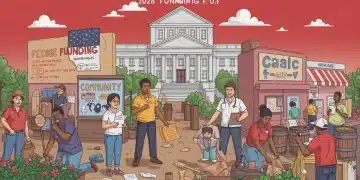
A cornerstone of effective resource allocation in 2026 is robust community engagement and participatory planning. Rather than top-down directives, communities are increasingly adopting models that empower residents to have a direct say in how resources are identified, prioritized, and distributed.
This shift recognizes that local residents possess invaluable insights into their community’s unique challenges and opportunities. Their active involvement not only ensures that resources are allocated where they are most needed but also fosters a sense of ownership and collective responsibility.
Empowering Local Voices
Mechanisms for community input are becoming more sophisticated and accessible, moving beyond traditional public hearings to include digital platforms, neighborhood councils, and citizen assemblies.
- Participatory Budgeting: Many cities are implementing participatory budgeting, allowing residents to directly decide how a portion of public funds is spent on local projects.
- Community Needs Assessments: Comprehensive assessments are conducted with significant community input to identify gaps in services and areas requiring resource allocation.
- Resident-Led Initiatives: Support and funding are being directed towards grassroots organizations and resident-led projects, recognizing their agility and deep understanding of local contexts.
The role of technology in facilitating engagement is also growing, with online forums, surveys, and mapping tools allowing for broader participation. However, efforts are also made to ensure that digital tools do not exclude those without internet access, maintaining a balance between digital and traditional outreach methods.
This emphasis on community engagement reflects a democratic ideal in resource allocation. It ensures that decisions are not just made for communities but by communities, leading to more relevant, sustainable, and equitable outcomes. The power of collective wisdom and local expertise is being harnessed to shape a better future.
Challenges and Opportunities in Implementation
While the three major shifts in US community resource allocation for 2026 present immense opportunities, their implementation is not without challenges. Navigating these complexities requires strategic foresight, adaptability, and a commitment to equitable outcomes.
One significant challenge lies in securing sustained funding, especially for long-term projects like climate resilience and digital infrastructure. Initial investments are crucial, but ongoing operational and maintenance costs demand continuous financial planning and political will.
Overcoming Implementation Hurdles
Addressing the practical difficulties of translating policy into effective action requires multifaceted strategies.
- Inter-Agency Coordination: Breaking down silos between government agencies and non-profits remains a challenge, requiring strong leadership and shared goals.
- Measuring Impact: Developing robust metrics to accurately measure the social and economic impact of new resource allocation strategies is essential for accountability and future funding.
- Equity and Inclusion: Ensuring that new programs and resources genuinely reach the most vulnerable populations requires intentional design and continuous monitoring to prevent exacerbating existing disparities.
Another critical aspect is workforce development. Implementing these new initiatives requires a skilled workforce, from broadband technicians to climate scientists and integrated care coordinators. Investing in training and education programs is paramount to meet these evolving demands.
Despite these challenges, the opportunities are substantial. These shifts promise more resilient, equitable, and healthy communities. By embracing innovation, fostering collaboration, and prioritizing the needs of all residents, the US can build a future where community resources are truly allocated for the greatest good, ensuring that no one is left behind in the journey towards collective well-being.
| Key Shift | Brief Description |
|---|---|
| Digital Equity Imperative | Focus on universal, affordable broadband access and digital literacy to ensure full societal participation. |
| Climate Resilience & Green Infrastructure | Investing in sustainable practices and natural systems to mitigate climate risks and enhance community adaptation. |
| Integrated Health & Social Services | Holistic approach to well-being by combining medical care with social support for housing, food, and employment. |
| Community Engagement | Empowering residents through participatory planning to ensure resources meet local needs effectively. |
Frequently Asked Questions About Community Resource Allocation
The primary driver is the recognition that digital access is no longer a luxury but a fundamental necessity for full participation in modern society. This includes access to education, employment opportunities, healthcare services, and civic engagement, making broadband and digital literacy essential community resources.
Climate resilience shifts resource allocation towards proactive investments in green infrastructure and sustainable practices. This includes funding for projects like urban forests, permeable surfaces, and local renewable energy, aiming to mitigate environmental risks and protect vulnerable populations from climate change impacts.
It means adopting a holistic approach where healthcare providers and social service organizations collaborate closely. This ensures individuals receive comprehensive support addressing not only medical needs but also social determinants of health like housing, food security, and employment, fostering overall well-being.
Yes, alongside traditional grants, new funding models include outcome-based funding, social impact bonds, and increased public-private partnerships. These aim to incentivize effective results, leverage private capital for public good, and ensure sustainable financial support for long-term community development projects.
Community engagement is crucial. It empowers residents to participate directly in planning and decision-making for resource distribution. This ensures that allocations are tailored to local needs, fostering a sense of ownership and leading to more effective, equitable, and sustainable outcomes for the community.
Conclusion
The trajectory of US community resource allocation in 2026 is clearly defined by three transformative shifts: the imperative for digital equity, the critical investment in climate resilience and green infrastructure, and the move towards integrated health and social services. These changes reflect a deeper understanding of interconnected societal needs and a commitment to building more equitable, sustainable, and resilient communities. While challenges in funding and coordination remain, the opportunities for profound positive impact are immense. By embracing these shifts, communities can not only address immediate needs but also lay the groundwork for a healthier, more inclusive future for all residents, ensuring that resources are strategically deployed for collective well-being and long-term prosperity.