Emergency Housing Solutions: Your US Guide to Immediate Support
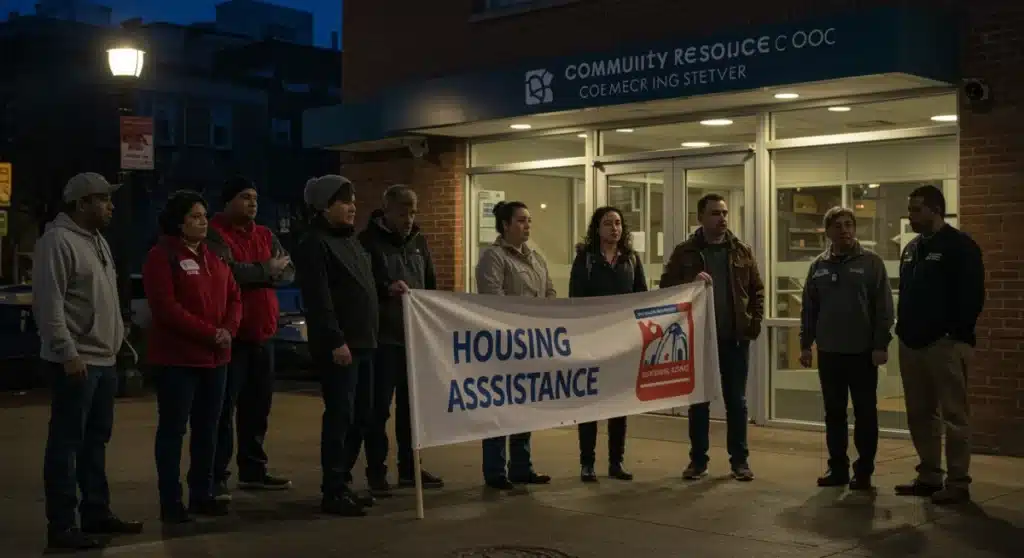
Emergency housing solutions in the United States offer critical, immediate support to individuals and families experiencing homelessness or an imminent housing crisis through various federal, state, and local programs.
Finding yourself without stable housing can be an incredibly daunting experience, but it’s crucial to remember that help is available. This comprehensive guide on emergency housing solutions in the US aims to provide a clear, step-by-step roadmap to accessing immediate support and navigating the complex landscape of assistance programs. You are not alone in this challenge, and understanding your options is the first step toward stability.
Understanding the Landscape of Emergency Housing Support in the US
The United States offers a mosaic of emergency housing support, primarily through a combination of federal, state, and local initiatives, as well as non-profit organizations. These programs are designed to provide immediate shelter and support to individuals and families facing homelessness or an urgent housing crisis. Understanding the various types of assistance available is crucial for anyone seeking help.
Federal programs often set the framework, while states and local communities adapt these guidelines to meet specific regional needs. This localized approach means that the availability and exact nature of services can vary significantly depending on where you are located. It underscores the importance of local research, which we will delve into later in this guide.
Key Federal Programs and Their Roles
Several federal agencies play a pivotal role in funding and overseeing emergency housing initiatives. These programs often provide grants to states, cities, and non-profit organizations, enabling them to offer direct services to those in need.
- HUD (Department of Housing and Urban Development): HUD is a primary source of funding for homeless assistance programs, including Emergency Solutions Grants (ESG) and Continuum of Care (CoC) programs, which provide shelter, street outreach, rapid re-housing, and homelessness prevention services.
- FEMA (Federal Emergency Management Agency): While primarily known for disaster response, FEMA can also provide housing assistance in declared disaster areas, including temporary housing units or financial assistance for rental housing.
- VA (Department of Veterans Affairs): The VA offers specific housing programs for homeless veterans, such as the HUD-VASH program (Housing and Urban Development-Veterans Affairs Supportive Housing), which combines rental assistance with case management and clinical services.
Beyond these federal initiatives, many states and counties have their own housing departments that administer additional programs. These might include rental assistance, utility assistance, or even state-funded shelters that complement federal efforts. Private non-profit organizations, often funded by both government grants and private donations, are also critical players, providing direct services, advocacy, and specialized support for various populations.
In essence, the emergency housing landscape is multifaceted, designed to address immediate needs through various channels. By familiarizing yourself with these foundational elements, you can better navigate the system and identify the most relevant resources for your situation.
Identifying Your Immediate Needs and Eligibility
Before seeking assistance, it’s essential to clearly identify your immediate needs and understand the general eligibility requirements for emergency housing programs. This clarity will streamline your search and help you connect with the most appropriate resources. The type of housing crisis you are experiencing—whether it’s imminent homelessness, domestic violence, or a natural disaster—will often dictate the specific programs best suited for your situation.
Eligibility criteria can vary widely, but common factors include income levels, family composition, veteran status, and the nature of your housing instability. Most programs prioritize those who are literally homeless or at imminent risk of homelessness, often defined as having no fixed, regular, and adequate nighttime residence.
Common Eligibility Factors
While specific requirements differ, many programs consider the following:
- Income: Many programs have income limits, often tied to a percentage of the Area Median Income (AMI) for your region.
- Family Status: Programs often prioritize families with children, pregnant individuals, or those with disabilities.
- Veteran Status: As mentioned, veterans have specific programs designed to address their unique needs.
- Nature of Crisis: Whether you are fleeing domestic violence, facing eviction, or displaced by a disaster can determine which specialized programs you qualify for.
It’s important to gather any relevant documentation that can support your case, such as proof of income, identification for all household members, eviction notices, or police reports if applicable. Having these documents ready can significantly expedite the application process. Even if you don’t have all documents immediately, it’s still advisable to reach out for help, as caseworkers can guide you on what to obtain.
By taking the time to assess your specific situation and understand potential eligibility criteria, you can approach the search for emergency housing solutions more strategically. This initial self-assessment saves time and ensures you are directed towards programs that can genuinely offer the support you need.
Step-by-Step Guide to Accessing Emergency Housing Assistance
Navigating the various channels for emergency housing assistance can feel overwhelming, but following a structured approach can make the process more manageable. This step-by-step guide outlines the most effective ways to seek and secure immediate support when you are facing a housing crisis.
The journey typically begins with contacting local resources, as they are often the gatekeepers for most emergency services. Understanding the sequence of actions and what to expect at each stage will empower you to advocate for yourself and your family.
Initial Contact and Assessment
Your first point of contact should generally be a local helpline or a community resource center. These entities are designed to assess your situation and connect you with appropriate services. Many communities operate a centralized intake system to streamline this process.
- Call 2-1-1: This national helpline connects callers to local health and human services, including housing assistance, shelters, and food assistance. It’s often the quickest way to get localized information.
- Contact local homeless shelters or service providers: Many shelters operate 24/7 hotlines. Even if they are full, they can often provide referrals to other available resources.
- Visit a local Continuum of Care (CoC) office: CoCs are regional or local planning bodies responsible for coordinating homelessness services. They can provide coordinated entry into various programs.
When you make contact, be prepared to answer questions about your current housing situation, family composition, income, and any specific needs you might have. Honesty and clarity are crucial for caseworkers to accurately assess your situation and recommend the best course of action. They may also ask about any previous experiences with homelessness or housing instability.
Once an initial assessment is completed, you may be placed on a waiting list, referred to a specific shelter, or directed to apply for particular programs. It’s important to follow up on all referrals and maintain regular communication with the agencies involved to demonstrate your commitment to resolving your housing crisis.
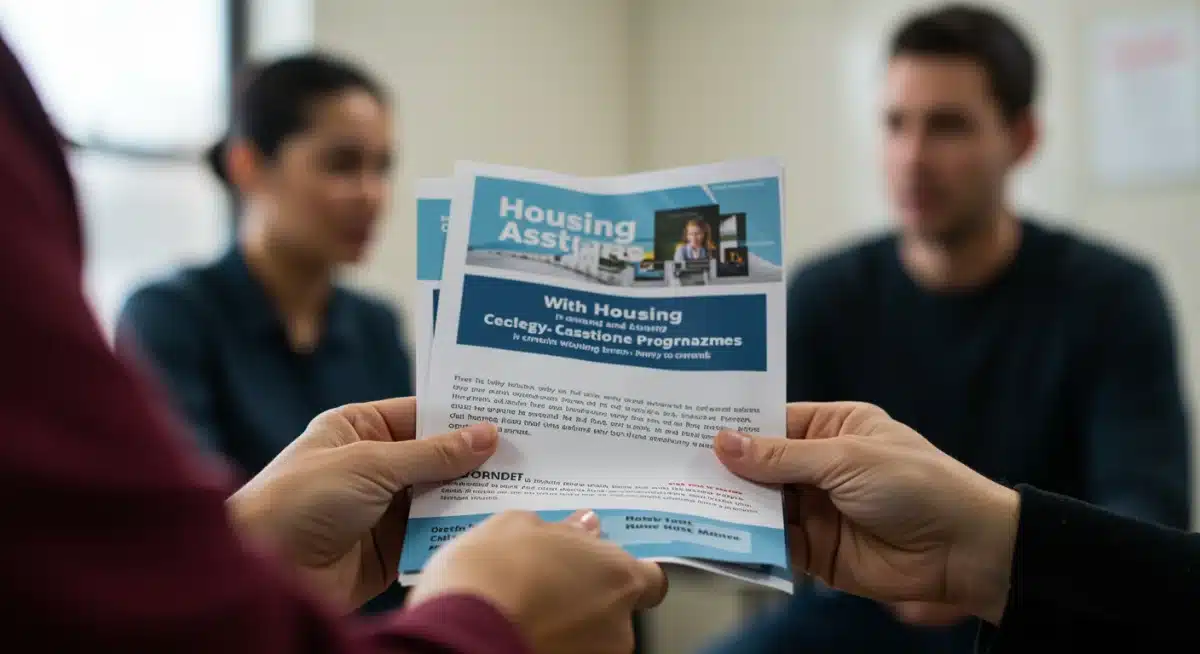

The process can be challenging and may require patience, but persistent engagement with these resources significantly increases your chances of securing emergency housing. Remember that each step brings you closer to a stable living situation.
Key Resources and Organizations Providing Support
Beyond the initial points of contact, a network of organizations and resources is dedicated to providing various forms of emergency housing support. Familiarizing yourself with these key players can help you explore all available avenues and ensure you receive comprehensive assistance tailored to your needs. This section highlights some of the most prominent resources at both the national and local levels.
These organizations often work in tandem, creating a safety net for those experiencing housing insecurity. Understanding their specific roles can help you identify which one is best suited to address your particular circumstances, whether it’s immediate shelter, long-term housing solutions, or supportive services.
National and Local Support Systems
While local organizations provide direct services, national entities often offer guidance, funding, and advocacy that shape the broader landscape of housing assistance.
- National Alliance to End Homelessness (NAEH): While not a direct service provider, NAEH offers extensive research, policy recommendations, and best practices that inform local efforts to combat homelessness. Their website can be a valuable source of information on effective strategies.
- Homeless Shelters and Transitional Housing Programs: These are the most direct forms of emergency housing. Many cities have numerous shelters, some specializing in families, women, veterans, or youth. Transitional housing programs offer a longer-term stay with supportive services aimed at helping individuals move to permanent housing.
- Domestic Violence Shelters: For those fleeing domestic violence, specialized shelters provide a safe haven, often with additional services like counseling, legal aid, and safety planning. These shelters prioritize confidentiality and security.
- Food Banks and Pantries: While not directly housing-related, food insecurity often accompanies housing instability. Local food banks can provide crucial nutritional support, alleviating one burden while you seek housing.
It is also beneficial to look into local government housing authorities. These agencies often administer programs like Section 8 vouchers (Housing Choice Vouchers) or public housing, which, while not immediate emergency solutions, are vital for long-term stable housing. Many also have emergency assistance programs for rent or utility arrears to prevent homelessness.
Connecting with these various resources creates a comprehensive support system. Don’t hesitate to reach out to multiple organizations, as each may offer a different piece of the puzzle to help you achieve stable housing.
Navigating Challenges and Advocating for Yourself
The path to securing emergency housing assistance can be fraught with challenges, from long waiting lists to complex application processes. However, understanding how to navigate these obstacles and effectively advocate for yourself is critical to achieving a positive outcome. Persistence, clear communication, and knowledge of your rights are your strongest tools.
Many individuals facing a housing crisis feel disempowered, but it’s important to remember that you have rights, and there are ways to ensure your voice is heard. Being prepared for potential setbacks and knowing how to respond can significantly improve your experience.
Strategies for Overcoming Obstacles
You may encounter various hurdles during your search for emergency housing. Here are some strategies to help you navigate them:
- Be Persistent: Don’t give up if you are initially denied or placed on a long waiting list. Follow up regularly with agencies and caseworkers. Your persistence demonstrates your urgent need and commitment.
- Keep Detailed Records: Document every interaction, including dates, times, names of people you spoke with, and what was discussed. Keep copies of all submitted applications and any correspondence. This record can be invaluable if you need to appeal a decision or clarify information.
- Seek Advocacy: If you feel your rights are being violated or you are not receiving fair consideration, seek help from legal aid organizations or homeless advocates. They can provide legal advice and support in navigating bureaucratic hurdles.
- Utilize Peer Support: Connecting with others who have experienced similar situations can provide emotional support and practical advice. Many communities have peer support groups for individuals experiencing homelessness.
It’s also important to understand that resources can be limited, and demand often outweighs supply. While this can be frustrating, it does not diminish your right to seek assistance. Continue to explore all available options, even those that might not seem ideal at first glance, as they could provide a temporary bridge to more stable housing.
By adopting a proactive and informed approach, you can better manage the difficulties inherent in seeking emergency housing. Advocating effectively for yourself ensures that you are not overlooked and that you receive the support you need.
Beyond Immediate Shelter: Pathways to Long-Term Stability
While securing immediate emergency housing is the first priority, the ultimate goal for anyone facing a housing crisis is to achieve long-term stability. This involves transitioning from temporary solutions to permanent housing and addressing the underlying factors that contributed to the housing instability in the first place. Many emergency housing programs are designed with this progression in mind, offering a continuum of care.
The journey to long-term stability often requires more than just a roof over your head; it involves addressing employment, healthcare, financial literacy, and mental well-being. Recognizing these interconnected needs is crucial for building a sustainable future.
Transitioning to Permanent Housing
Most emergency shelters and transitional housing programs aim to help residents move into permanent housing. This transition often involves several key components:
- Case Management: Dedicated case managers work with individuals and families to develop personalized housing plans, identify barriers to housing, and connect them with appropriate resources.
- Housing Search Assistance: This includes help with finding affordable rental units, understanding lease agreements, and navigating landlord relationships.
- Financial Assistance: Programs like rapid re-housing can provide short-to-medium-term rental assistance and help with security deposits and utility payments to facilitate the move into permanent housing.
- Life Skills Training: Workshops on budgeting, job searching, and tenant rights can equip individuals with the skills needed to maintain stable housing independently.
Additionally, addressing the root causes of housing instability is paramount. This might include accessing mental health services, substance abuse treatment, employment training, or legal aid. Many organizations offer integrated services that combine housing support with these essential wrap-around services, ensuring a holistic approach to stability.
Building a support network, including family, friends, and community resources, also plays a significant role in maintaining long-term housing. The journey from emergency housing to permanent stability is a process, but with the right support and resources, it is an achievable goal for everyone.
Preventing Future Housing Crises and Building Resilience
Once immediate housing needs are met and pathways to long-term stability are established, the focus shifts to preventing future housing crises. Building personal and financial resilience is key to maintaining stable housing and navigating life’s inevitable challenges without falling back into homelessness. This proactive approach involves a combination of financial planning, community engagement, and strategic resource utilization.
Prevention is always more effective than crisis intervention, and many programs now emphasize strategies to help individuals and families avoid homelessness altogether. Understanding these preventative measures can empower you to create a more secure future.
Key Strategies for Prevention
Several strategies can significantly reduce the risk of future housing instability:
- Financial Literacy and Savings: Developing a budget, building an emergency savings fund, and understanding credit are foundational to financial stability. Even small savings can act as a buffer against unexpected expenses.
- Employment Stability and Skill Development: Securing stable employment and continuously developing marketable skills can increase income and job security, making it easier to afford housing and weather economic downturns.
- Community Connections: Building strong relationships with neighbors, community leaders, and support organizations creates a safety net. These connections can provide informal support, information, and advocacy when needed.
- Awareness of Tenant Rights: Understanding your rights as a tenant can help you navigate landlord-tenant issues, prevent wrongful evictions, and ensure fair treatment.
Furthermore, staying informed about available assistance programs, even when not in immediate crisis, can be beneficial. Local housing authorities and non-profit organizations often offer homelessness prevention programs that can provide short-term rental assistance, utility payment help, or mediation services to keep individuals in their homes.
By actively engaging in these preventative measures, individuals and families can build a stronger foundation for housing stability. This proactive stance not only secures your own future but also contributes to a more resilient and supportive community overall.
| Key Point | Brief Description |
|---|---|
| Contact 2-1-1 First | Connects you to local health and human services, including housing assistance and shelters. |
| Gather Documentation | Have IDs, income proof, and eviction notices ready to expedite assistance. |
| Utilize Local CoC Offices | Continuum of Care offices provide coordinated entry into various homelessness programs. |
| Plan for Long-Term | Seek case management, financial literacy, and employment support for sustainable housing. |
Frequently Asked Questions About Emergency Housing
The fastest way to find emergency housing is typically by calling 2-1-1, a national helpline that connects you to local essential services, including shelters and housing assistance programs. You can also directly contact local homeless shelters or community resource centers in your area for immediate guidance and support.
Yes, many emergency housing programs prioritize families with children. These often include family shelters, transitional housing programs designed for families, and rapid re-housing initiatives that provide rental assistance and supportive services to help families quickly secure permanent housing. Local agencies can provide specific family-focused resources.
While requirements vary, generally you will need identification for all household members, proof of income (or lack thereof), documentation of your housing crisis (e.g., eviction notice), and any relevant medical or disability records. It’s best to gather as much as possible before seeking help, but don’t let a lack of documents delay your initial outreach.
Absolutely. There are specialized domestic violence shelters and programs designed to provide safe, confidential emergency housing and supportive services for individuals and families fleeing abusive situations. These programs often offer counseling, legal aid, and safety planning in addition to shelter. Contact a local domestic violence hotline for immediate assistance.
After entering an emergency shelter, you will typically work with a case manager to assess your needs and develop a plan for finding permanent housing. This may include connecting you to resources for employment, healthcare, mental health services, and financial assistance, all aimed at helping you transition to long-term stability.
Conclusion
Navigating a housing crisis in the United States is undoubtedly challenging, but the intricate web of federal, state, and local emergency housing solutions offers vital lifelines. By understanding your immediate needs, knowing where to turn for help, and persistently advocating for yourself, you can access the necessary support to move from instability to long-term housing security. Remember that every step taken, from making that initial call to 2-1-1 to engaging with case managers and planning for prevention, contributes to building a more stable future. Help is available, and this guide serves as a beacon to illuminate your path toward regaining stability and peace of mind.