Digital Mental Health Tools 2026: Navigating Effective Apps and Platforms
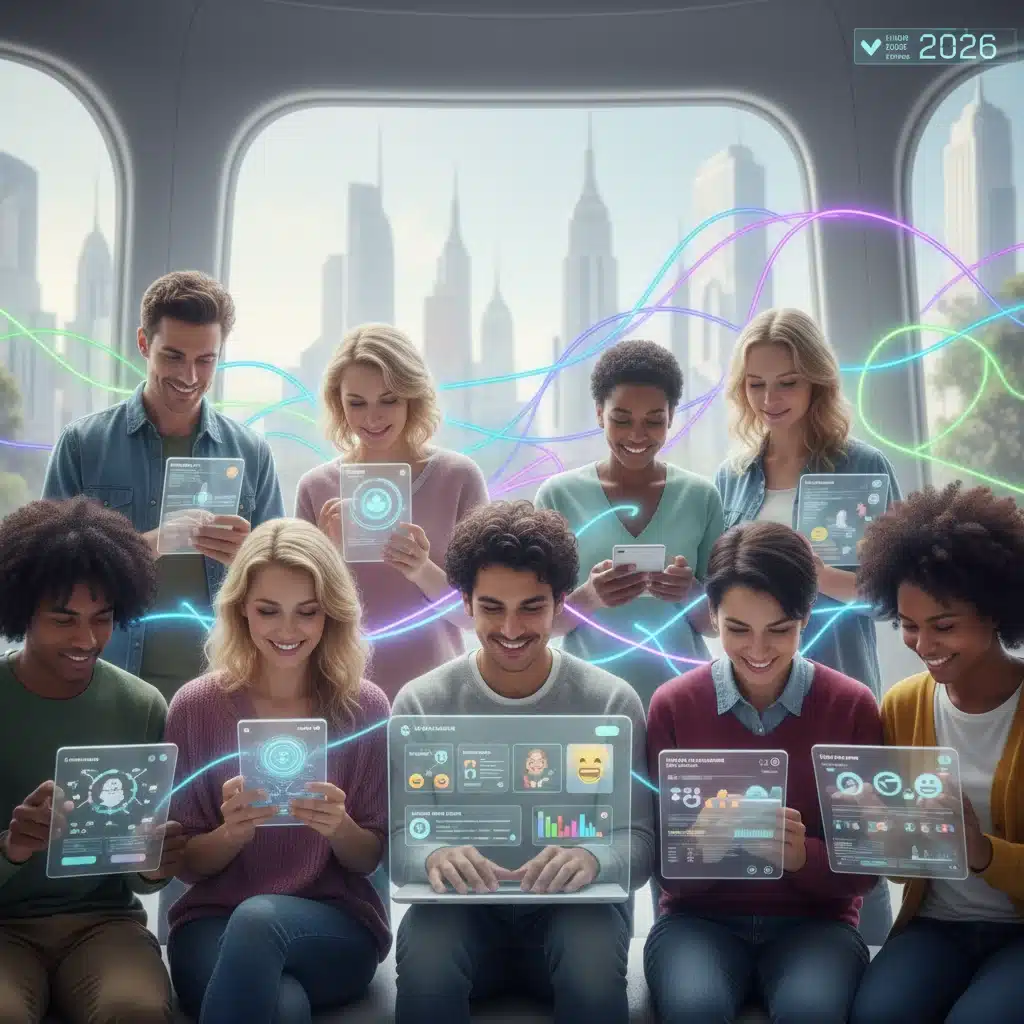
Navigating the Latest Digital Mental Health Tools: A 2026 Guide to Effective Apps and Platforms
The landscape of mental health support has undergone a profound transformation, with technology playing an increasingly pivotal role. As we look towards 2026, the array of Digital Mental Health Tools available is more sophisticated, personalized, and accessible than ever before. From AI-powered therapy companions to immersive virtual reality experiences, these innovations are reshaping how individuals manage their well-being, seek support, and improve their overall mental health. This comprehensive guide aims to illuminate the most effective apps and platforms, offering practical solutions for anyone looking to leverage technology for a healthier mind.
The rapid advancement in digital technology, coupled with a growing global awareness of mental health issues, has fueled an explosion in the development of these tools. What was once considered niche is now mainstream, with millions worldwide integrating digital solutions into their daily routines. But with such a vast and varied market, how does one discern genuinely effective Digital Mental Health Tools from those that offer little more than superficial engagement? This article will delve into the key trends, highlight leading platforms, discuss the benefits and challenges, and provide a roadmap for choosing the right digital support for your needs.
Our journey through the world of Digital Mental Health Tools in 2026 will start by understanding the foundational shifts that have brought us to this point. We’ll explore how these tools are democratizing access to care, offering anonymity, and providing continuous support that traditional models often struggle to deliver. We’ll also address the critical considerations of data privacy, clinical efficacy, and the importance of professional oversight. By the end of this guide, you will be equipped with the knowledge to confidently navigate this dynamic field and make informed decisions about your mental health journey.
The Evolution of Digital Mental Health Tools: From Niche to Mainstream
The journey of Digital Mental Health Tools from nascent ideas to widespread adoption has been nothing short of remarkable. A decade ago, mental health apps were often rudimentary, offering basic mood tracking or generic meditation exercises. Fast forward to 2026, and we see an ecosystem brimming with highly specialized, evidence-based applications and platforms that leverage cutting-edge technology to deliver personalized care. This evolution has been driven by several factors, including advancements in artificial intelligence, machine learning, and biometric data collection, as well as a societal shift towards destigmatizing mental health discussions.
One of the most significant evolutionary leaps has been the integration of AI-powered conversational agents, often referred to as chatbots. These intelligent systems can provide initial assessments, offer psychoeducational content, guide users through cognitive behavioral therapy (CBT) exercises, and even act as a supportive presence for individuals experiencing loneliness or anxiety. The algorithms behind these chatbots have become incredibly sophisticated, capable of understanding nuanced language and providing empathetic, relevant responses. This has made AI-driven therapy a significant component of modern Digital Mental Health Tools.
Another area of immense growth is virtual reality (VR) and augmented reality (AR) for therapeutic purposes. VR environments can create immersive experiences for exposure therapy, helping individuals overcome phobias or PTSD in a controlled setting. AR apps can overlay therapeutic prompts or calming visuals onto a user’s real-world environment, transforming stressful situations into opportunities for mindfulness and relaxation. These technologies offer a level of engagement and immersion that traditional methods cannot match, making them powerful additions to the suite of available Digital Mental Health Tools.
Furthermore, the rise of wearable technology has opened new avenues for passive data collection, providing insights into sleep patterns, heart rate variability, and activity levels – all of which can be indicators of mental well-being. Integrated platforms can now synthesize this data with user-inputted mood logs and journal entries, offering a holistic view of an individual’s mental health state. This data-driven approach allows for more precise interventions and personalized recommendations, solidifying the role of sophisticated analytics in modern Digital Mental Health Tools.
The accessibility factor cannot be overstated. For many, geographical barriers, financial constraints, or the stigma associated with seeking traditional therapy have been insurmountable obstacles. Digital Mental Health Tools bypass these challenges, offering discreet, affordable, and on-demand support. This democratization of mental healthcare is perhaps the most profound impact of technological advancement in this field, ensuring that more people can access the help they need, when they need it.
Key Categories of Digital Mental Health Tools in 2026
The vast landscape of Digital Mental Health Tools can be broadly categorized into several key areas, each serving distinct needs and utilizing different technological approaches. Understanding these categories is crucial for navigating the market effectively and selecting the most appropriate tools for individual circumstances.
1. Mindfulness and Meditation Apps
Perhaps the most widely recognized category, mindfulness and meditation apps continue to be a cornerstone of digital well-being. Platforms like Calm and Headspace, which have been pioneers in this space, have evolved significantly. In 2026, these apps offer not just guided meditations but also personalized soundscapes, sleep stories, breathing exercises tailored to biometric data, and even interactive journaling prompts. They often integrate with wearables to track the physiological impact of mindfulness practices, providing users with tangible feedback on their progress. These are essential Digital Mental Health Tools for stress reduction and emotional regulation.
2. Therapy and Counseling Platforms (Telehealth)
Virtual therapy has moved beyond simple video calls to encompass fully integrated platforms offering secure messaging, virtual waiting rooms, appointment scheduling, and access to a wide network of licensed therapists. Platforms like BetterHelp and Talkspace have expanded their offerings to include group therapy sessions, specialized programs for specific conditions (e.g., CBT for anxiety, DBT for emotional dysregulation), and even AI-assisted pre-session check-ins to optimize therapeutic outcomes. The convenience and anonymity offered by these Digital Mental Health Tools make professional support more accessible than ever.
3. AI-Powered Mental Health Companions and Chatbots
This category represents some of the most innovative Digital Mental Health Tools. AI companions like Woebot or Replika in their 2026 iterations are far more advanced than their predecessors. They can engage in deep, empathetic conversations, learn from user interactions, and offer evidence-based techniques for managing stress, anxiety, and depression. While not a replacement for human therapy, these AI companions provide a valuable layer of accessible, non-judgmental support, often available 24/7. They can act as a bridge to professional care or a daily support system for maintaining mental well-being.
4. Mood Tracking and Journaling Apps
Understanding one’s emotional patterns is a fundamental step in mental health management. Modern mood tracking and journaling apps go beyond simple logging. They use machine learning to identify triggers, correlate mood with activity levels, sleep, and even weather patterns, and provide actionable insights. Apps like Daylio or MoodKit in 2026 offer sophisticated data visualization, predictive analytics, and integration with therapeutic exercises, transforming passive tracking into an active tool for self-awareness and intervention. These are crucial self-management Digital Mental Health Tools.
5. Gamified Mental Health and Cognitive Training
To make mental health support engaging, developers have increasingly turned to gamification. These apps present therapeutic exercises or cognitive training in a game-like format, making them more enjoyable and encouraging consistent engagement. Examples include apps designed to improve cognitive functions like memory and attention, or games that teach coping mechanisms for anxiety through interactive scenarios. The playful approach of these Digital Mental Health Tools can be particularly effective for younger demographics or individuals who find traditional therapy less appealing.

6. Virtual Reality (VR) and Augmented Reality (AR) Therapies
While still emerging in widespread consumer use, VR and AR are making significant strides in clinical settings and specialized apps. VR can simulate various environments for exposure therapy, help manage chronic pain through distraction, or create calming, immersive spaces for relaxation. AR apps can provide ‘in-the-moment’ support, overlaying guided breathing exercises or positive affirmations onto a user’s view of their surroundings. These immersive Digital Mental Health Tools offer unique therapeutic avenues.
7. Peer Support Networks and Communities
Beyond individual tools, digital platforms have fostered vibrant online communities where individuals can connect with peers facing similar challenges. Moderated forums, support groups, and anonymous chat services provide a sense of belonging and reduce feelings of isolation. While not direct therapeutic interventions, these community-based Digital Mental Health Tools offer invaluable social support, shared experiences, and a sense of collective understanding that complements other forms of care.
Choosing the Right Digital Mental Health Tools: A Practical Approach
With such a diverse array of Digital Mental Health Tools available, selecting the right one can feel overwhelming. A thoughtful and systematic approach is essential to ensure you choose platforms and apps that genuinely meet your needs and contribute positively to your well-being. Here’s a practical guide to making an informed decision in 2026:
1. Define Your Needs and Goals
Before diving into the app stores, take time to reflect on what you hope to achieve. Are you looking to manage stress, reduce anxiety, improve sleep, track your mood, or seek professional therapy? Do you need support for a specific condition like depression or PTSD? Clearly defining your goals will significantly narrow down your options and help you focus on the most relevant Digital Mental Health Tools.
2. Prioritize Evidence-Based Solutions
The effectiveness of Digital Mental Health Tools is paramount. Look for apps and platforms that are rooted in evidence-based therapeutic approaches like Cognitive Behavioral Therapy (CBT), Dialectical Behavior Therapy (DBT), Acceptance and Commitment Therapy (ACT), or mindfulness-based stress reduction (MBSR). Many reputable tools will clearly state their clinical foundations and, ideally, cite research supporting their efficacy. Be wary of tools that make grand promises without any scientific backing.
3. Check for Credibility and Professional Involvement
For tools offering direct therapeutic interventions or professional support, verify the credentials of the practitioners involved. Are they licensed? What are their qualifications? For AI-powered tools, investigate whether they were developed in collaboration with mental health professionals or researchers. The involvement of experts lends significant credibility to Digital Mental Health Tools.
4. Data Privacy and Security are Non-Negotiable
Your mental health data is highly sensitive. Before committing to any tool, meticulously review its privacy policy. Understand how your data is collected, stored, used, and shared. Look for strong encryption, adherence to privacy regulations (like HIPAA in the US or GDPR in Europe), and clear statements about data anonymization. If a tool’s privacy policy is vague or concerning, it’s best to look elsewhere. Secure Digital Mental Health Tools prioritize user confidentiality.
5. User Experience and Engagement
Even the most effective tool won’t help if you don’t use it consistently. Evaluate the app’s user interface – is it intuitive, easy to navigate, and aesthetically pleasing? Does it offer features that promote engagement, such as reminders, progress tracking, or personalized feedback? A positive and engaging user experience is crucial for long-term adherence to any of these Digital Mental Health Tools.
6. Cost and Accessibility
Many Digital Mental Health Tools offer freemium models, with basic features available for free and advanced features requiring a subscription. Consider your budget and whether the premium features justify the cost. Some platforms may also offer tiered pricing or financial aid. Additionally, check for compatibility with your devices and internet access requirements.
7. Read Reviews and Seek Recommendations
While not the sole factor, user reviews on app stores and independent review sites can offer valuable insights into the real-world experiences of others. Look for patterns in feedback regarding effectiveness, bugs, customer support, and overall satisfaction. Recommendations from trusted healthcare providers or mental health organizations can also be a good starting point for finding reliable Digital Mental Health Tools.
8. Start with a Trial Period
Many premium Digital Mental Health Tools offer free trial periods. Utilize these opportunities to test out the app or platform before committing financially. This allows you to assess the user experience, feature set, and overall suitability for your needs without obligation.
By following these steps, you can confidently navigate the vast landscape of Digital Mental Health Tools and find the solutions that best support your journey towards improved mental well-being in 2026.
The Promise and Perils of Digital Mental Health Tools
The advent of Digital Mental Health Tools undeniably brings immense promise, offering unprecedented accessibility and innovation in mental healthcare. However, like any powerful technology, it also comes with its own set of perils and challenges that users and providers must navigate carefully.
The Promise:
Increased Accessibility: For millions worldwide, geographical barriers, lack of specialized professionals, and financial constraints have made traditional mental health care inaccessible. Digital Mental Health Tools bridge this gap, offering support to remote communities, individuals with mobility issues, and those in underserved areas. This democratizes mental health support on a global scale.
Reduced Stigma: Seeking help for mental health challenges can still carry a significant stigma. Digital tools offer a discreet and anonymous way to engage with support, encouraging individuals who might otherwise shy away from traditional therapy to take the first step. The privacy afforded by these Digital Mental Health Tools is a huge advantage.
Personalization and Customization: Advanced algorithms and AI enable Digital Mental Health Tools to tailor interventions, exercises, and content to individual needs, preferences, and progress. This level of personalization can lead to more effective and engaging experiences, ensuring that users receive relevant support at the right time.
Continuous Support and On-Demand Access: Mental health challenges don’t adhere to office hours. Digital tools provide 24/7 access to resources, coping strategies, and even AI companions, offering immediate support during moments of distress or when traditional help is unavailable. This continuous availability is a key benefit of modern Digital Mental Health Tools.
Data-Driven Insights: By tracking mood, sleep, activity, and other biometrics, these tools can provide users and, with consent, their clinicians with valuable insights into patterns and triggers. This data can inform more precise interventions and help individuals better understand their own mental health landscape, making Digital Mental Health Tools powerful diagnostic aids.
The Perils:
Lack of Regulation and Clinical Efficacy Concerns: The rapid growth of Digital Mental Health Tools has outpaced regulatory oversight. Not all apps are created equal, and many lack robust scientific evidence to support their claims of effectiveness. Users must be diligent in seeking out evidence-based tools, as ineffective ones can lead to wasted time, money, and potentially exacerbate mental health issues.
Data Privacy and Security Risks: As highlighted earlier, the sensitive nature of mental health data makes privacy a critical concern. Breaches, misuse of data, or inadequate security measures can have severe consequences for user trust and well-being. Users must scrutinize privacy policies of all Digital Mental Health Tools they consider.
Digital Divide and Accessibility Gaps: While digital tools increase accessibility for many, they can also exacerbate the ‘digital divide’ for those without reliable internet access, smartphones, or digital literacy. This means that some vulnerable populations might be left behind, unable to benefit from these advancements.
Potential for Misinformation and Harm: Unregulated platforms or communities can become breeding grounds for misinformation or even promote harmful behaviors. Without proper moderation and clinical oversight, peer support forums, for example, could inadvertently cause distress rather than alleviate it. The quality control of content in Digital Mental Health Tools is vital.

Over-reliance and Lack of Human Connection: While convenient, an over-reliance on digital tools might sometimes diminish the importance of human connection and in-person support, which are crucial for many aspects of mental health recovery. It’s important to view Digital Mental Health Tools as complements, not replacements, for human interaction, especially in severe cases.
Ethical Considerations of AI: As AI becomes more sophisticated in mental health, ethical questions arise regarding algorithmic bias, the nature of empathetic AI, and the implications of AI making recommendations or even ‘diagnoses’. Transparency in AI’s functioning and robust ethical guidelines are essential for responsible development of these Digital Mental Health Tools.
Navigating the world of Digital Mental Health Tools in 2026 requires a balanced perspective, appreciating the immense potential while remaining vigilant about the inherent risks. By being informed and discerning, users can harness the power of technology to genuinely improve their mental well-being.
The Future of Digital Mental Health Tools: Trends to Watch Beyond 2026
The innovation in Digital Mental Health Tools is far from slowing down. As we look beyond 2026, several exciting trends are poised to further revolutionize how we approach mental well-being. These advancements promise even more integrated, personalized, and proactive forms of care, blurring the lines between technology and traditional therapeutic practices.
1. Hyper-Personalization through Advanced AI and Biometrics
Future Digital Mental Health Tools will leverage even more sophisticated AI to create hyper-personalized experiences. This will involve deeper integration with biometric data from wearables, smart homes, and even smart clothing. AI will not only track mood and sleep but also analyze voice patterns, facial micro-expressions (with consent), and even subtle physiological shifts to predict potential mental health challenges before they fully manifest. This proactive approach will allow for ‘just-in-time’ interventions, offering specific coping strategies or therapist recommendations precisely when they are most needed. The goal is to move from reactive treatment to preventative care, making these Digital Mental Health Tools truly anticipatory.
2. Seamless Integration with Mainstream Healthcare
Expect to see Digital Mental Health Tools become increasingly integrated into mainstream healthcare systems. This means tighter connections with electronic health records (EHRs), allowing mental health apps to share relevant data (with patient consent) directly with primary care physicians and specialists. This integration will foster a more holistic view of patient health, ensuring mental well-being is treated as an integral part of overall physical health. Prescriptions for mental health apps, much like medication, could become commonplace, with clinicians able to monitor engagement and progress through secure dashboards.
3. Advanced Virtual Reality (VR) and Metaverse for Therapy
While VR therapy is currently niche, its potential is immense. Beyond 2026, we’ll see more sophisticated and accessible VR platforms for therapy. Imagine a metaverse specifically designed for mental health, where individuals can engage in group therapy sessions in calming virtual environments, practice social skills in simulated scenarios, or confront anxieties through highly realistic, yet safe, exposure therapy. These immersive environments will offer unprecedented levels of engagement and therapeutic potential, transforming how we experience and deliver mental healthcare through Digital Mental Health Tools.
4. Neurofeedback and Brain-Computer Interfaces (BCIs) in Consumer Apps
Emerging technologies like neurofeedback, which allows individuals to gain control over their brain activity, and even simplified brain-computer interfaces (BCIs), could make their way into consumer-grade Digital Mental Health Tools. These tools could help users learn to regulate their emotional states, improve focus, and manage conditions like ADHD or anxiety through direct interaction with their own brainwaves. While still in early stages for consumer application, the potential for non-invasive brain training is a fascinating frontier for Digital Mental Health Tools.
5. Ethical AI and Enhanced Transparency
As AI becomes more integral to mental health support, there will be a growing emphasis on ethical AI development. Future Digital Mental Health Tools will feature greater transparency in their algorithms, allowing users and clinicians to understand how recommendations are made. Robust ethical frameworks will govern data usage, bias detection, and the boundaries of AI’s role in mental health, ensuring that technology serves humanity responsibly. This focus on ethical design will be crucial for public trust and widespread adoption of advanced Digital Mental Health Tools.
6. Global Collaboration and Culturally Sensitive Tools
The global nature of mental health challenges will drive more international collaboration in the development of Digital Mental Health Tools. This will lead to apps and platforms that are not only multilingual but also culturally sensitive, taking into account diverse cultural norms, beliefs, and approaches to mental well-being. Localization and cultural adaptation will be key to ensuring these tools are effective and resonant across different populations.
The future of Digital Mental Health Tools is one of profound promise, offering a vision of mental healthcare that is more accessible, personalized, preventative, and deeply integrated into our daily lives. As these trends evolve, the focus will remain on harnessing technology to foster greater well-being and resilience for everyone.
Conclusion: Embracing the Future of Mental Well-being with Digital Mental Health Tools
The journey through the evolving landscape of Digital Mental Health Tools in 2026 reveals a field brimming with innovation, accessibility, and transformative potential. From the foundational mindfulness apps to the cutting-edge AI companions and immersive VR therapies, technology has undeniably reshaped the way we approach and manage our mental well-being. These tools are breaking down barriers, offering discreet support, and providing personalized interventions that were once unimaginable.
We’ve explored the diverse categories of these tools, each designed to address specific needs, whether it’s managing daily stress, seeking professional therapy, understanding mood patterns, or engaging in cognitive training. The practical guide for choosing the right tools emphasized the importance of defining your needs, prioritizing evidence-based solutions, ensuring data privacy, and evaluating user experience. These steps are crucial for making informed decisions in a rapidly expanding market.
However, it’s equally important to approach Digital Mental Health Tools with a balanced perspective. While the promises of increased accessibility, reduced stigma, and personalized care are compelling, we must also be vigilant about the perils. Concerns regarding regulation, clinical efficacy, data security, and the potential for over-reliance on technology underscore the need for continuous scrutiny and responsible development. The digital divide and ethical considerations surrounding AI also highlight areas where further work and thoughtful policy are required to ensure equitable and safe access for all.
Looking beyond 2026, the future of Digital Mental Health Tools promises even greater integration, hyper-personalization, and proactive care, driven by advanced AI, seamless healthcare integration, and immersive technologies like the metaverse. These trends point towards a future where mental well-being is not just treated reactively but is proactively nurtured and supported as an integral part of our daily lives.
Ultimately, Digital Mental Health Tools are powerful allies in the pursuit of better mental health. They are not a panacea, nor are they intended to replace human connection or professional care in all circumstances. Instead, they serve as invaluable complements, extending the reach of support, empowering individuals with self-management strategies, and fostering a more resilient and mentally healthy global community. By embracing these tools wisely and with discernment, we can collectively navigate the complexities of modern life and cultivate a future where mental well-being is within reach for everyone.
The continuous evolution of these digital solutions signifies a profound commitment to mental health, transforming it from an often-overlooked aspect of well-being into a central focus supported by the very best of technological innovation. As users, our role is to remain informed, engaged, and advocate for tools that are not only effective but also ethical and secure, ensuring that the promise of Digital Mental Health Tools is fully realized for years to come.