Telehealth vs In-Person Therapy: Efficacy & Access in 2026

Comparing Telehealth vs. In-Person Therapy: A 2026 Analysis of Efficacy and Access
The landscape of mental health care has undergone a profound transformation in recent years, largely propelled by technological advancements and shifting societal needs. As we navigate 2026, the discussion around telehealth vs in-person therapy continues to evolve, prompting individuals, practitioners, and policymakers to critically evaluate their respective merits and challenges. This comprehensive analysis aims to dissect the current state of both modalities, offering insights into their efficacy, accessibility, cost implications, and overall impact on mental well-being.
For decades, the traditional image of therapy involved a patient reclining on a couch in a therapist’s office, engaging in face-to-face dialogue. While this model remains a cornerstone of mental health treatment, the advent of telehealth has introduced an equally viable, and for many, a preferable alternative. Telehealth therapy, encompassing video conferencing, phone calls, and even text-based communication, has democratized access to mental health support, breaking down geographical barriers and offering unprecedented flexibility. However, with this expanded access comes a crucial need to understand how these two approaches compare in terms of therapeutic outcomes and patient experience.
Our 2026 analysis will delve into several key areas, drawing upon recent research, expert opinions, and patient testimonials to provide a balanced perspective. We will explore the efficacy of telehealth in treating various mental health conditions, compare the level of connection and rapport built in virtual versus physical settings, examine the financial aspects for both patients and providers, and project future trends in mental health service delivery. The goal is not to declare one method superior, but rather to illuminate the circumstances under which each approach might be most beneficial, empowering individuals to make informed decisions about their mental health journey.
The Evolution of Telehealth in Mental Health Care
Telehealth, once a niche offering, has exploded into the mainstream, particularly accelerated by global events in the early 2020s. Its rapid adoption has necessitated a swift adaptation from both the professional community and regulatory bodies. In 2026, telehealth is no longer an emergency measure but a well-integrated component of the mental health ecosystem. This evolution has been marked by significant advancements in secure communication platforms, improved digital literacy among the general population, and a growing acceptance of virtual interactions as legitimate forms of professional engagement.
Initially, concerns lingered about the ability of virtual platforms to replicate the intimacy and non-verbal cues crucial for effective therapy. However, extensive research over the past few years has largely assuaged these fears. Studies consistently show that for many conditions, the efficacy of telehealth therapy efficacy is comparable to that of in-person sessions. This parity in outcomes has been a game-changer, shifting the conversation from ‘if’ telehealth works to ‘how’ it works best.
Moreover, the technological infrastructure supporting telehealth has become increasingly robust. High-definition video, stable internet connections, and sophisticated encryption protocols ensure privacy and a smooth therapeutic experience. These improvements have not only enhanced the quality of virtual sessions but have also broadened the scope of conditions that can be effectively treated remotely. From anxiety disorders and depression to PTSD and relationship issues, a wide spectrum of mental health challenges are now routinely addressed through telehealth platforms.
The regulatory environment has also matured. Governments and professional organizations have developed clearer guidelines for online practice, including licensing requirements, ethical standards, and reimbursement policies. This standardization has instilled greater confidence among both providers and patients, fostering a more stable and trustworthy telehealth landscape. As we look at telehealth vs in-person therapy 2026, it’s clear that telehealth has firmly established its place as a legitimate and powerful tool in mental health care.
Efficacy: Does Virtual Therapy Deliver the Same Results?
One of the most critical questions in the telehealth vs in-person therapy efficacy debate revolves around therapeutic outcomes. Do patients achieve similar levels of improvement and symptom reduction through virtual sessions as they do in a traditional office setting? A substantial body of research from the past few years, including meta-analyses and systematic reviews, provides compelling evidence that for many common mental health conditions, the answer is a resounding yes.
Comparable Outcomes for Common Conditions
Studies have repeatedly demonstrated that telehealth therapy is as effective as in-person therapy for treating conditions such as depression, anxiety disorders (including generalized anxiety disorder, social anxiety, and panic disorder), and post-traumatic stress disorder (PTSD). Cognitive Behavioral Therapy (CBT), a widely used and evidence-based therapeutic approach, has been particularly well-adapted to the online format, showing strong results. Dialectical Behavior Therapy (DBT) and psychodynamic therapies have also found success in virtual settings.
The mechanisms of change in therapy – building rapport, developing coping strategies, processing emotions, and gaining insight – do not appear to be inherently diminished by the virtual medium. Skilled therapists can adapt their techniques to the online environment, utilizing screen sharing, digital whiteboards, and other tools to facilitate the therapeutic process. The core elements of a strong therapeutic alliance, such as empathy, trust, and understanding, can be fostered effectively through video conferencing, even if the initial interaction differs slightly from a face-to-face meeting.
Factors Influencing Efficacy
While overall efficacy is comparable, certain factors can influence the effectiveness of telehealth. Patient characteristics play a role; individuals who are comfortable with technology and have a conducive home environment (private, quiet space) may experience smoother transitions to online therapy. Conversely, those with severe mental illnesses requiring intensive crisis intervention or complex diagnostic assessments might benefit more from the immediate, in-person support and observation that a physical setting can provide. However, even for these cases, hybrid models are emerging, combining the best of both worlds.
Therapist experience and training in telehealth also contribute significantly to efficacy. Therapists who have received specific training in delivering virtual care are often better equipped to manage the nuances of online interactions, such as maintaining eye contact through the camera, addressing potential technical glitches, and interpreting non-verbal cues through a screen. As the field matures, more therapists are gaining this specialized training, further solidifying the efficacy of telehealth.
Accessibility: Breaking Down Barriers to Care
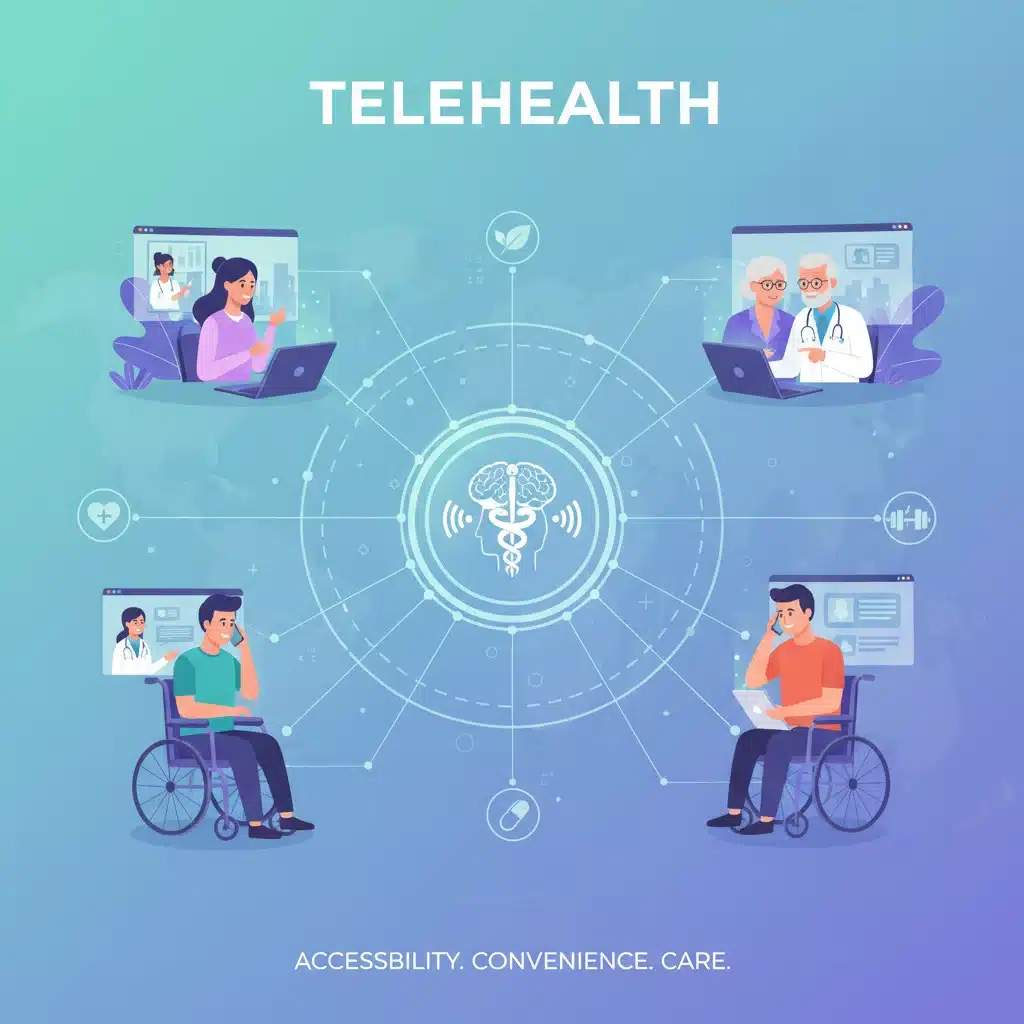
The most undeniable advantage of telehealth therapy lies in its unparalleled ability to enhance accessibility. For millions, traditional in-person therapy presents insurmountable barriers. Telehealth effectively dismantles many of these obstacles, making mental health support available to a much wider demographic.
Geographical Barriers
Rural areas often suffer from a severe shortage of mental health professionals. Residents in these regions may have to travel long distances, taking significant time off work or childcare, to access therapy. Telehealth eliminates the need for travel, bringing expert care directly into their homes, regardless of their location. This is particularly impactful for specialized therapies that might only be available in major urban centers.
Time Constraints and Convenience
Modern life is busy. Commuting to and from a therapist’s office, finding parking, and waiting room times can add significant stress and time to a therapy appointment. Telehealth offers unparalleled convenience, allowing individuals to schedule sessions during lunch breaks, before or after work, or at other times that seamlessly integrate into their daily routines. This flexibility reduces the likelihood of missed appointments and fosters greater consistency in treatment.
Physical Limitations and Stigma
For individuals with physical disabilities, chronic illnesses, or mobility issues, attending in-person appointments can be challenging or even impossible. Telehealth provides a lifeline, ensuring they can access necessary mental health support without facing additional physical hurdles. Furthermore, the privacy of receiving therapy from one’s own home can reduce the perceived stigma associated with seeking mental health care. For some, the anonymity and comfort of their personal space make them more willing to engage in therapy than they would be in a public office setting.
Specialized Care Access
Telehealth also expands access to specialized care. If a patient requires a therapist with expertise in a very specific area (e.g., eating disorders, specific phobias, or cultural competency), their local options might be limited. Telehealth allows them to connect with specialists across state lines (within licensing regulations) or even internationally, significantly broadening their choices and ensuring they receive the most appropriate care for their needs. This expanded reach is a critical component when considering telehealth vs in-person therapy access.
Cost Implications: A Financial Perspective
The financial aspect is a significant consideration for many when choosing between telehealth vs in-person therapy cost. While the sticker price for a session might be similar, the overall cost of therapy extends beyond the therapist’s fee.
Direct Session Costs
In 2026, the direct cost per session for telehealth and in-person therapy can vary widely based on location, therapist’s experience, and specialty. However, many insurance providers now offer comparable coverage for both modalities, a significant shift from a few years ago. The parity in reimbursement has been a crucial factor in the widespread adoption of telehealth. Some online platforms may offer subscription models or tiered pricing, which can sometimes be more affordable than traditional private practice rates, especially for those without insurance.
Indirect Costs and Savings
The true cost savings with telehealth often come from the elimination of indirect expenses. These include:
- Travel Costs: Fuel, public transport fares, and parking fees can accumulate over time, especially for weekly sessions.
- Time Off Work: For hourly wage earners, taking time off for appointments can result in lost income. Telehealth’s flexibility can minimize this.
- Childcare Costs: Parents often need to arrange and pay for childcare during therapy appointments, an expense that is often unnecessary with telehealth.
These indirect savings can make telehealth a significantly more affordable option for many individuals, even if the per-session fee is identical to in-person therapy. For providers, telehealth can also reduce overhead costs associated with maintaining a physical office space, potentially allowing them to offer more competitive rates or expand their client base.
Investment in Technology
It’s important to acknowledge that telehealth requires a stable internet connection and a suitable device (computer, tablet, smartphone). While most people in 2026 already possess these, it’s a factor to consider. Additionally, ensuring a private and quiet space for sessions at home is crucial, which might not always be feasible for everyone and could be considered an indirect ‘cost’ in terms of lifestyle adjustment.
The Therapeutic Alliance: Building Connection Virtually
The therapeutic alliance – the bond of trust and collaboration between a client and therapist – is widely recognized as one of the most powerful predictors of successful therapeutic outcomes. A common concern regarding telehealth has been its ability to foster this crucial connection. However, contemporary research and clinical experience suggest that a strong therapeutic alliance can indeed be built and maintained in a virtual environment.
Adapting to the Virtual Space
While the initial interactions in telehealth might feel different from in-person meetings, skilled therapists have adapted their techniques to cultivate rapport. They pay close attention to verbal cues, tone of voice, and visible non-verbal communication through the screen. Active listening, empathy, and validation remain central to the process, regardless of the medium. Many clients report feeling equally connected to their therapists in virtual settings, sometimes even more so due to the comfort and familiarity of their own home environment.
Benefits of Home Environment
For some, being in their own familiar surroundings can reduce initial anxiety and make them feel more open and comfortable sharing personal details. The absence of a clinical office setting can create a more relaxed atmosphere, which can be conducive to deeper self-exploration. Therapists can also gain unique insights by observing a client in their natural environment, even if it’s just a glimpse of their background or occasional interaction with a pet.
Challenges and Considerations
Despite its successes, building a therapeutic alliance via telehealth can present unique challenges. Technical glitches, such as frozen screens or audio delays, can disrupt the flow of a session and momentarily break the connection. Therapists might also find it slightly more challenging to pick up on subtle non-verbal cues that are easily discernible in person, such as fidgeting, changes in posture, or micro-expressions. For clients who thrive on direct physical presence or struggle with technology, in-person therapy might be more suitable for fostering that initial bond.
Ultimately, the ability to form a strong therapeutic alliance depends more on the therapist’s skill, the client’s openness, and the quality of the interaction, rather than solely on the medium. Many individuals find that after an initial adjustment period, the virtual connection feels just as genuine and impactful as an in-person one. This is a key aspect to consider when evaluating telehealth vs in-person therapy alliance.
Patient Satisfaction and Preference
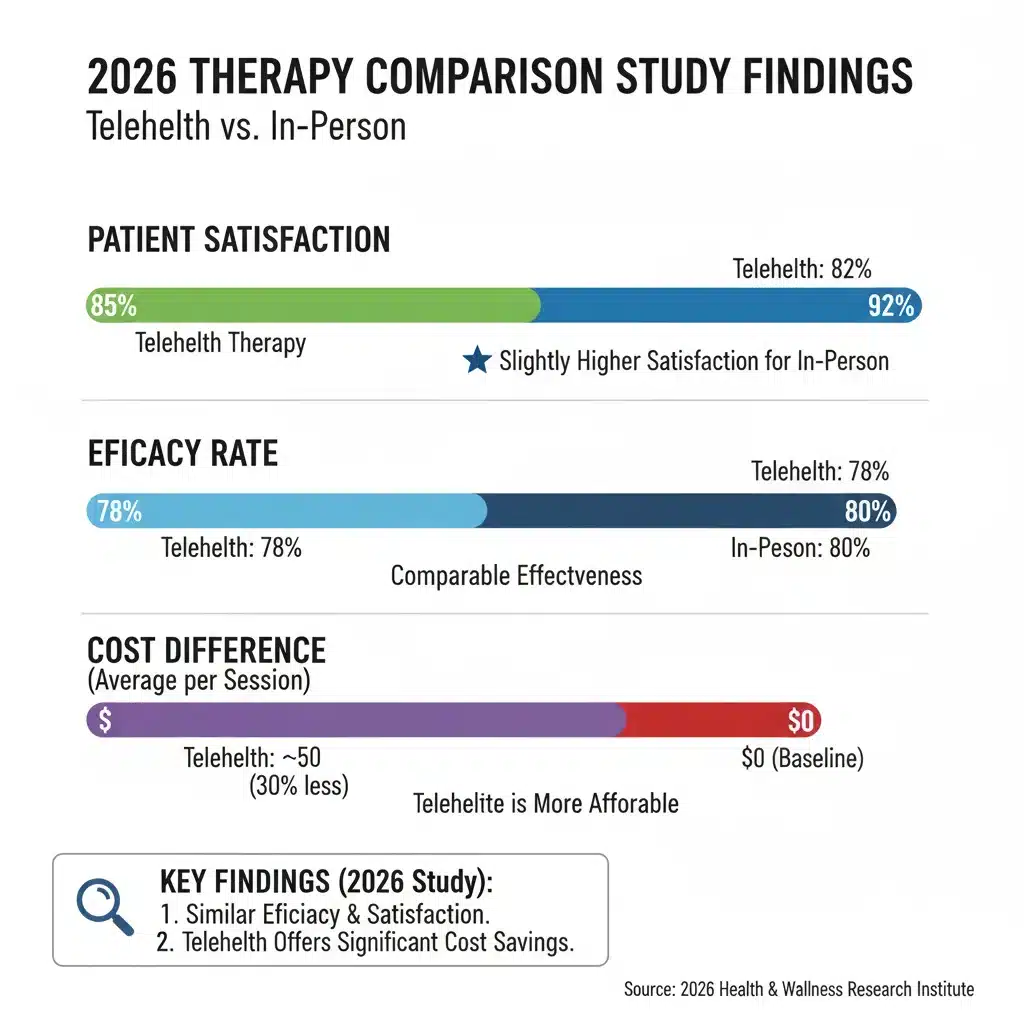
Beyond efficacy and accessibility, patient satisfaction and preference play a significant role in the choice between telehealth vs in-person therapy satisfaction. In 2026, patient feedback indicates a growing appreciation for the flexibility and convenience offered by telehealth, though a segment of the population still values the traditional in-person experience.
High Satisfaction with Telehealth
Surveys and qualitative studies consistently report high levels of patient satisfaction with telehealth services. The convenience of attending sessions from home, saving travel time, and fitting therapy into busy schedules are frequently cited as major benefits. Many clients appreciate the increased privacy and the feeling of safety that their home environment provides, which can make them more comfortable opening up. The availability of a wider pool of therapists, allowing clients to find a better therapeutic match, also contributes to higher satisfaction.
Preference for In-Person for Specific Needs
Despite the widespread acceptance of telehealth, a significant portion of individuals still express a preference for in-person therapy, particularly for certain types of issues or personal inclinations. Some clients feel that the physical presence of a therapist fosters a deeper sense of connection and allows for a more natural flow of conversation. For those dealing with severe trauma, crisis situations, or complex family dynamics, the immediate, non-verbal cues and the contained environment of an office can feel more supportive and secure.
Furthermore, individuals who struggle with maintaining boundaries at home, have unreliable internet access, or live in chaotic environments might find a dedicated, neutral office space more conducive to therapeutic work. For these individuals, the structured setting of in-person therapy offers a much-needed sanctuary and focus.
Hybrid Models on the Rise
Recognizing these diverse preferences, hybrid models of care are becoming increasingly popular. These models allow clients to alternate between telehealth and in-person sessions based on their needs, the therapeutic phase, or personal preference. For example, initial sessions might be in-person to establish rapport, followed by remote sessions for ongoing maintenance, or vice versa. This flexible approach allows for a personalized treatment plan that maximizes both convenience and therapeutic effectiveness, embodying the best of both telehealth vs in-person therapy worlds.
Challenges and Limitations
While both telehealth and in-person therapy offer significant benefits, it’s crucial to acknowledge their respective challenges and limitations. Understanding these can help individuals make a more informed decision about the best mode of care for their specific circumstances.
Challenges of Telehealth Therapy
- Technological Barriers: Not everyone has access to reliable internet, suitable devices, or the technical literacy required for smooth virtual sessions. Technical glitches can disrupt therapy and cause frustration.
- Privacy and Confidentiality: While platforms are secure, ensuring a private space at home can be challenging, especially for those living with family or in shared accommodations.
- Non-Verbal Cues: Some subtle non-verbal cues can be harder to interpret through a screen, potentially leading to misinterpretations or missed opportunities for deeper exploration.
- Crisis Management: In cases of acute crisis or severe mental health episodes, the immediate physical presence and intervention capabilities of an in-person therapist can be critical.
- Licensing Across States: While improving, therapist licensing across state lines can still be a complex issue, limiting options for some clients.
Challenges of In-Person Therapy
- Accessibility: Geographical limitations, lack of local specialists, and transportation issues can be significant barriers.
- Time and Convenience: Commuting, parking, and fitting appointments into rigid schedules can be inconvenient and time-consuming.
- Stigma: The act of physically going to a therapist’s office can carry a perceived stigma for some individuals, making them hesitant to seek help.
- Cost: Indirect costs such as travel and childcare can add significantly to the overall expense.
- Environmental Factors: The office environment might not be comfortable for all clients, and some may prefer the familiarity of their own space.
A balanced perspective on telehealth vs in-person therapy challenges is essential for setting realistic expectations and choosing the most appropriate path to mental wellness.
Future Trends in Mental Health Service Delivery
Looking ahead to the remainder of 2026 and beyond, several key trends are likely to shape the future of mental health service delivery, further blurring the lines between traditional and virtual care.
Integration of AI and Digital Tools
Artificial intelligence and other digital tools are increasingly being integrated into both telehealth and in-person therapy. This includes AI-powered chatbots for initial screening and support, mood tracking apps, virtual reality (VR) for exposure therapy, and biofeedback devices. These tools can augment therapeutic processes, provide support between sessions, and offer personalized insights, enhancing overall treatment effectiveness.
Hybrid Care Models as the Norm
The distinction between solely virtual and solely in-person therapy will likely diminish, with hybrid models becoming the standard. Patients will have the flexibility to choose the modality that best suits their needs at any given time, allowing for a more dynamic and personalized treatment journey. This flexibility will empower individuals to optimize their mental health care based on their evolving circumstances and preferences.
Increased Focus on Measurement-Based Care
Both telehealth and in-person therapy will increasingly rely on measurement-based care, using standardized assessments and data to track client progress and tailor interventions. Digital platforms facilitate this by easily integrating assessment tools and providing data visualization for therapists and clients. This data-driven approach will lead to more effective and efficient treatment.
Wider Acceptance and Decresed Stigma
As telehealth becomes more normalized and integrated, the stigma associated with seeking mental health care, in general, is expected to continue to decrease. The ease of access and the discreet nature of virtual sessions will encourage more people to seek help earlier, leading to better preventative care and improved long-term outcomes for mental health. The widespread discussion of future of therapy will undoubtedly center on these evolving modalities.
Making an Informed Choice: Which is Right for You?
Deciding between telehealth vs in-person therapy is a personal decision, and there is no universal ‘best’ option. The ideal choice depends on a variety of individual factors, including your specific mental health needs, personal preferences, lifestyle, and practical considerations.
Consider Your Needs
- Severity of Condition: For severe conditions requiring close monitoring or crisis intervention, in-person therapy might be more appropriate. For mild to moderate conditions, telehealth is often highly effective.
- Comfort with Technology: If you are comfortable with video calls and have a reliable internet connection, telehealth is a viable option. If not, in-person might be less stressful.
- Privacy at Home: Do you have a private, quiet space where you can speak openly without interruption? If not, an office setting might be more conducive.
- Need for Physical Presence: Some individuals simply find comfort and connection in the physical presence of another person. Reflect on whether this is important for your therapeutic process.
Evaluate Practicalities
- Location and Travel: If you live in a rural area, have limited transportation, or face long commutes, telehealth offers significant advantages.
- Schedule Flexibility: If your schedule is unpredictable or very busy, telehealth can provide the flexibility needed to maintain consistent appointments.
- Cost: Consider not just the session fee, but also indirect costs like travel, parking, and childcare.
- Therapist Availability: Telehealth can open up access to a wider range of therapists, including specialists, who might not be available locally.
Consult with a Professional
The best approach is often to consult with a mental health professional who can help you assess your needs and discuss the suitability of both modalities. Many therapists offer initial consultations where you can explore these options. It’s also perfectly acceptable to try one modality and switch to the other if it doesn’t feel like the right fit. The goal is to find the environment and approach that best supports your mental health journey.
Conclusion
In 2026, the discussion around telehealth vs in-person therapy is less about choosing a winner and more about understanding the strengths and applications of each. Both modalities have proven their value, offering effective pathways to mental wellness. Telehealth has dramatically expanded access, providing convenience and flexibility that were once unimaginable, while in-person therapy continues to offer a unique sense of presence and a contained therapeutic environment that some individuals find essential.
The future of mental health care is likely to be characterized by integration and personalization, with hybrid models becoming increasingly prevalent. As technology continues to evolve and societal acceptance grows, individuals will have more options than ever before to access the support they need. The most effective therapy is ultimately the one that a client can consistently engage with, feels comfortable in, and that leads to positive, lasting change. By carefully considering the efficacy, accessibility, cost, and personal preferences associated with both telehealth and in-person therapy, individuals can make empowered choices that prioritize their mental health and well-being in this dynamic era of care.