Mastering 2026 Community Grant Applications: A 5-Step Practical Guide for US Nonprofits
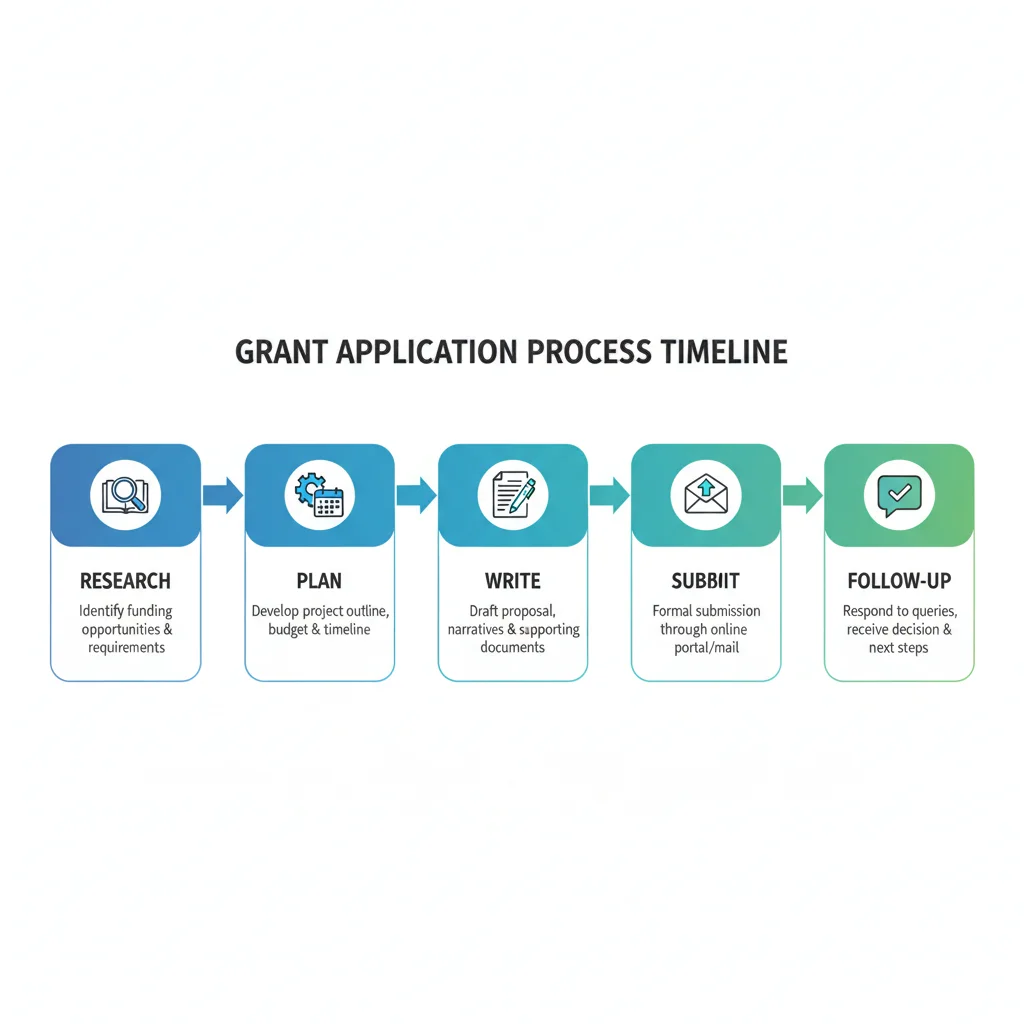
The philanthropic landscape is ever-evolving, and for US nonprofits, securing vital funding through community grant applications remains a cornerstone of sustainability and impact. As we look towards 2026, the competition for these crucial resources will only intensify, demanding a more strategic, meticulous, and compelling approach. This comprehensive guide is designed to equip your organization with a robust 5-step practical solution to navigate the intricacies of community grant applications, ensuring your mission not only survives but thrives.
Many nonprofits, despite their invaluable work, struggle with the grant application process. The common pitfalls include rushed submissions, a lack of alignment with funder priorities, inadequate data to support claims, and a failure to articulate their unique value proposition effectively. Our 5-step framework addresses these challenges head-on, transforming the daunting task of grant seeking into a manageable and highly effective endeavor.
This article will delve deep into each step, providing actionable insights, best practices, and expert tips to maximize your chances of success. From initial strategy development to post-submission follow-up, every phase is critical. By adopting this structured approach, your nonprofit can elevate its grant-seeking efforts, secure more funding, and ultimately, amplify its positive impact on the communities it serves.
Understanding the 2026 Grant Landscape: What’s New?
Before diving into the practical steps, it’s crucial to understand the prevailing trends and shifts influencing community grant applications for 2026. Funders are increasingly prioritizing certain areas and approaches, and being aware of these can significantly shape your strategy. Key trends include:
- Increased Emphasis on DEI (Diversity, Equity, and Inclusion): Grantmakers are more actively seeking organizations that demonstrate a strong commitment to DEI principles in their leadership, staff, programs, and beneficiaries.
- Data-Driven Impact: The demand for quantifiable evidence of impact continues to grow. Nonprofits must be prepared to present robust data, metrics, and evaluation plans to demonstrate their effectiveness.
- Collaborative Initiatives: Funders often favor projects that involve partnerships and collaborations with other organizations, seeing this as a way to maximize resources and achieve broader community impact.
- Technological Integration: Projects leveraging technology for improved service delivery, outreach, or data collection are often viewed favorably.
- Sustainability and Resilience: Especially in the wake of global challenges, funders are looking for organizations with strong financial health and sustainable program models.
- Community Voice and Engagement: Grant applications that clearly demonstrate how community members are involved in program design, implementation, and evaluation are becoming more competitive.
Keeping these trends in mind will allow you to tailor your community grant applications to resonate more deeply with funder priorities, setting the stage for greater success.
Step 1: Strategic Planning and Prospect Research
The foundation of any successful grant application lies in thorough strategic planning and meticulous prospect research. This isn’t just about finding grants; it’s about finding the *right* grants that align perfectly with your organization’s mission, programs, and capacity.
Define Your Funding Needs and Project Goals
Before you even begin looking for grants, clearly articulate what you need funding for. What specific project or program requires support? What are its objectives, anticipated outcomes, and budget? Having a well-defined project plan will make it easier to identify suitable funding opportunities and articulate your needs effectively in future community grant applications.
- Specific Project/Program: Outline the problem your project addresses, its target population, and the proposed activities.
- Measurable Goals and Outcomes: What do you hope to achieve? How will you measure success?
- Detailed Budget: Create a realistic budget that accounts for all project expenses, including personnel, materials, overhead, and evaluation costs.
Identify Potential Funders
Prospect research is an art and a science. It involves identifying foundations, corporations, and government agencies whose funding priorities align with your organization’s mission and specific project needs. Utilize a variety of resources:
- Online Databases: Services like Foundation Directory Online, GrantStation, and Philanthropy News Digest are invaluable tools for finding potential funders.
- Local Community Foundations: These are excellent sources for community grant applications, as their mission is specifically to support local initiatives.
- Government Websites: Grants.gov for federal grants, and state/local government websites for regional opportunities.
- Networking: Attend conferences, workshops, and local nonprofit gatherings to connect with other organizations and learn about funding sources they utilize.
- Annual Reports of Other Nonprofits: See who is funding similar organizations in your field.
When researching, look beyond the surface. Delve into a funder’s past giving history, their mission statement, and any specific initiatives they are currently supporting. A strong match between your project and the funder’s priorities is paramount for successful community grant applications.
Build Relationships (When Possible)
If feasible, try to establish a preliminary relationship with potential funders. This could involve attending an informational webinar, sending a brief letter of inquiry (LOI), or even a direct email if the funder encourages it. A pre-existing relationship, even a nascent one, can provide valuable insights and make your full application stand out.
Step 2: Meticulous Preparation and Documentation
Once you’ve identified promising opportunities, the next step involves meticulous preparation. This phase is about gathering all necessary documentation, understanding the grant guidelines thoroughly, and setting up an internal system for managing the application process. Disorganization at this stage can lead to costly errors and missed deadlines.
Deconstruct the Request for Proposal (RFP)
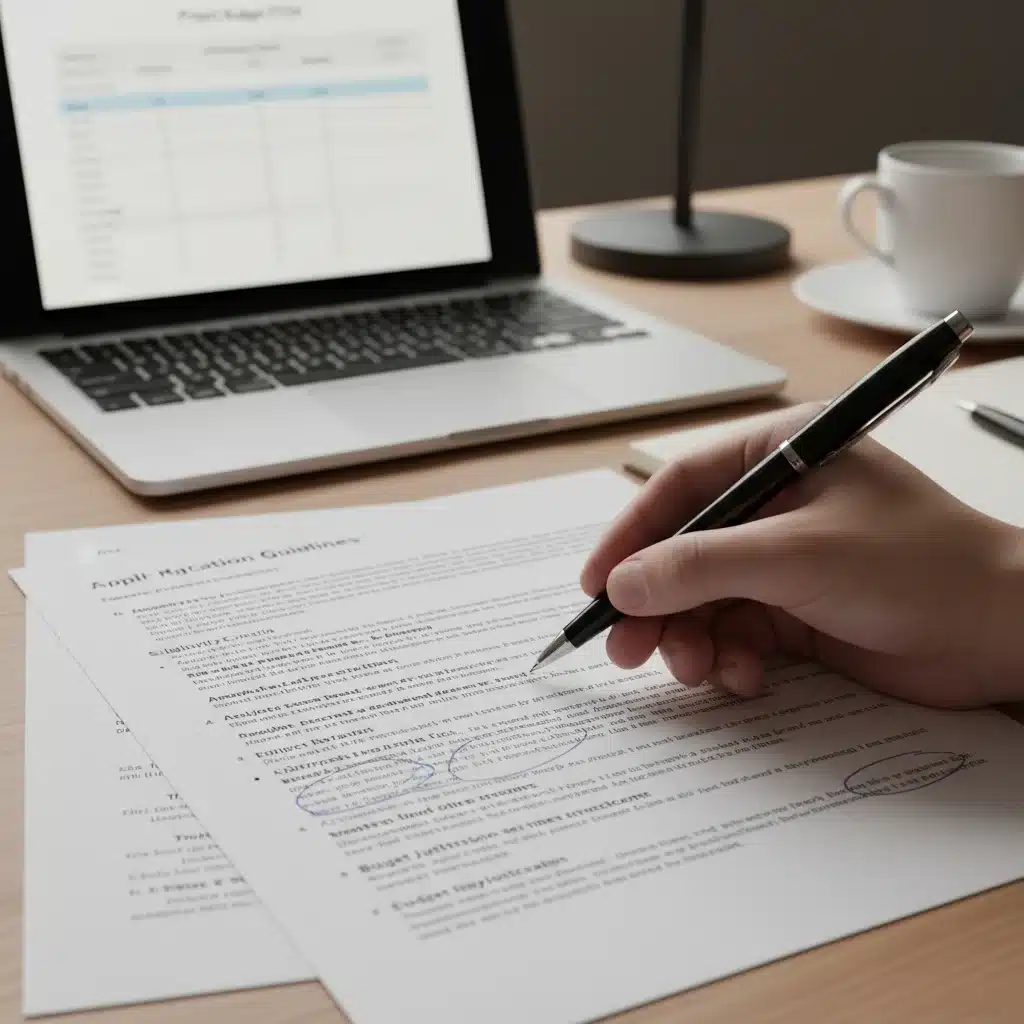
Every grant application comes with a set of guidelines, often referred to as an RFP or application instructions. Read these documents carefully, multiple times. Highlight key requirements, page limits, required attachments, and formatting specifications. Create a checklist based on the RFP to ensure nothing is overlooked. Pay close attention to:
- Eligibility Criteria: Does your organization meet all the requirements (e.g., 501(c)(3) status, geographic focus, type of service)?
- Funding Priorities: What specific areas or types of projects does the funder wish to support?
- Application Components: List every single document and section required.
- Submission Method and Deadline: Note the exact date and time, and the preferred submission platform (online portal, email, mail).
Gather Supporting Documents
Most community grant applications require a standard set of supporting documents. Having these readily available and updated will save significant time and stress. Common requirements include:
- IRS 501(c)(3) determination letter
- Most recent audited financial statements or IRS Form 990
- Annual budget (current and projected)
- Board of Directors list with affiliations
- Organizational mission statement and history
- Resumes or bios of key staff involved in the project
- Letters of support or commitment from partners
- Program evaluations or success stories
- Logic model or theory of change for the project
Organize these documents in a dedicated folder (digital and/or physical) that is easily accessible to your grant writing team.
Establish an Internal Management System
For larger organizations or those applying for multiple grants, an internal system is essential. This could be a simple spreadsheet or a more sophisticated grant management software. Key elements to track include:
- Funder name and contact information
- Grant program title
- Application deadline
- Required documents and narrative sections
- Assigned team members and their deadlines
- Submission status
- Outcome of the application
This system ensures accountability and helps manage the workflow efficiently, especially when juggling multiple community grant applications.
Step 3: Crafting a Compelling Narrative
This is where your organization’s story comes to life. A compelling narrative is not just about stating facts; it’s about weaving a powerful story that resonates with the funder, demonstrating your organization’s unique value and the profound impact it makes. This is arguably the most critical step in securing community grant applications.
Storytelling with Data
While data is essential, it’s the narrative that gives it meaning. Start with a vivid description of the problem your community faces, using statistics to underscore its severity. Then, introduce your organization as the solution, detailing your approach and how it directly addresses the identified needs. Use clear, concise language, avoiding jargon where possible.
- Problem Statement: Clearly define the issue, its scope, and its impact on the community. Use compelling statistics and qualitative data (e.g., testimonials) to illustrate the human element.
- Organizational Capacity: Describe your mission, history, and track record of success. Highlight your unique strengths, expertise, and community roots.
- Project Description: Detail your proposed activities, who will benefit, and how these activities will lead to desired outcomes. Be specific about methodologies and timelines.
- Goals & Objectives: State your project’s goals (broad statements) and objectives (specific, measurable, achievable, relevant, time-bound – SMART).
- Evaluation Plan: Explain how you will measure your project’s success. What metrics will you use? How often will you collect data? How will you use the findings to improve?
- Sustainability Plan: How will the project continue after the grant funding ends? Funders want to invest in lasting change.
Budget Justification
Your budget is more than just a list of numbers; it’s a financial narrative. Each line item should be clearly justified and directly tied to the project’s activities and goals. Ensure your budget is realistic, transparent, and demonstrates good stewardship of funds. If the funder allows for overhead or administrative costs, be sure to include them and justify their necessity.
Tailor Each Application
Resist the temptation to copy and paste. While you can reuse some core organizational information, every community grant application must be tailored to the specific funder. Address their priorities directly, use their language where appropriate, and demonstrate a clear understanding of their mission. A personalized application shows respect for the funder and increases your chances of success.
Step 4: Review, Refine, and Submit
After crafting your narrative and compiling all documents, the submission phase is not the time to rush. This step focuses on rigorous review, refinement, and adherence to submission protocols to ensure your application is flawless.
Internal Review Process
Establish a multi-stage internal review process. Ideally, at least two people should review the entire application:
- Content Review: Someone knowledgeable about the project should review for accuracy, completeness, and alignment with project goals.
- Grammar and Spelling Review: A fresh pair of eyes can catch typos, grammatical errors, and awkward phrasing.
- RFP Compliance Review: Ensure every single requirement from the RFP has been met, from page limits to specific attachments.
- Budget Review: Cross-check the budget narrative with the financial spreadsheet to ensure consistency and accuracy.
Consider using a standardized checklist derived from the RFP to guide this review process. This critical step significantly reduces the likelihood of errors that could lead to rejection of your community grant applications.
Seek External Feedback (Optional, but Recommended)
If time permits, consider having an external individual (e.g., a board member, another nonprofit professional, or a grant consultant) review your application. An outside perspective can offer invaluable insights and identify areas for improvement that internal reviewers might miss.
Final Assembly and Submission
Before hitting ‘submit’, double-check everything one last time. Ensure all files are correctly named, in the right format (e.g., PDF), and uploaded to the correct sections of an online portal. If submitting by mail, ensure all copies are collated, signed, and sent with ample time before the deadline. Technical glitches can occur, so aim to submit at least 24-48 hours before the absolute deadline.
Step 5: Follow-Up and Relationship Management
The work doesn’t end once you submit your community grant applications. Effective follow-up and ongoing relationship management are crucial, regardless of the application’s outcome. This step builds trust, demonstrates professionalism, and can pave the way for future funding opportunities.
Acknowledge Submission
If the online portal doesn’t automatically send a confirmation, consider sending a brief, polite email to the program officer (if contact information was provided and direct communication is encouraged) confirming your submission. This is not to ask about the status but merely to confirm receipt.
Respond Promptly to Inquiries
Funders may have questions or request additional information. Respond to these inquiries promptly and thoroughly. This demonstrates your organization’s responsiveness and professionalism.
Manage the Outcome (Successful or Unsuccessful)
If Successful:
- Express Gratitude: Send a heartfelt thank-you letter or email.
- Review Grant Agreement: Carefully read and understand all terms and conditions of the grant agreement.
- Maintain Communication: Keep the funder informed of your progress, challenges, and successes through regular reports as required.
- Stewardship: Use the funds responsibly and according to the approved budget and project plan.
- Acknowledge Support: Publicly acknowledge the funder’s support through your website, social media, annual reports, and other communications, where appropriate and permitted by the funder.
If Unsuccessful:
- Don’t Be Discouraged: Grant seeking is highly competitive. Rejection is a common part of the process.
- Seek Feedback: If possible, politely ask the program officer for feedback on your application. This is invaluable for improving future community grant applications.
- Learn and Improve: Analyze the feedback, identify weaknesses, and use these insights to strengthen your next application.
- Maintain Relationship: Even if unsuccessful, a polite follow-up and a request for feedback can keep the door open for future opportunities with that funder.
Long-Term Funder Relationships
Successful grant seeking is about building long-term relationships, not just securing one-time funding. Consistent communication, demonstrating impact, and showing gratitude are key to fostering strong relationships with funders that can lead to sustained support for your mission.
Common Pitfalls to Avoid in Your 2026 Community Grant Applications
Even with a structured approach, certain mistakes can derail your efforts. Being aware of these common pitfalls can help you avoid them:
- Ignoring Guidelines: The most frequent reason for rejection. Always adhere strictly to all instructions.
- Generic Applications: Failing to tailor your application to the specific funder’s priorities.
- Lack of Clarity and Conciseness: Overly verbose or vague language can obscure your message. Be direct and to the point.
- Weak Problem Statement: Not clearly articulating the need your project addresses.
- Unrealistic Budget: Either under-budgeting (which signals a lack of understanding of costs) or over-budgeting (which can make your project seem inefficient).
- Insufficient Data/Evaluation: Failing to provide evidence of impact or a clear plan to measure it.
- Last-Minute Submission: Rushing leads to errors and technical issues.
- Poor Proofreading: Typos and grammatical errors convey a lack of professionalism.
- Not Following Up: Missing opportunities to learn from rejections or solidify relationships with successful funders.
Leveraging Technology for Enhanced Grant Seeking
In 2026, technology plays an increasingly vital role in streamlining and enhancing the grant application process. Nonprofits should explore tools that can assist in various stages:
- Grant Management Software: Platforms like Foundant, Blackbaud Grantmaking, or even advanced CRM systems can help track prospects, manage deadlines, store documents, and monitor reporting requirements for all your community grant applications.
- Data Visualization Tools: Using tools like Tableau or even advanced Excel charts can help you present your impact data more compellingly and understandably to funders.
- Project Management Tools: Trello, Asana, or Monday.com can help teams collaborate on grant applications, assign tasks, and track progress, ensuring everyone is on the same page.
- AI-Powered Research: While still nascent, AI tools are emerging that can help identify potential funders based on your organization’s mission and program descriptions, significantly speeding up prospect research.
- Virtual Collaboration Tools: For remote or hybrid teams, video conferencing and shared document platforms are essential for seamless collaboration on complex community grant applications.
Embracing these technological solutions can not only improve efficiency but also enhance the quality and competitiveness of your submissions.
Building a Grant-Ready Organization
Beyond individual applications, a truly successful approach to community grant applications involves building a ‘grant-ready’ organization. This means integrating grant seeking into your overall strategic plan and fostering an organizational culture that supports it.
- Dedicated Grant Team: Whether it’s one dedicated grant writer or a team of staff members contributing, ensure there’s clear ownership and responsibility for grant activities.
- Data Collection Culture: Instill a culture where program staff routinely collect relevant data and success stories. This makes it much easier to quantify impact for grant reports and future applications.
- Strong Financial Management: Maintain impeccable financial records and ensure your organization undergoes regular audits. Funders scrutinize financial health closely.
- Clear Communication Strategy: Develop internal and external communication strategies that highlight your impact and articulate your needs, making it easier to adapt these messages for various community grant applications.
- Continuous Learning: Stay updated on philanthropic trends, attend webinars, and engage with the grant seeking community to learn best practices and emerging opportunities.
By proactively building these capacities, your nonprofit will be better positioned to consistently secure funding and advance its mission.
Conclusion: Your Path to 2026 Grant Success
Navigating the landscape of community grant applications for 2026 requires more than just good intentions; it demands a strategic, organized, and persistent effort. By implementing this 5-step practical solution – from strategic planning and meticulous preparation to crafting compelling narratives, rigorous review, and diligent follow-up – your US nonprofit can significantly enhance its chances of securing vital funding.
Remember, each grant application is an opportunity to tell your organization’s unique story and demonstrate its invaluable impact. Funders are looking for partners who are not only passionate but also professional, transparent, and effective. By embracing this comprehensive framework, your nonprofit can confidently approach the 2026 grant cycle, build stronger relationships with funders, and ultimately, create a more profound and lasting difference in the communities you serve.
Start today by assessing your current grant-seeking processes, identifying areas for improvement, and committing to this structured approach. The future of your mission depends on it, and with these practical solutions, your nonprofit is well-equipped for success in the competitive world of community grant applications.