Affordable Housing Initiatives: Accessing New Federal Funding for 2026 Housing Programs

Affordable Housing Initiatives: Accessing New Federal Funding for 2026 Housing Programs
The landscape of affordable housing is constantly evolving, driven by persistent demand and the ongoing commitment of federal agencies to address this critical societal need. As we look towards 2026, new and expanded opportunities for federal housing funding are emerging, promising to inject significant resources into initiatives aimed at creating and preserving affordable homes. For non-profit organizations, local governments, developers, and community stakeholders, understanding and effectively navigating these new funding streams is paramount to making a tangible impact.
This comprehensive guide delves into the anticipated federal funding opportunities for 2026, offering insights into key programs, application strategies, and best practices for securing the resources necessary to advance affordable housing initiatives. The goal is to empower you with the knowledge and tools to effectively compete for and utilize this vital federal housing funding.
The Urgency of Affordable Housing and the Role of Federal Funding
The affordable housing crisis remains a pressing issue across the United States. Millions of households struggle to find safe, decent, and affordable places to live, leading to a myriad of social and economic challenges. High housing costs contribute to poverty, exacerbate health disparities, and hinder economic growth in communities. In response, the federal government has historically played a crucial role in supporting affordable housing through various programs, tax incentives, and direct grants.
Looking ahead to 2026, the emphasis on affordable housing is expected to intensify. Policy makers are increasingly recognizing the interconnectedness of housing with other critical areas such as healthcare, education, and economic development. This holistic understanding is driving new legislative efforts and budgetary allocations designed to bolster the nation’s affordable housing stock. Securing federal housing funding is not merely about constructing buildings; it’s about building stronger, more equitable communities.
Key Federal Agencies and Their Affordable Housing Mandates
Several federal agencies are central to the distribution of affordable housing funding. Understanding their respective mandates and primary programs is the first step in identifying relevant opportunities.
U.S. Department of Housing and Urban Development (HUD)
HUD is the primary federal agency responsible for housing and urban development. Its programs are diverse, addressing everything from homelessness to homeownership. For 2026, expect continued emphasis on:
- Community Development Block Grants (CDBG): These flexible grants are allocated to states and localities to address a wide range of community development needs, including affordable housing construction, rehabilitation, and infrastructure improvements. CDBG remains a cornerstone of federal housing funding.
- HOME Investment Partnerships Program (HOME): HOME provides formula grants to states and local governments to create affordable housing for low-income households. Funds can be used for rental housing, homeownership assistance, and tenant-based rental assistance.
- Housing Trust Fund (HTF): Established under the Housing and Economic Recovery Act of 2008, the HTF provides grants to states to build, preserve, and rehabilitate affordable rental housing for extremely low-income and very low-income households. This fund is increasingly important for addressing the deepest housing needs.
- Section 8 Project-Based Rental Assistance (PBRA) and Housing Choice Vouchers (HCV): While not direct construction funding, these programs provide crucial rental subsidies that make existing and newly developed affordable housing units accessible to low-income families. New allocations or expansions in these programs can indirectly support new developments by ensuring long-term affordability.
- Continuum of Care (CoC) Program: Focused on addressing homelessness, CoC provides funding for housing and supportive services for individuals and families experiencing homelessness. This includes permanent supportive housing, rapid re-housing, and transitional housing.
U.S. Department of the Treasury
The Treasury Department plays a critical role through tax incentive programs:
- Low-Income Housing Tax Credit (LIHTC): This is the single largest source of federal housing funding for the creation and preservation of affordable rental housing. LIHTC provides tax credits to investors who finance affordable housing developments. While not a direct grant, understanding the LIHTC program is essential for any affordable housing developer. Expect potential adjustments or expansions to LIHTC in 2026 to further incentivize development.
U.S. Department of Agriculture (USDA) Rural Development
For rural communities, USDA Rural Development offers vital programs:
- Section 515 Rural Rental Housing Loans: Provides direct loans to develop affordable rental housing for very low, low, and moderate-income individuals and families in rural areas.
- Section 502 Direct and Guaranteed Loans: Supports homeownership for low-income individuals in rural areas.
- Mutual Self-Help Housing Technical Assistance Grants: Funds organizations to help low-income families build their own homes.
Emerging Trends and New Funding Priorities for 2026
Beyond existing programs, several trends suggest new or expanded funding priorities for 2026:
Sustainable and Resilient Housing
There’s a growing emphasis on climate resilience and energy efficiency in housing development. Expect new incentives or requirements within federal housing funding programs for projects that incorporate green building practices, renewable energy sources, and features that protect against climate-related disasters. This could include specific grants for retrofitting existing affordable housing to improve energy efficiency or for new construction that meets high sustainability standards.
Supportive Housing for Vulnerable Populations
The need for supportive housing – housing combined with services for individuals with special needs, such as chronic homelessness, mental illness, or disabilities – continues to be a high priority. Expect increased allocations for programs like HUD’s Section 811 Supportive Housing for Persons with Disabilities and other initiatives that integrate housing with healthcare, employment assistance, and other social services.
Equitable Development and Racial Equity
Federal policies are increasingly focused on addressing historical inequities in housing. This could translate into funding opportunities that prioritize projects in historically underserved communities, promote diverse development teams, or include provisions to prevent displacement. Grant applications may require explicit strategies for advancing racial equity and ensuring equitable access to affordable housing.
Innovation in Construction and Finance
Agencies may also seek to fund innovative approaches to housing construction, such as modular housing, 3D-printed homes, or adaptive reuse of commercial buildings. Similarly, there might be pilot programs for new financing models designed to accelerate affordable housing development. Staying abreast of these innovations will be key to accessing niche federal housing funding streams.
Strategies for Successful Federal Housing Funding Applications
Securing federal funding is a competitive process. A well-prepared and strategic approach is essential.
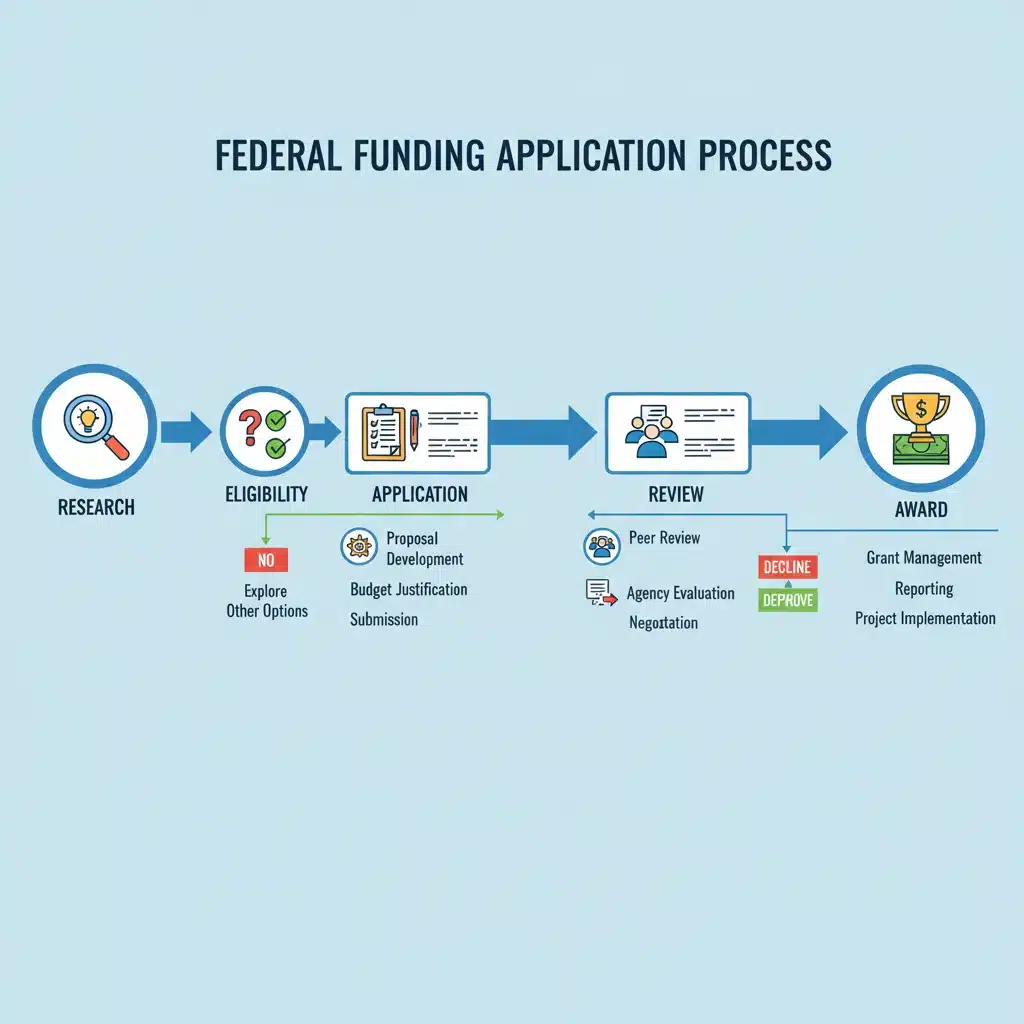
1. Early Planning and Research
- Monitor Federal Announcements: Regularly check official government websites like Grants.gov, HUD.gov, and USDA.gov for Notices of Funding Availability (NOFAs) and other program announcements. Sign up for email alerts from relevant agencies.
- Understand Program Guidelines: Each program has specific eligibility criteria, allowable activities, and reporting requirements. Thoroughly review the guidelines before investing time in an application. Pay close attention to the specific objectives the funding aims to achieve.
- Identify Local Needs: Ground your project in demonstrable community needs. Use local data on housing affordability, demographics, and specific challenges to justify your proposal.
2. Building Strong Partnerships
Federal agencies often favor collaborative projects that demonstrate broad community support and leverage diverse expertise.
- Community Organizations: Partner with local non-profits, social service providers, and advocacy groups. Their involvement can strengthen your application by demonstrating a comprehensive approach to community needs.
- Local Government: Engage with city or county planning departments, housing authorities, and economic development agencies. Their support, and sometimes direct involvement, is often crucial for project success and can be a requirement for certain federal housing funding streams.
- Private Developers and Lenders: For larger projects, partnerships with experienced affordable housing developers and financial institutions are often necessary, especially when leveraging LIHTC.

3. Developing a Robust Project Proposal
- Clear Project Narrative: Articulate a compelling story about your project. Clearly describe the problem you are addressing, your proposed solution, and the anticipated impact.
- Detailed Budget: Provide a realistic and thoroughly itemized budget. Justify every expense and demonstrate cost-effectiveness. Include all sources of funding, both secured and anticipated, to show a comprehensive financial plan.
- Demonstrate Capacity: Highlight your organization’s experience, expertise, and track record in affordable housing development or related fields. Showcase the qualifications of your project team.
- Feasibility and Sustainability: Address how your project will be financially sustainable in the long term, beyond the initial grant period. This is particularly important for rental housing projects.
- Evaluation Plan: Outline how you will measure the success of your project and track its impact. Federal agencies increasingly require robust evaluation frameworks.
4. Understanding the Application Process
- Grants.gov Registration: Most federal grants are applied for through Grants.gov. Ensure your organization is registered and that all necessary accounts (e.g., SAM.gov) are active and up-to-date well in advance of application deadlines.
- Technical Assistance: Many federal agencies offer technical assistance workshops, webinars, or direct support for applicants. Take advantage of these resources to clarify requirements and strengthen your proposal.
- Review and Revision: Have multiple people review your application for clarity, completeness, and adherence to all instructions. A fresh pair of eyes can catch errors or omissions.
Leveraging Federal Housing Funding with Other Resources
While federal housing funding is crucial, it often serves as a foundational layer that can be combined with other funding sources to maximize impact.
State and Local Funding
Many states and localities have their own affordable housing trust funds, bond programs, or other subsidies that can be layered with federal funds. These can include:
- State Housing Finance Agencies (HFAs): HFAs often administer federal programs like LIHTC and HOME, but also have their own state-specific programs.
- Local Affordable Housing Funds: Cities and counties may have dedicated funds from various sources, including property taxes, impact fees, or special levies.
Private and Philanthropic Funding
Private foundations, corporate social responsibility programs, and individual philanthropists are increasingly investing in affordable housing. These funds can often fill gaps not covered by federal programs, provide operating support, or fund innovative pilot projects.
Community Development Financial Institutions (CDFIs)
CDFIs are specialized financial institutions that provide capital and financial services to underserved communities. They often play a critical role in financing affordable housing developments, especially those that might be considered higher risk by traditional lenders.
Compliance and Reporting Requirements
Securing federal housing funding is only the first step. Grantees must also adhere to strict compliance and reporting requirements.
- Financial Management: Maintain meticulous financial records and adhere to federal accounting standards. Be prepared for audits.
- Performance Reporting: Regularly report on project progress, outcomes, and impact as required by the grant agreement. This often involves tracking metrics related to units created, residents served, and specific program objectives.
- Environmental Review: Many federal housing projects require an environmental review process to ensure compliance with environmental regulations.
- Fair Housing and Equal Opportunity: All projects receiving federal funds must comply with fair housing laws and promote equal opportunity.
Failing to meet these requirements can result in funding clawbacks, negative audit findings, and jeopardize future funding opportunities. Investing in robust administrative and compliance capacity is therefore just as important as securing the grant itself.
Anticipating Challenges and Mitigating Risks
While federal funding offers immense opportunities, it’s crucial to anticipate potential challenges.
- Political Shifts: Changes in political administrations or congressional priorities can impact funding levels and program directions. Stay informed about legislative developments.
- Economic Fluctuations: Economic downturns can lead to budget cuts or shifts in funding allocations. Building diverse funding portfolios can help mitigate this risk.
- Increased Competition: As awareness of funding opportunities grows, so does the competition. Continuously refine your proposal development skills and seek to differentiate your projects.
- Capacity Constraints: Managing federal grants requires significant administrative capacity. Ensure your organization has the staff, systems, and expertise to effectively manage complex projects and reporting. Consider investing in professional development for your team if needed.
- Inflation and Construction Costs: Rising material and labor costs can impact project budgets. Factor in potential cost escalations when developing your financial plans and seek out cost-effective construction methods where appropriate.
The Future of Affordable Housing: A Collaborative Vision
The challenges in affordable housing are substantial, but so are the opportunities presented by new federal housing funding. By strategically leveraging these resources, communities can make significant strides toward ensuring that everyone has access to a safe, stable, and affordable home. The path forward requires a collaborative vision, bringing together federal, state, and local governments, non-profit organizations, private developers, and community residents.
As 2026 approaches, staying proactive, informed, and prepared will be key. Engage with your elected officials, participate in advocacy efforts, and continuously seek out partnerships that strengthen your capacity to deliver impactful affordable housing solutions. The availability of federal housing funding is a powerful tool; how we collectively utilize it will determine the future of affordable housing in our nation.
Conclusion
The year 2026 holds immense promise for advancing affordable housing initiatives through renewed and expanded federal housing funding. From the foundational programs of HUD and USDA to the critical tax incentives offered by the Treasury, a wealth of resources is available for those prepared to access them. By understanding the evolving priorities, fostering strong partnerships, and developing meticulously crafted proposals, organizations can position themselves for success.
The journey to securing federal grants is rigorous, demanding careful planning, diligent execution, and unwavering commitment to compliance. However, the reward – the creation of more affordable homes and the strengthening of communities – is immeasurable. As we navigate the opportunities of 2026, let us collectively harness the power of federal investment to build a more equitable and housing-secure future for all.