Navigating the Future: Essential CDBG 2026 Updates for Community Development
The landscape of federal funding for community development is ever-evolving, and staying abreast of the latest changes is paramount for cities, counties, and non-profits aiming to foster sustainable growth and improve the quality of life for their residents. As we look towards the horizon, the Community Development Block Grant (CDBG) program, a cornerstone of urban and rural revitalization efforts, is poised for significant adjustments. The anticipated CDBG 2026 Updates promise to refine the program’s focus, streamline its processes, and potentially introduce new priorities in response to contemporary societal challenges. This comprehensive guide delves into what these changes might entail, offering insights and strategic advice for stakeholders.
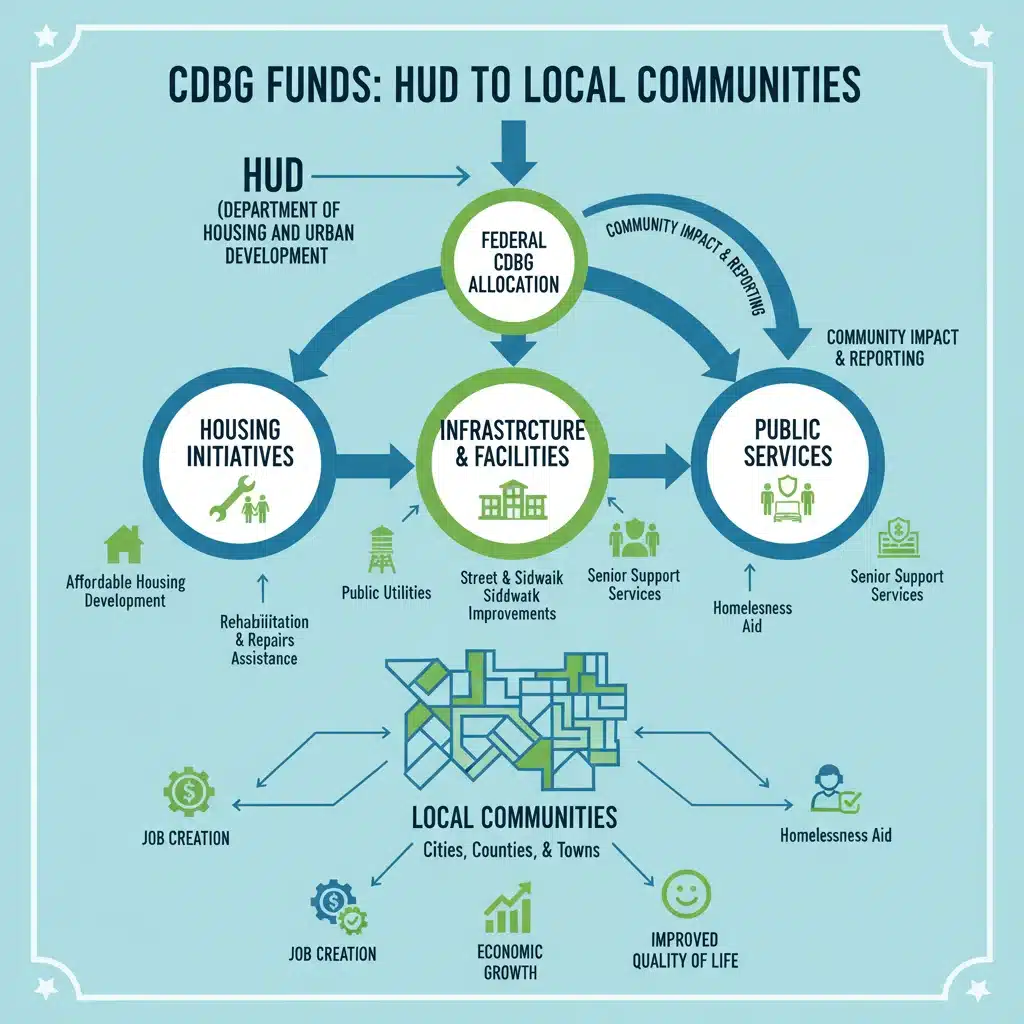
For decades, the CDBG program, administered by the U.S. Department of Housing and Urban Development (HUD), has been a vital source of flexible funding for local communities. It empowers local governments to address a wide range of unique development needs, from affordable housing and infrastructure improvements to economic development and public services. However, as the needs of communities shift and federal priorities adapt, so too must the mechanisms designed to support them. The CDBG 2026 Updates are not just administrative tweaks; they represent a forward-looking effort to ensure the program remains effective, equitable, and impactful in a rapidly changing world.
Understanding these updates early is crucial for effective planning and successful grant applications. This article will explore the potential areas of change, including revised eligibility criteria, new emphasis on specific development areas, potential shifts in funding allocation methodologies, and enhanced reporting requirements. We will also provide actionable strategies for communities to prepare for and leverage these forthcoming changes, ensuring continued access to this indispensable funding source. Whether you are a city planner, a grant writer, a community organizer, or a concerned resident, the information contained herein will equip you with the knowledge needed to navigate the evolving CDBG landscape.
The Foundation of CDBG: A Brief Overview and Its Enduring Importance
Before we dissect the specifics of the CDBG 2026 Updates, it’s essential to revisit the core principles and historical significance of the Community Development Block Grant program. Established in 1974, CDBG consolidated several categorical grant programs into a single, flexible funding stream. Its primary objective has always been to develop viable urban communities by providing decent housing, a suitable living environment, and expanding economic opportunities, principally for low and moderate-income persons.
Key Objectives of CDBG:
- Benefit Low- and Moderate-Income Persons: At least 70% of CDBG funds must be used for activities that benefit low- and moderate-income individuals. This includes projects like affordable housing construction, public facilities improvements in low-income areas, and job creation programs targeting these populations.
- Prevent or Eliminate Slums or Blight: Funds can be used for activities aimed at revitalizing deteriorated areas, such as demolition of unsafe structures, rehabilitation of blighted properties, and infrastructure upgrades in designated slum or blighted areas.
- Address Urgent Community Development Needs: In cases where a community faces an urgent threat to the health or welfare of its residents, and no other financial resources are available, CDBG funds can be used to address these immediate needs. This often applies to disaster recovery efforts.
The flexibility of CDBG is one of its greatest strengths. Local governments, known as “entitlement communities,” receive annual direct allocations of funds. These communities then have the autonomy to design and implement programs that best meet their local needs within the broad objectives of the CDBG program. This local control fosters innovation and ensures that federal dollars are applied to the most pressing issues identified by the communities themselves.
Over the years, CDBG has funded an incredible array of projects: building community centers, renovating homeless shelters, improving water and sewer systems, establishing small business incubators, and providing job training programs. Its impact is visible in countless communities across the United States, transforming neighborhoods and empowering residents. The program’s enduring relevance highlights the ongoing need for flexible federal support to tackle complex local challenges. As such, any changes, like the upcoming CDBG 2026 Updates, are met with keen interest and careful consideration by all involved stakeholders.
Anticipated Areas of Change in the CDBG 2026 Updates
While the precise details of the CDBG 2026 Updates are still under development and subject to legislative processes, informed projections can be made based on current federal priorities, existing program reviews, and emerging societal trends. Several key areas are likely to see significant modifications or renewed emphasis. Staying ahead of these potential shifts will be critical for communities to adapt their strategies and continue to secure vital funding.
1. Enhanced Focus on Climate Resilience and Green Infrastructure
With increasing recognition of climate change impacts, it is highly probable that the CDBG 2026 Updates will place a stronger emphasis on climate resilience and sustainable development. This could manifest in several ways:
- Prioritization of Green Infrastructure Projects: Projects that mitigate climate risks, such as stormwater management systems, urban forestry, and energy-efficient building retrofits, may receive higher scoring or dedicated funding streams.
- Integration of Environmental Justice: A focus on ensuring that climate resilience efforts disproportionately benefit vulnerable communities and address historical environmental inequities.
- New Eligibility for “Climate-Smart” Activities: Expansion of eligible activities to explicitly include planning and implementation of climate adaptation and mitigation strategies.
2. Refined Definition of “Low- and Moderate-Income Benefit”
The core principle of benefiting low- and moderate-income (LMI) persons may see refinements. The CDBG 2026 Updates could introduce more granular definitions or new methodologies for calculating LMI benefit, particularly in rapidly gentrifying areas or regions with unique economic challenges. There might be a push to ensure that benefits are not just quantitative but also qualitatively impactful, leading to sustained economic mobility and improved well-being for LMI residents.
3. Greater Emphasis on Data-Driven Decision Making and Impact Measurement
Federal programs are increasingly moving towards performance-based metrics. The CDBG 2026 Updates are likely to introduce more rigorous reporting requirements and a greater expectation for communities to demonstrate the measurable impact of their CDBG-funded activities. This could involve:
- Standardized Outcome Indicators: Requirement to report on specific, standardized metrics related to housing, economic development, and public services.
- Use of Geographic Information Systems (GIS): Encouragement or requirement to use GIS for mapping project locations and demonstrating impact on specific demographic groups or underserved areas.
- Longitudinal Studies: A potential shift towards encouraging or even requiring communities to track the long-term effects of CDBG investments.
4. Streamlined Application and Reporting Processes
While aiming for greater accountability, there’s also an ongoing effort across federal agencies to reduce administrative burdens. The CDBG 2026 Updates might introduce more user-friendly application portals, simplified reporting templates, or increased technical assistance resources to help communities navigate the bureaucratic landscape more efficiently. This would be particularly beneficial for smaller communities with limited administrative capacity.
5. Focus on Equitable Access and Digital Inclusion
The COVID-19 pandemic highlighted significant disparities in access to essential services, including broadband internet. The CDBG 2026 Updates could specifically encourage or prioritize projects that address digital divides, such as expanding broadband infrastructure in underserved areas, establishing public access computer centers, or providing digital literacy training, particularly for LMI populations.
6. Potential Shifts in Funding Allocation Formulas
Though less frequent, adjustments to the CDBG allocation formulas are always a possibility. These formulas consider factors like population, poverty rates, and housing overcrowding. The CDBG 2026 Updates could see slight recalibrations to better reflect current demographic trends and economic realities, potentially shifting the distribution of funds between different types of entitlement communities. Any such changes would have significant implications for local budgeting and planning.

Preparing for the CDBG 2026 Updates: Strategies for Success
Proactive preparation is key to successfully navigating the forthcoming CDBG 2026 Updates. Communities that anticipate changes and adapt their planning processes accordingly will be better positioned to continue receiving and effectively utilizing CDBG funds. Here are actionable strategies for stakeholders:
1. Stay Informed and Engage with HUD
The most crucial step is to actively monitor official HUD announcements, federal registers, and legislative developments. HUD often conducts public comment periods before finalizing major program changes. Engaging in these processes allows communities to provide valuable input and stay directly informed about the direction of the CDBG 2026 Updates.
- Subscribe to HUD Newsletters: Sign up for official HUD press releases and program-specific updates related to CDBG.
- Attend Webinars and Conferences: Participate in webinars hosted by HUD or national organizations focused on community grants.
- Review Federal Register Notices: Regularly check the Federal Register for proposed rules and public comment opportunities.
2. Conduct a Comprehensive Needs Assessment
Regardless of the specific CDBG 2026 Updates, a robust and up-to-date community needs assessment is always fundamental. This assessment should go beyond traditional metrics to include emerging challenges such as climate vulnerability, digital access gaps, and specific equity concerns. A thorough assessment will allow communities to align their proposed projects with both local priorities and anticipated federal emphases.
- Gather Current Data: Collect demographic, economic, housing, and infrastructure data.
- Engage Stakeholders: Conduct surveys, focus groups, and public meetings to gather input from diverse community members, including LMI populations.
- Identify Gaps and Opportunities: Pinpoint areas where CDBG funding can have the greatest impact in addressing identified needs.
3. Integrate Climate Resilience and Equity into Planning
Given the strong likelihood of a greater focus on climate and equity, communities should begin integrating these considerations into all aspects of their planning. Even before the official release of the CDBG 2026 Updates, projects that incorporate green building practices, sustainable infrastructure, and strategies to address environmental justice will likely be viewed favorably.
- Develop a Climate Action Plan: Create or update a plan that outlines strategies for climate adaptation and mitigation.
- Conduct an Equity Audit: Evaluate existing programs and policies to identify and address systemic inequities.
- Prioritize Dual-Benefit Projects: Seek projects that simultaneously address community needs (e.g., affordable housing) and climate resilience (e.g., energy efficiency).
4. Enhance Data Collection and Performance Measurement Capacities
To meet potential new reporting requirements under the CDBG 2026 Updates, communities should invest in improving their data collection, analysis, and performance measurement systems. This includes training staff, adopting new software, and establishing clear protocols for tracking project outcomes.
- Invest in GIS Capabilities: Utilize GIS for mapping project locations, service areas, and demographic data.
- Develop Outcome-Based Metrics: Shift from simply reporting activities to measuring the actual impact and outcomes of projects.
- Regularly Evaluate Programs: Implement a system for ongoing evaluation of CDBG-funded activities to demonstrate effectiveness.
5. Foster Cross-Sector Partnerships
Complex community development challenges often require collaborative solutions. The CDBG 2026 Updates may implicitly or explicitly encourage greater collaboration between local government, non-profits, private sector entities, and academic institutions. Building these partnerships now can strengthen grant applications and enhance project implementation.
- Identify Potential Partners: Map out local organizations and businesses that align with community development goals.
- Establish Communication Channels: Create forums for regular dialogue and collaboration.
- Develop Joint Projects: Explore opportunities for shared projects that leverage diverse expertise and resources.
6. Review and Update Consolidated Plans and Annual Action Plans
Entitlement communities are required to submit a Consolidated Plan every five years and an Annual Action Plan each year. These documents outline a community’s needs, strategies, and proposed use of CDBG funds. As the CDBG 2026 Updates become clearer, communities should be prepared to revise these plans to reflect new priorities and requirements. This includes ensuring that proposed activities align with the updated program guidelines and that the plans adequately address the evolving needs of LMI populations.
Potential Challenges and How to Overcome Them
While the CDBG 2026 Updates aim to improve the program, communities may face certain challenges during the transition. Anticipating these hurdles allows for proactive problem-solving.
1. Resource Constraints for Compliance
Smaller communities, in particular, may struggle to meet new reporting or planning requirements if they lack sufficient staff or technical resources. HUD usually provides technical assistance, but communities should also explore:
- Regional Collaboration: Partnering with neighboring communities to share resources and expertise.
- Grant Writing Support: Seeking assistance from experienced grant writers or consultants who are knowledgeable about CDBG.
- Capacity Building: Investing in training for existing staff to enhance their skills in data analysis, project management, and grant compliance.
2. Adapting Existing Projects
Communities with ongoing multi-year projects might need to assess how the CDBG 2026 Updates impact their current plans. It’s crucial to understand if new requirements apply retroactively or only to future funding cycles. Early communication with HUD representatives can clarify these details.
3. Navigating Shifting Priorities
A change in federal priorities, such as a stronger focus on climate resilience, might require communities to re-evaluate their long-term development strategies. This is an opportunity to innovate and align local needs with federal directives, rather than viewing it solely as a burden. Flexibility and a willingness to adapt are paramount.
The Broader Impact of CDBG 2026 Updates on Community Development
The implications of the CDBG 2026 Updates extend beyond mere compliance; they have the potential to reshape the trajectory of community development across the nation. By prioritizing certain types of projects and encouraging specific approaches, HUD can steer communities towards more sustainable, equitable, and resilient futures.
Fostering Sustainable and Resilient Communities
If the emphasis on climate resilience and green infrastructure materializes as expected, CDBG funds will increasingly contribute to making communities more resistant to the impacts of climate change. This could mean more investments in flood protection, energy-efficient housing, and urban green spaces that improve air quality and reduce heat island effects. The long-term benefits include reduced disaster recovery costs, improved public health, and enhanced environmental quality.
Advancing Equity and Inclusion
Refined LMI benefit definitions and a focus on equitable access, including digital inclusion, can help address systemic disparities. CDBG funds could become even more instrumental in breaking down barriers for marginalized communities, providing pathways to economic opportunity, and ensuring all residents have access to essential services and resources. This aligns with broader national goals of fostering a more just and inclusive society.
Promoting Innovation and Efficiency
Increased requirements for data-driven decision-making and impact measurement, while initially challenging, can ultimately lead to more effective and efficient use of taxpayer dollars. Communities will be encouraged to adopt best practices, leverage technology, and continuously evaluate their programs, leading to more impactful and sustainable outcomes. The CDBG 2026 Updates can serve as a catalyst for innovation in local government and community planning.
Strengthening Local Capacity
By encouraging cross-sector partnerships and potentially offering more streamlined processes, the updates can also contribute to strengthening the overall capacity of local governments and non-profit organizations. This enhanced capacity is vital for addressing not only current challenges but also future unforeseen needs, making communities more self-reliant and resilient.
Conclusion: A Future-Oriented Approach to Community Development
The impending CDBG 2026 Updates represent a critical juncture for community development in the United States. While the specifics are yet to be fully unveiled, the overarching direction points towards a program that is more attuned to the pressing challenges of climate change, equity, and data-driven accountability. For communities, this is not a time for apprehension but for proactive engagement and strategic adaptation.
By staying informed, conducting thorough needs assessments, integrating resilience and equity into planning, enhancing data capabilities, and fostering strong partnerships, communities can not only navigate these changes successfully but also leverage them to build stronger, more vibrant, and more sustainable places for all their residents. The CDBG program has a rich history of empowering local action, and with these anticipated updates, it is poised to continue playing a pivotal role in shaping the future of our communities for decades to come. The time to prepare for the CDBG 2026 Updates is now, ensuring that your community is ready to seize the opportunities that lie ahead and continue its vital work of improving lives and fostering prosperity.
Engage with your local HUD field office, participate in public comment periods, and collaborate with regional planning agencies to ensure your community’s voice is heard and your strategies are aligned with the evolving federal landscape. The future of community development is dynamic, and with a forward-thinking approach, the CDBG 2026 Updates can be a powerful tool for positive transformation.