Community Health Centers: Affordable Quality Care Under $50 in 2026
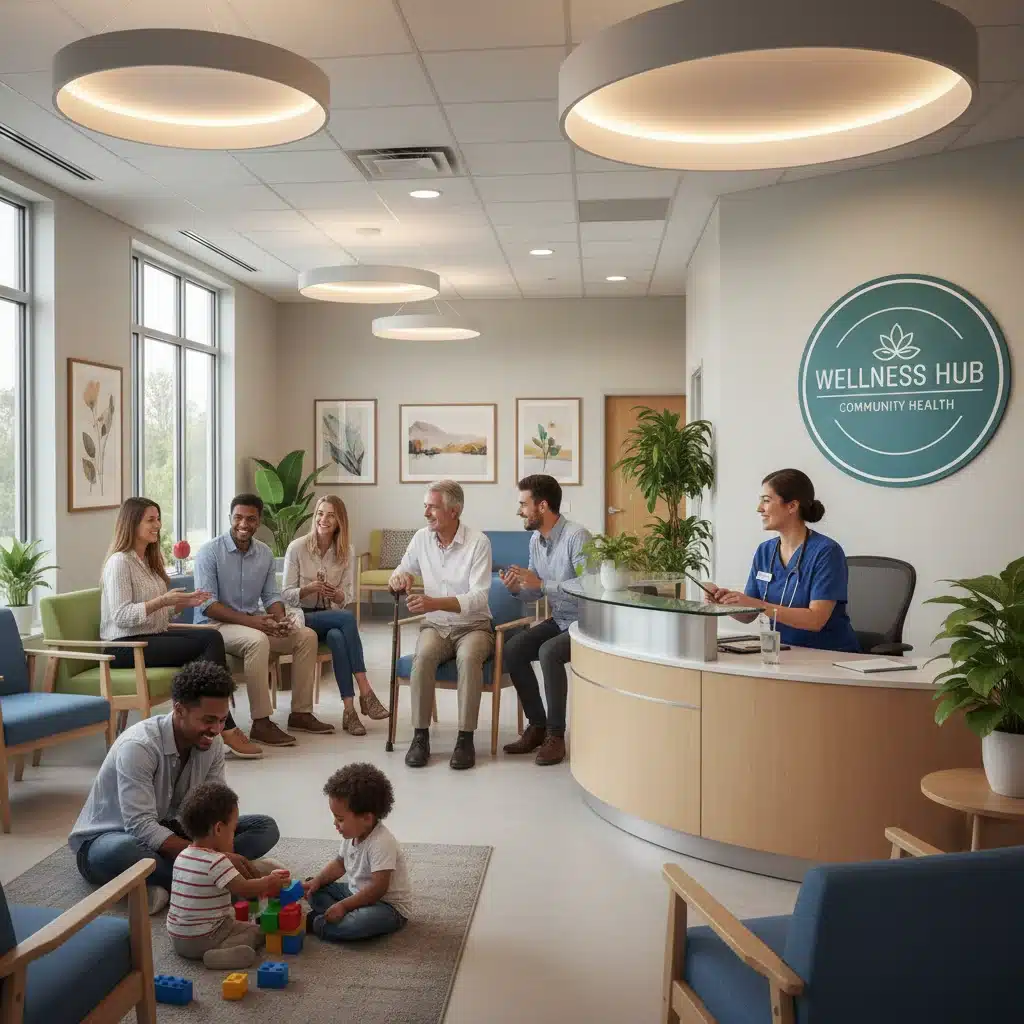
In an era where healthcare costs often feel astronomical, the concept of receiving quality medical care for under $50 per visit might seem like a relic of the past. However, in 2026, Community Health Centers (CHCs) continue to be a beacon of hope, providing essential health services at incredibly affordable rates. These centers are not just about low costs; they are cornerstones of community well-being, offering comprehensive, patient-centered care to everyone, regardless of their insurance status or ability to pay. This extensive guide will delve into the world of affordable health centers, exploring their mission, the services they provide, eligibility requirements, and how they manage to keep costs so low, ensuring that quality healthcare remains within reach for millions.
The landscape of healthcare is constantly evolving, with new technologies, treatments, and challenges emerging regularly. Amidst this flux, the fundamental need for accessible and affordable primary care remains constant. For many, the high deductibles, co-pays, and premiums associated with traditional insurance plans can make even routine check-ups a financial burden. This is where community health centers step in, bridging the gap between medical need and economic reality. They embody a commitment to health equity, ensuring that no individual is denied care due to financial constraints.
The Enduring Mission of Community Health Centers: A Pillar of Affordable Care
Community Health Centers, often referred to as Federally Qualified Health Centers (FQHCs), have a rich history rooted in the civil rights movement of the 1960s. Their initial mandate was to provide healthcare to underserved populations, a mission that remains just as critical today. Unlike private practices or large hospital systems, CHCs are non-profit organizations primarily funded by federal grants, Medicaid, Medicare, and other sources. This unique funding model allows them to operate on a sliding fee scale, meaning patients pay based on their income and family size. This mechanism is key to offering services at such a low cost, often under $50 for a primary care visit.
The core philosophy of CHCs is holistic care. They don’t just treat illnesses; they focus on preventive care, health education, and addressing the social determinants of health that impact a community’s well-being. This integrated approach recognizes that health is influenced by more than just medical conditions – factors like housing, nutrition, employment, and education all play a significant role. By understanding and addressing these broader issues, CHCs contribute to healthier individuals and, by extension, healthier communities.
In 2026, the demand for affordable health centers is higher than ever. Economic shifts, the ongoing impact of global health crises, and the persistent challenge of healthcare affordability mean that more people are seeking reliable and cost-effective medical options. CHCs are uniquely positioned to meet this demand, offering a comprehensive range of services that extend far beyond basic check-ups. They are designed to be a patient’s primary medical home, providing continuity of care and building long-term relationships with their patients.
What Services Can You Expect at an Affordable Health Center?
The breadth of services offered at community health centers is often surprising to those unfamiliar with their model. These are not just walk-in clinics; they are full-service medical facilities designed to meet the vast majority of a family’s healthcare needs. The goal is to provide comprehensive care under one roof, reducing the need for multiple referrals and making healthcare navigation simpler for patients.
Primary Medical Care
- Routine Check-ups and Physicals: Essential for maintaining health and detecting potential issues early.
- Acute Illness Treatment: Care for common colds, flu, infections, and minor injuries.
- Chronic Disease Management: Ongoing support for conditions like diabetes, hypertension, asthma, and heart disease, including medication management and lifestyle counseling.
- Immunizations: Vaccinations for children and adults to prevent infectious diseases.
- Screenings: Cancer screenings, blood pressure checks, cholesterol tests, and other preventive screenings.
Dental Care
Many affordable health centers offer integrated dental services, recognizing the critical link between oral health and overall well-being. These services can include:
- Routine Cleanings and Examinations: Essential for preventing cavities and gum disease.
- Fillings and Extractions: Addressing common dental issues.
- Preventive Dental Education: Teaching patients about proper oral hygiene.
Behavioral Health Services
Mental health is an integral part of overall health, and CHCs are at the forefront of integrating behavioral health into primary care. Services often include:
- Counseling and Therapy: Individual, group, and family therapy for a range of mental health conditions.
- Substance Use Disorder Treatment: Support and resources for individuals struggling with addiction.
- Psychiatric Services: Medication management and consultation with psychiatrists.
Women’s Health Services
CHCs provide a full spectrum of women’s health services, including:
- Prenatal and Postnatal Care: Supporting expectant mothers throughout pregnancy and after childbirth.
- Family Planning: Contraception counseling and services.
- Gynecological Exams: Pap tests and other screenings for reproductive health.
Pediatric Care
From infancy through adolescence, CHCs offer comprehensive care for children, including:
- Well-Child Visits: Regular check-ups to monitor growth and development.
- Childhood Immunizations: Ensuring children are protected against preventable diseases.
- Acute Illness Care: Treating common childhood illnesses.
Enabling Services
Beyond direct medical care, many affordable health centers offer ‘enabling services’ that help patients overcome barriers to care. These can include:
- Transportation Assistance: Helping patients get to and from appointments.
- Translation Services: Ensuring effective communication for patients with limited English proficiency.
- Case Management: Connecting patients with social services, housing assistance, and food programs.
- Health Education: Workshops and resources on nutrition, chronic disease self-management, and healthy lifestyles.
This extensive array of services underscores the role of CHCs as comprehensive healthcare hubs. They are designed to address the diverse needs of their communities, providing a safety net for those who might otherwise fall through the cracks of the healthcare system.
Eligibility and Access: Who Can Benefit from Affordable Health Centers?
One of the most remarkable aspects of community health centers is their commitment to serving everyone, regardless of their ability to pay or insurance status. This ‘open door’ policy is fundamental to their mission and sets them apart from many other healthcare providers. If you’re wondering if you qualify for services at an affordable health center, the answer is almost certainly yes.
No Insurance? No Problem.
A common misconception is that you need health insurance to receive care. This is not true for CHCs. They are mandated to provide care to uninsured individuals. For these patients, the sliding fee scale is particularly beneficial, allowing them to access necessary medical attention without incurring crippling debt.
The Sliding Fee Scale: How Costs Stay Under $50
The sliding fee scale is the cornerstone of affordability at CHCs. Here’s how it generally works:
- Proof of Income: Patients are asked to provide documentation of their household income (e.g., pay stubs, tax returns, unemployment benefits).
- Family Size: The number of dependents in the household is also considered.
- Federal Poverty Guidelines (FPG): The patient’s income and family size are compared to the federal poverty guidelines. Patients whose income falls below a certain percentage of the FPG (often 100% or 200%) qualify for significant discounts.
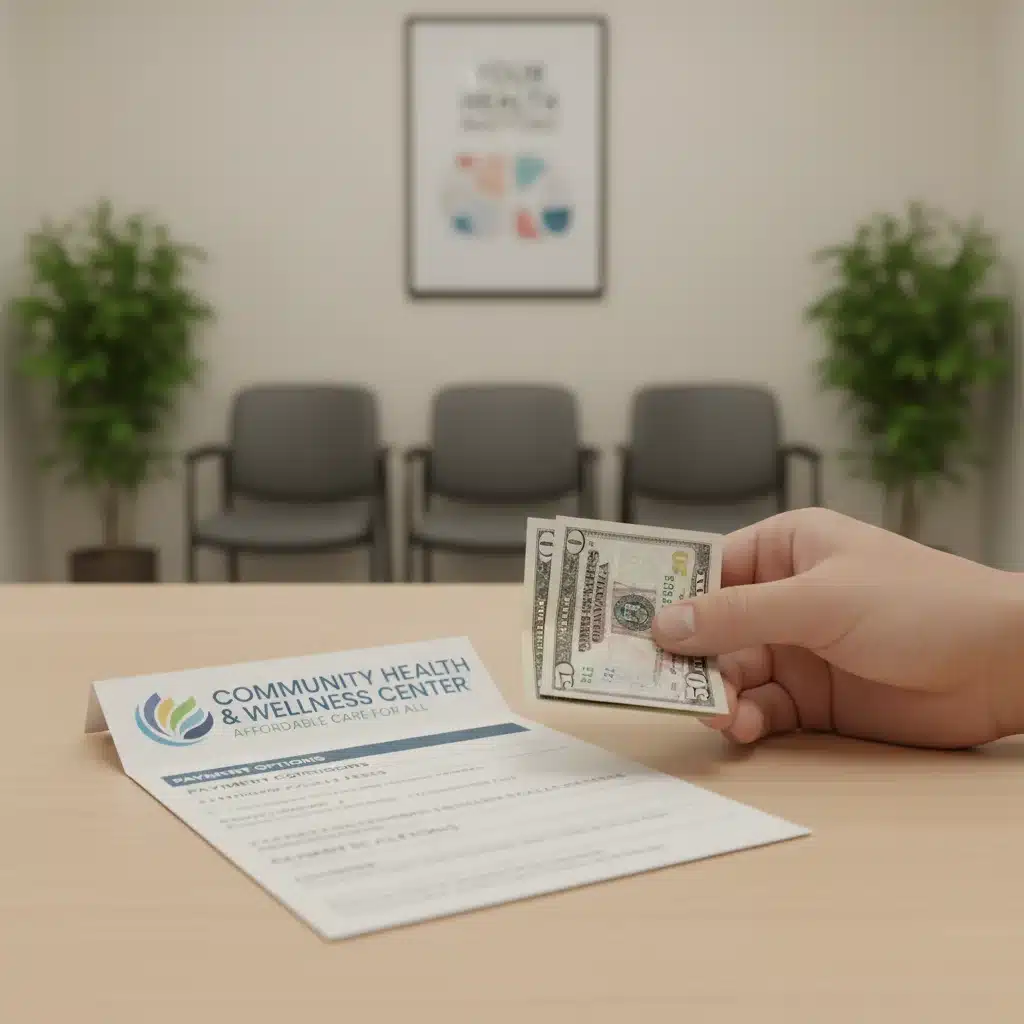
- Tiered Payments: Based on where an individual’s income falls on the scale, they are assigned a specific co-pay or fee for services. For those at the lowest income levels, a primary care visit can often be as low as $0 to $25, making the ‘under $50’ claim not just achievable, but often exceeded in terms of savings.
It’s important to note that even patients with insurance may benefit from CHCs. Many centers accept Medicaid, Medicare, and private insurance plans. If you have insurance, your co-pay at a CHC might still be lower than at a private practice, and the comprehensive services offered can be a major advantage.
Finding an Affordable Health Center Near You in 2026
Locating a community health center is relatively straightforward. The Health Resources and Services Administration (HRSA) maintains a comprehensive search tool on its website, allowing you to find FQHCs by zip code or state. Additionally, a quick online search for ‘community health centers near me’ or ‘affordable health centers [your city/state]’ will typically yield relevant results.
When contacting a center, it’s advisable to inquire about their specific services, accepted insurance plans, and the documentation required for their sliding fee scale program. Most centers have dedicated staff who can assist you with the application process and answer any questions you may have.

The Economic and Social Impact of Affordable Health Centers
The value of community health centers extends far beyond the individual patient. They play a critical role in strengthening the overall healthcare system and fostering healthier, more productive communities. The economic and social returns on investment in CHCs are substantial.
Reducing Healthcare Costs for Everyone
By providing preventive care and managing chronic conditions effectively, CHCs help reduce the need for more expensive emergency room visits and hospitalizations. When people have access to regular, affordable primary care, they are less likely to develop severe health complications that require costly interventions. This not only saves money for individuals but also reduces the burden on state and federal healthcare budgets.
Addressing Health Disparities
CHCs are strategically located in medically underserved areas, often serving populations that face significant health disparities. These include racial and ethnic minorities, low-income individuals, agricultural workers, individuals experiencing homelessness, and residents of rural areas. By bringing quality care directly to these communities, CHCs work to reduce health inequities and improve health outcomes for those who have historically been marginalized.
Economic Boost for Local Communities
Beyond their direct healthcare services, CHCs are also significant employers in their communities. They create jobs for doctors, nurses, administrative staff, and various support personnel, contributing to local economies. Furthermore, by improving the health of the workforce, CHCs indirectly boost productivity and economic stability.
Promoting Public Health
During public health crises, such as pandemics, CHCs are often on the front lines, providing testing, vaccinations, and critical health information to their communities. Their established trust within these communities makes them invaluable partners in public health efforts, ensuring that vital services reach those who need them most.
Challenges and Future Outlook for Affordable Health Centers in 2026
While the impact of CHCs is undeniable, they also face ongoing challenges. Funding remains a constant concern, as federal grants can fluctuate, and the demand for services often outpaces available resources. Workforce shortages, particularly in rural and underserved areas, also pose a significant hurdle. Attracting and retaining qualified healthcare professionals in these regions requires ongoing investment and innovative solutions.
Despite these challenges, the outlook for affordable health centers in 2026 remains optimistic. There is growing recognition at both federal and state levels of the indispensable role CHCs play in the healthcare ecosystem. Continued advocacy and support are crucial to ensure these vital institutions can expand their reach and continue their mission.
Technological Advancements and Telehealth
The integration of telehealth services has been a game-changer for many CHCs, particularly in expanding access to specialists and behavioral health services in remote areas. In 2026, we can expect further advancements in digital health, allowing CHCs to offer even more convenient and efficient care. This includes remote monitoring for chronic conditions, online patient portals for appointments and prescription refills, and virtual consultations that reduce travel time and costs for patients.
Focus on Integrated Care Models
The trend towards integrated care, encompassing medical, dental, and behavioral health services under one roof, will continue to strengthen. This model not only improves patient outcomes by addressing all aspects of an individual’s health but also creates a more efficient and cost-effective system. CHCs are uniquely positioned to lead in this area, given their long-standing commitment to holistic, patient-centered care.
Community Partnerships
Building strong partnerships with local organizations, schools, food banks, and housing initiatives will be increasingly important. These collaborations allow CHCs to address the social determinants of health more effectively, creating a more comprehensive support system for their patients and communities. By working together, these entities can tackle complex issues that impact health, such as food insecurity, lack of safe housing, and educational barriers.
Real-Life Impact: Stories from Affordable Health Centers
To truly understand the profound impact of affordable health centers, it’s helpful to consider the stories of individuals whose lives have been transformed by their services. These are not just statistics; they are real people who have found health, hope, and dignity through accessible care.
Maria’s Journey: Managing Chronic Illness
Maria, a single mother working two part-time jobs, struggled to manage her diabetes. Without insurance, the cost of doctor visits, medications, and regular blood tests was overwhelming. She often skipped appointments and rationed her insulin, putting her health at severe risk. A local community health center became her lifeline. Through their sliding fee scale, Maria could afford regular check-ups with an endocrinologist, access affordable medications, and participate in a diabetes education program. Her blood sugar levels stabilized, and she learned how to manage her condition effectively, empowering her to live a healthier life for herself and her children.
John’s Recovery: Mental Health Support
John, a veteran experiencing homelessness, battled severe depression and anxiety. He was hesitant to seek help due to stigma and the perceived high cost of mental healthcare. A community health center that offered integrated behavioral health services provided him with a safe space. He began regular counseling sessions, received medication management, and was connected with a social worker who helped him navigate resources for housing and employment. The affordable health center not only addressed his mental health needs but also provided a pathway to stability and recovery.
The Garcia Family: Comprehensive Pediatric Care
The Garcia family, new immigrants to the country, had limited English proficiency and no understanding of the complex healthcare system. Their children needed vaccinations and routine check-ups. A community health center with bilingual staff and a commitment to serving immigrant populations became their medical home. The center provided all the necessary pediatric care, offered translation services during appointments, and even connected them with community resources for language classes and job assistance. The Garcia children are now thriving, and their parents feel confident that their family’s health needs are being met.
These stories highlight the multifaceted role of CHCs: they are not just providers of medical services, but also advocates, educators, and community builders. They demonstrate that quality healthcare for under $50 per visit is not just a dream, but a tangible reality for millions.
Making the Most of Your Visit to an Affordable Health Center
If you plan to visit a community health center, here are some tips to ensure you get the most out of your experience:
- Gather Documentation: Be prepared to provide proof of income and family size if you wish to apply for the sliding fee scale. This might include pay stubs, tax returns, unemployment letters, or a letter from your employer.
- List Your Concerns: Before your appointment, write down any symptoms, questions, or concerns you have. This helps ensure you address everything with your provider.
- Bring a List of Medications: Make sure to bring a list of all medications you are currently taking, including over-the-counter drugs, supplements, and dosages.
- Ask Questions: Don’t hesitate to ask your healthcare provider questions about your diagnosis, treatment plan, or medications. Understanding your health is key to managing it effectively.
- Utilize Enabling Services: If you face barriers like transportation or language, ask about the center’s enabling services. They are there to help you access care.
- Be Proactive with Preventive Care: Take advantage of the preventive services offered, such as screenings and immunizations. Prevention is always more cost-effective and healthier than treating advanced illnesses.
The Future is Affordable: Why Community Health Centers Matter More Than Ever
As we navigate the complexities of healthcare in 2026 and beyond, the role of affordable health centers will only grow in importance. They represent a model of healthcare that is equitable, accessible, and deeply rooted in community needs. By prioritizing prevention, offering comprehensive services, and ensuring affordability, CHCs are not just treating illness; they are building healthier, more resilient communities.
For individuals and families seeking quality medical care without the crushing financial burden, community health centers offer a vital solution. They demonstrate that it is possible to provide excellent healthcare at a cost that is manageable, proving that health is a right, not a privilege. Supporting and utilizing these centers is an investment in the well-being of our entire society.
So, if you or someone you know is struggling to access healthcare, remember the power of community health centers. A visit that costs under $50 could be the first step towards a healthier, more secure future.