Community Health Centers: Your Guide to Affordable Care in 2026
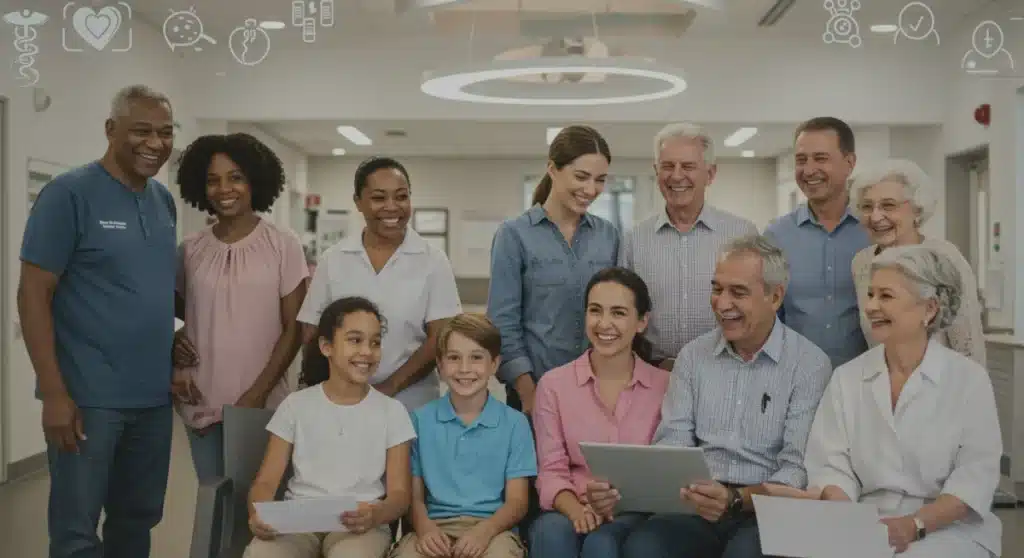
Community health centers are critical access points for affordable, comprehensive medical and dental services, boasting over 1,400 locations across the U.S. that cater to diverse communities’ healthcare needs.
Navigating the healthcare landscape can be challenging, especially when seeking affordable options. Fortunately, community health centers stand as beacons of accessible, low-cost medical and dental services, serving millions across the nation.
Understanding the Mission of Community Health Centers
Community health centers, often referred to as Federally Qualified Health Centers (FQHCs), are non-profit, community-directed organizations that deliver high-quality primary healthcare services to underserved populations. Their core mission revolves around providing comprehensive, culturally competent, and quality primary healthcare services to all, regardless of their ability to pay. This commitment makes them indispensable in the American healthcare system.
These centers are designed to be patient-governed, meaning that a majority of their board members must be patients of the center. This structure ensures that the services provided are truly responsive to the needs of the community they serve, fostering trust and relevance. They operate on a sliding fee scale, which adjusts the cost of services based on an individual’s income and family size, making healthcare affordable for everyone, including those without insurance.
Who do community health centers serve?
- Uninsured individuals seeking essential medical care.
- Low-income families requiring affordable healthcare solutions.
- Migrant and seasonal farmworkers needing specialized health support.
- Individuals experiencing homelessness who lack consistent access to care.
- Residents of rural and urban areas where healthcare access is limited.
In essence, community health centers act as a crucial safety net, ensuring that preventative care, chronic disease management, and essential dental services are within reach for vulnerable populations. Their holistic approach often extends beyond clinical care, addressing social determinants of health that impact well-being.
The Scope of Services Offered in 2026
By 2026, community health centers continue to expand their service offerings, moving beyond basic medical care to provide a more integrated approach to health. This expansion is critical as healthcare needs become increasingly complex, encompassing physical, mental, and social well-being. Their comprehensive service models are designed to meet the diverse needs of their patient populations effectively.
These centers typically offer a wide array of primary care services. This includes general medical examinations, vaccinations, screenings for various diseases, and management of chronic conditions such as diabetes and hypertension. They emphasize preventive care, aiming to keep patients healthy and reduce the need for more expensive emergency room visits or hospitalizations.
Integrated health services available
- Primary medical care, including check-ups and chronic disease management.
- Comprehensive dental care, from routine cleanings to restorative procedures.
- Behavioral health services, such as counseling and substance abuse treatment.
- Pharmacy services, often with discounted medications.
- Vision and hearing screenings, promoting overall sensory health.
- Enabling services, including transportation, translation, and health education.
The integration of medical, dental, and behavioral health services under one roof is a hallmark of community health centers. This model simplifies access to care for patients, allowing for better coordination among providers and more holistic treatment plans. This integrated care approach is particularly beneficial for patients with complex health needs who might otherwise struggle to navigate multiple appointments and facilities.
Finding a Community Health Center Near You
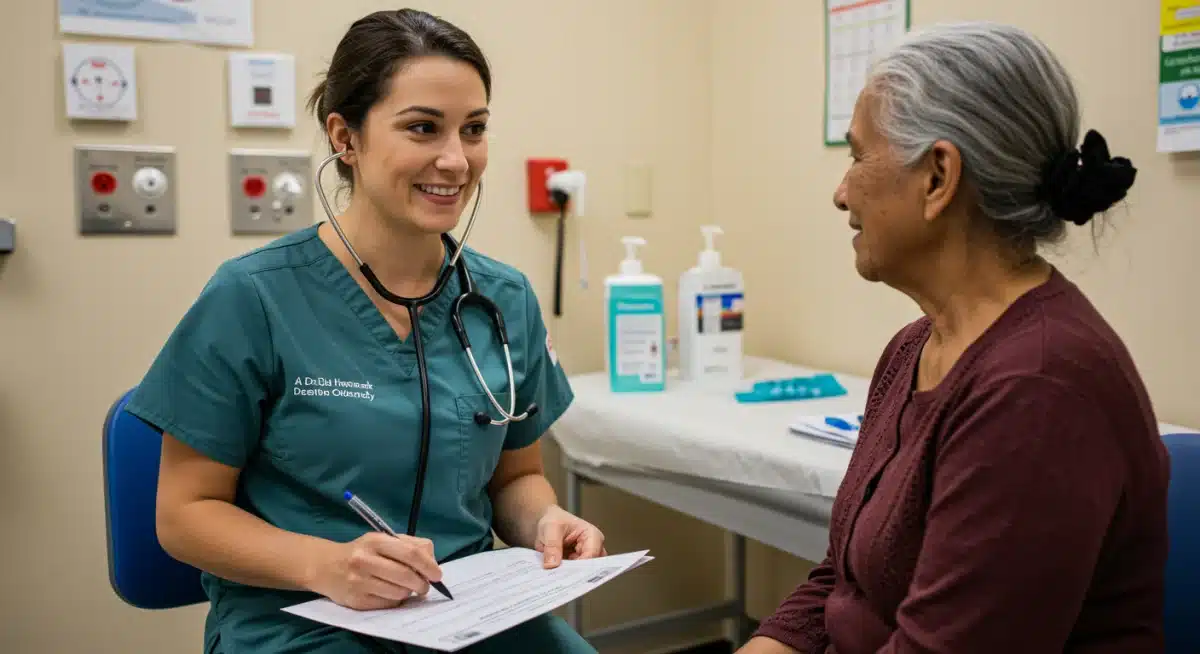
Locating a community health center is simpler than ever, thanks to national directories and online tools. With over 1,400 locations spread across the United States, there’s a strong likelihood that quality, affordable care is available within a reasonable distance, whether you live in a bustling city or a remote rural area. Accessibility is a cornerstone of their operational philosophy, ensuring that geographical barriers do not prevent individuals from receiving necessary care.
The Health Resources and Services Administration (HRSA) provides an official online tool that allows individuals to search for FQHCs by address, city, state, or zip code. This resource is invaluable for anyone seeking to connect with a local center. Additionally, many state health departments and local non-profit organizations also maintain directories of community health centers, offering localized support and information.
Steps to find your nearest center
- Visit the official HRSA website and use their ‘Find a Health Center’ tool.
- Contact your state’s health department for a list of local FQHCs.
- Search online using terms like “community health center near me” or “low-cost dental services [your city]”.
- Reach out to local community organizations or social services for recommendations.
Once you’ve identified a center, it’s advisable to contact them directly to inquire about their specific services, eligibility requirements, and scheduling procedures. While most centers operate on a sliding fee scale, some may have particular programs or specializations that could be highly beneficial for your unique health needs. Don’t hesitate to ask questions to ensure the center is the right fit for you and your family.
Eligibility and Cost: What to Expect
One of the most significant advantages of community health centers is their commitment to providing care regardless of a patient’s insurance status or ability to pay. This inclusive approach removes significant financial barriers that often prevent individuals from seeking timely medical or dental attention. Understanding the eligibility criteria and cost structure can help demystify the process for new patients.
Eligibility for services at a community health center is broad. While they primarily serve underserved populations, anyone can technically become a patient. The key differentiator lies in the cost of services. Centers use a sliding fee scale, which means the amount you pay is determined by your household income and family size, in relation to the federal poverty guidelines. This ensures that those with lower incomes pay significantly less, or sometimes nothing at all, for their care.
Navigating the sliding fee scale
When you visit a community health center, you will likely be asked to provide documentation to verify your income and family size. This might include recent pay stubs, tax returns, or other financial statements. It’s important to bring these documents with you to your first appointment to ensure you receive the appropriate discount. Even if you have insurance, these centers can often provide care at a lower out-of-pocket cost, especially for high-deductible plans.
For those with health insurance, community health centers accept most major plans, including Medicaid, Medicare, and private insurance. They bill insurance providers just like any other healthcare facility. However, the sliding fee scale typically applies to the portion of the bill not covered by insurance, such as co-pays or deductibles, further reducing the financial burden on patients. This dual approach maximizes affordability for all patients, whether insured or uninsured.
The Impact of Community Health Centers on Public Health
The role of community health centers extends far beyond individual patient care; they are vital pillars of public health, significantly contributing to the overall well-being of communities nationwide. By providing accessible and affordable healthcare, they alleviate the strain on emergency rooms, reduce preventable hospitalizations, and improve health outcomes for millions. Their preventative focus is a key factor in fostering healthier populations.
These centers are often at the forefront of public health initiatives, including vaccination campaigns, disease screenings, and health education programs. They serve as trusted community hubs, disseminating critical health information and encouraging healthy behaviors among diverse populations. This proactive approach helps to identify health issues early, manage chronic conditions effectively, and prevent the spread of infectious diseases, particularly in vulnerable communities.
Broader community benefits
- Reduced healthcare disparities among different socioeconomic groups.
- Improved chronic disease management, leading to better quality of life.
- Increased access to mental health and substance abuse services, addressing critical needs.
- Lower rates of preventable hospitalizations and emergency room visits.
- Stronger local economies through job creation and community investment.
Furthermore, community health centers play a crucial role in public health emergencies, serving as essential points of contact for testing, treatment, and vaccination efforts. Their established presence and deep community ties enable them to respond rapidly and effectively to crises, reaching populations that might otherwise be overlooked. This resilience and adaptability underscore their indispensable value to the national health infrastructure.
Challenges and the Future of Community Health Centers
Despite their undeniable success and critical role, community health centers face ongoing challenges that impact their ability to serve communities optimally. These challenges include securing consistent funding, recruiting and retaining qualified healthcare professionals, and adapting to evolving healthcare policies. Addressing these issues is crucial for their continued growth and effectiveness in the coming years.
Funding remains a perennial concern. While FQHCs receive federal grants, these funds often do not cover the full cost of providing comprehensive care, especially for the uninsured. They rely heavily on patient revenues, state and local support, and private donations. Advocacy efforts are continuously underway to secure more stable and robust funding streams that match the expanding demand for their services.
Future outlook and opportunities
- Advocacy for increased and stable federal funding to meet growing demand.
- Integration of advanced telehealth technologies to expand reach and accessibility.
- Enhanced partnerships with local hospitals and specialty care providers for seamless referrals.
- Focus on workforce development to attract and retain dedicated healthcare professionals.
- Expansion of services to include social determinants of health interventions.
The future of community health centers is also deeply intertwined with advancements in technology and healthcare delivery models. Telehealth, for instance, offers a significant opportunity to extend care to remote areas and improve patient convenience. By embracing innovation and continuing to advocate for supportive policies, community health centers are poised to strengthen their position as cornerstones of accessible, affordable, and high-quality healthcare in 2026 and beyond.
Partnering with Community Health Centers for Better Health Outcomes
Engaging with community health centers goes beyond simply receiving medical or dental care; it represents an opportunity to partner with an organization deeply invested in your overall well-being and the health of your community. These centers are not just clinics; they are community assets that foster a proactive approach to health, emphasizing education, prevention, and comprehensive support. By becoming a patient, you contribute to a system that prioritizes community welfare.
Many centers offer programs and workshops designed to empower patients with knowledge about managing chronic conditions, adopting healthy lifestyles, and navigating the healthcare system. These educational initiatives are crucial in promoting self-care and preventing future health issues. Active participation in these programs can lead to significant improvements in personal health outcomes and a greater sense of control over one’s health journey.
How patients can engage and benefit
- Attend health education workshops and preventive care seminars offered by the center.
- Participate in patient advisory committees to provide feedback and shape services.
- Utilize all integrated services, including behavioral health and dental, for holistic care.
- Spread awareness about the center’s services to friends and family in need.
- Advocate for continued support and funding for community health initiatives.
The partnership between patients and community health centers creates a virtuous cycle: patients receive excellent, affordable care, and in turn, their engagement strengthens the center’s ability to serve more people and expand its impact. This collaborative model is essential for building healthier, more resilient communities nationwide. Your decision to choose a community health center is an investment in both your health and the health of those around you.
| Key Aspect | Brief Description |
|---|---|
| Affordable Care | Services are offered on a sliding fee scale based on income, ensuring care regardless of ability to pay. |
| Comprehensive Services | Includes medical, dental, behavioral health, pharmacy, and enabling services under one roof. |
| National Reach | Over 1,400 locations across the US, easily locatable via HRSA’s online tool. |
| Community Impact | Reduces health disparities, improves public health outcomes, and serves as vital community resources. |
Frequently asked questions about community health centers
A community health center (often an FQHC) is a non-profit, patient-governed organization providing primary healthcare, dental, and behavioral health services. They aim to serve underserved populations, offering care regardless of a patient’s ability to pay, using a sliding fee scale.
Anyone can receive care at a community health center. While they focus on underserved communities, their services are open to all. The cost of care is adjusted based on income and family size, making it affordable for uninsured and low-income individuals.
You can easily find a center by using the ‘Find a Health Center’ tool on the Health Resources and Services Administration (HRSA) website. Additionally, state health departments and local community organizations often provide directories and assistance.
Community health centers offer a full range of dental services, including routine cleanings, examinations, X-rays, fillings, extractions, and sometimes more specialized procedures. The goal is to provide comprehensive oral healthcare to improve overall health.
Conclusion
Community health centers represent a cornerstone of accessible and affordable healthcare in the United States. With over 1,400 locations by 2026, these centers diligently provide essential medical, dental, and behavioral health services to millions, fulfilling their mission to serve all, regardless of economic status. Their integrated care model, patient-governed approach, and commitment to public health make them invaluable assets. As the healthcare landscape continues to evolve, supporting and strengthening these centers will be paramount to ensuring equitable access to quality care for every community across the nation.