340B Program Updates 2026: Affordable Medications Guide

The 340B Drug Pricing Program, a vital federal initiative, is undergoing significant updates for 2026, directly impacting how eligible patients access discounted prescription drugs and manage healthcare costs.
The landscape of healthcare in the United States is constantly evolving, and for many, the cost of prescription medications remains a significant barrier to effective treatment. Understanding the Recent Updates to the 340B Drug Pricing Program: What Patients Need to Know for Affordable Medications in 2026 is crucial for ensuring continued access to life-saving and life-improving drugs. This program, established in 1992, plays a pivotal role in enabling eligible healthcare organizations to purchase outpatient drugs at significantly reduced prices, passing these savings on to their most vulnerable patients.
Understanding the 340B Drug Pricing Program
The 340B Drug Pricing Program is a federal initiative designed to help certain healthcare providers stretch scarce federal resources. These providers, often referred to as ‘covered entities,’ serve a disproportionate share of low-income and uninsured patients. By allowing them to purchase prescription drugs at a discount, the program enables these entities to offer more comprehensive services, including affordable medications, to their communities.
Initially, the program aimed to support safety-net providers. Over the years, its scope has expanded, leading to increased scrutiny and calls for reform. The core principle, however, remains to ensure that eligible organizations can provide necessary pharmaceutical care without financial ruin for their patients.
Who Benefits from 340B?
The primary beneficiaries of the 340B program are patients served by covered entities. These entities include a wide range of organizations, each playing a critical role in the healthcare ecosystem. The discounts obtained allow these organizations to offer lower drug prices, expand services, or provide other forms of patient assistance.
- Disproportionate Share Hospitals (DSH)
- Federally Qualified Health Centers (FQHCs)
- Ryan White HIV/AIDS Program grantees
- Children’s Hospitals and Cancer Hospitals
These entities leverage the savings to support various patient care initiatives, from offering free clinics to funding medication adherence programs. The impact is far-reaching, touching millions of lives across the nation who might otherwise struggle to afford their prescriptions.
In essence, the 340B program acts as a financial lifeline for many healthcare providers and their patients. It ensures that the most vulnerable populations, who often face complex health challenges and socioeconomic barriers, can access essential medications without facing insurmountable costs. The program’s design allows for flexibility in how savings are utilized, empowering covered entities to tailor their support to specific community needs.
Key Regulatory Changes Impacting 340B in 2026
The 340B program has been a subject of continuous debate and regulatory adjustments. For 2026, several significant changes are on the horizon, primarily aimed at increasing transparency, refining eligibility criteria, and addressing manufacturer concerns about program integrity. These updates are a response to years of stakeholder feedback and an effort to balance the program’s original intent with current healthcare realities.
One of the most discussed areas of reform involves the definition of ‘patient’ and the rules surrounding contract pharmacy arrangements. Manufacturers have long argued that some of these arrangements lead to diversion or duplicate discounts, undermining the program’s efficiency. Regulators are working to clarify these guidelines to ensure that discounts are appropriately applied and reach the intended beneficiaries.
New Eligibility Requirements
While the fundamental types of covered entities remain, there are discussions around stricter interpretations of eligibility for certain provider types. This could impact how new entities join the program and how existing ones maintain their status. The goal is to ensure that only those truly serving a disproportionate share of vulnerable patients benefit from the significant drug discounts.
- Stricter auditing processes for covered entities.
- Enhanced reporting requirements for program participation.
- Clarification on patient definition for contract pharmacy use.
These changes are not intended to exclude deserving entities but rather to strengthen the program’s integrity and ensure compliance across the board. Covered entities will need to be meticulous in their record-keeping and program management to navigate these new requirements successfully.
The changes also reflect an ongoing effort to adapt the 340B program to the modern healthcare landscape, which has seen considerable consolidation and new care delivery models. The aim is to create a more robust and equitable system that continues to serve its core mission effectively while addressing concerns from all parties involved.
Impact on Patient Access and Medication Costs
The 2026 updates to the 340B Drug Pricing Program are expected to have a mixed impact on patient access and medication costs, depending on individual circumstances and the specific covered entity they utilize. While some changes aim to streamline the program and protect its integrity, others might introduce new complexities that could affect how patients receive their discounted drugs.
For patients relying on contract pharmacies, the new regulations could lead to more stringent requirements regarding their eligibility verification. This might mean additional paperwork or a more defined process to ensure that the medication received truly qualifies for the 340B discount. However, ideally, these changes will also reduce instances of manufacturer restrictions on drug shipments to contract pharmacies, potentially improving access in the long run.
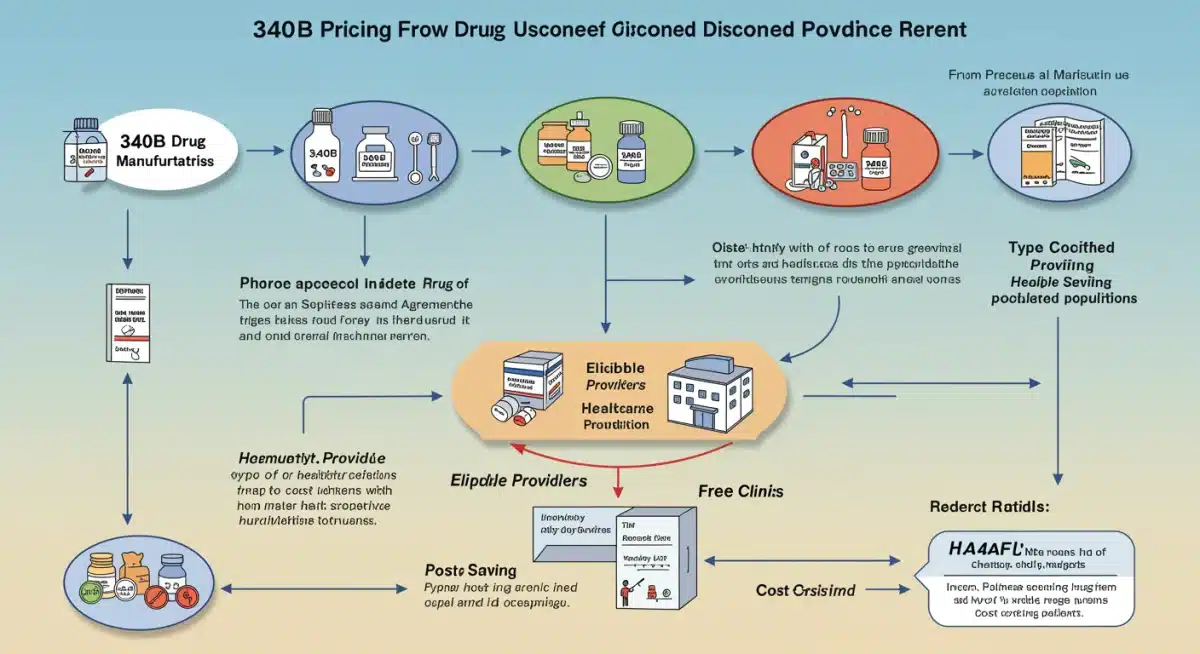
The overall goal of these adjustments is to reinforce the program’s ability to provide affordable medications. By clarifying rules and increasing transparency, regulators hope to reduce disputes between manufacturers and covered entities, which often translate into disruptions in patient access. A clearer framework should ultimately lead to more predictable and consistent access to discounted drugs.
Navigating Potential Changes
Patients should proactively engage with their healthcare providers and pharmacists to understand how these updates might affect their specific medication access. Staying informed about the policies of their chosen covered entity and any changes to their prescription fulfillment process will be key.
- Confirm eligibility with your healthcare provider.
- Understand the pharmacy options available through your covered entity.
- Inquire about patient assistance programs offered by your provider.
It is important to remember that the program’s fundamental purpose remains to assist those in need. While the administrative aspects may evolve, the commitment to affordable healthcare for vulnerable populations is unwavering. Patients should not hesitate to ask questions and seek clarification from their care teams.
Ultimately, the impact on patients will largely depend on how effectively covered entities adapt to the new regulatory environment and how smoothly manufacturers comply with the updated guidelines. The intention is to create a more stable and predictable program, ensuring that the benefits of 340B continue to reach those who need them most.
Role of Covered Entities in Adapting to New Rules
Covered entities are at the forefront of implementing the 2026 340B program updates. Their ability to successfully navigate these new rules will directly influence the continuity of affordable medication access for their patients. This adaptation will require a comprehensive review of their current practices, robust training for their staff, and potentially significant adjustments to their operational workflows.
One of the primary challenges for covered entities will be ensuring strict compliance with the clarified patient definition and contract pharmacy guidelines. This may involve enhancing their patient eligibility verification systems and strengthening oversight of their pharmacy partners. The goal is to avoid any instances of non-compliance that could jeopardize their participation in the program.
Operational Adjustments Required
Many entities will need to revise their internal policies and procedures to align with the new regulatory framework. This includes everything from how they track drug inventory to how they report their 340B savings and utilization. Technology solutions may play an increasingly important role in managing these complex requirements efficiently.
- Updating internal policies and procedures.
- Investing in compliance software and training.
- Strengthening partnerships with contract pharmacies.
Effective communication with patients about any changes to their prescription access will also be paramount. Covered entities must ensure that patients understand how to continue accessing their discounted medications without confusion or interruption, providing clear guidance and support throughout the transition.
The proactive engagement of covered entities in understanding and implementing these changes will be critical. Their dedication to maintaining program integrity while continuing to serve their patient populations is essential for the ongoing success of the 340B program in providing affordable medications.
Manufacturer Perspectives and Program Integrity
Pharmaceutical manufacturers have historically raised concerns about the growth and integrity of the 340B program. Their perspective often centers on the potential for drug diversion, duplicate discounts, and the argument that some covered entities may not be passing on sufficient savings to patients. The 2026 updates aim, in part, to address some of these long-standing issues from the manufacturer’s viewpoint.
Manufacturers have sought clearer definitions and stricter enforcement to ensure that the discounted drugs are used solely for eligible patients of covered entities. They argue that ambiguities in the program’s rules have led to practices that fall outside the original intent, impacting their revenues and the overall drug supply chain.
Addressing Manufacturer Concerns
The regulatory changes are an attempt to strike a balance between providing critical discounts to safety-net providers and ensuring a fair and transparent system for manufacturers. This includes efforts to clarify the ‘patient’ definition, especially concerning contract pharmacy arrangements, and to prevent duplicate discounts where a 340B discount and a Medicaid rebate are both applied to the same drug.
- Improved data sharing for transparency.
- Clearer guidance on contract pharmacy relationships.
- Enhanced audit processes to prevent misuse.
By addressing these concerns, the hope is to foster greater trust and cooperation between manufacturers and covered entities. A more stable and predictable program environment could ultimately benefit patients by reducing supply chain disruptions and ensuring consistent access to affordable drugs.
The dialogue between regulators, manufacturers, and covered entities is ongoing. These updates represent a step towards resolving some of the persistent tensions within the program, aiming for a system that is both effective in its mission and fair to all stakeholders involved in the complex drug pricing landscape.
Resources and Support for Patients and Providers
Navigating the complexities of the 340B Drug Pricing Program, especially with upcoming changes, can be challenging for both patients and healthcare providers. Fortunately, numerous resources and support systems are available to help understand the updates and ensure continued access to affordable medications. Staying informed and knowing where to turn for assistance is vital for all involved.
For patients, understanding their rights and options under the program is paramount. Covered entities are often the first point of contact and can provide specific guidance on how the 2026 updates might affect their prescriptions. Additionally, patient advocacy groups frequently offer valuable information and support.
Key Support Channels
Several organizations and government agencies offer detailed guidance on the 340B program. These resources can help covered entities ensure compliance and assist patients in understanding their benefits. Accessing accurate and up-to-date information is crucial for successful adaptation to the new rules.
- The Health Resources and Services Administration (HRSA) 340B website.
- National patient advocacy organizations specializing in medication access.
- Professional associations for covered entities, offering compliance tools.
Providers can also benefit from educational webinars, workshops, and peer-to-peer networks that share best practices for implementing the new regulations. These support channels facilitate a smoother transition and help maintain the integrity and effectiveness of the program.
For both patients and providers, proactive engagement with available resources is key to successfully navigating the evolving 340B landscape. The collective effort to understand and adapt to these changes will ensure that the program continues to serve its critical role in making healthcare more affordable.
Preparing for 2026: A Proactive Approach
As 2026 approaches, a proactive and informed approach is essential for all stakeholders involved in the 340B Drug Pricing Program. For patients, this means understanding how the recent updates might affect their access to affordable medications. For covered entities, it involves a thorough review of operations and compliance strategies. Manufacturers, too, must adapt to the clarified rules and enhanced transparency requirements.
The goal of these program updates is not to dismantle the 340B program but to strengthen its foundation, ensuring it continues to serve its intended purpose more effectively and equitably. By addressing long-standing concerns and clarifying ambiguous areas, regulators aim to create a more sustainable and robust system for providing discounted drugs to vulnerable populations.
Actionable Steps for Patients
Patients should consider several steps to ensure a smooth transition. This includes maintaining open communication with their healthcare providers, understanding their specific covered entity’s policies, and exploring all available patient assistance programs. Being informed empowers patients to advocate for their access to necessary medications.
- Regularly check for updates from your healthcare provider.
- Familiarize yourself with the 340B program’s basic principles.
- Utilize patient support resources for guidance and advocacy.
For covered entities, preparation involves detailed planning, staff training, and potential technology upgrades to meet the new compliance standards. This forward-thinking approach will minimize disruptions and ensure that the benefits of the 340B program continue to flow to their communities.
The collective effort of all parties—patients, providers, and manufacturers—in preparing for these changes will ultimately determine the program’s success in achieving its core mission: making affordable medications accessible to those who need them most in the United States.
| Key Aspect | Brief Description |
|---|---|
| Eligibility Clarifications | New guidelines for covered entities and patient definitions aim to enhance program integrity. |
| Contract Pharmacy Rules | Stricter oversight and clearer rules for pharmacies dispensing 340B discounted drugs. |
| Transparency & Reporting | Increased data sharing and reporting requirements for all program participants. |
| Patient Impact | Potential changes in access and verification processes for affordable medications. |
Frequently Asked Questions About 340B Updates
The 340B Program is a federal initiative requiring drug manufacturers to provide discounted outpatient drugs to eligible healthcare organizations. These organizations, called covered entities, primarily serve low-income and uninsured patients, using the savings to expand access to care and affordable medications.
While the goal is to maintain affordability, updates may introduce new verification steps for patients to access discounted drugs, especially through contract pharmacies. Patients should consult their providers to understand specific impacts on their prescription costs and access.
Covered entities are specific types of healthcare providers eligible to participate in the 340B program, such as disproportionate share hospitals, federally qualified health centers, and certain specialized clinics. They serve vulnerable patient populations and utilize 340B savings to support their mission.
Yes, but the 2026 updates include clearer rules for contract pharmacy arrangements. Patients might experience new eligibility verification processes at these pharmacies. It’s essential to confirm with your covered entity and pharmacy about any procedural changes.
The Health Resources and Services Administration (HRSA) website is the official source for 340B program information. Additionally, patient advocacy groups and your healthcare provider can offer valuable insights and support regarding the upcoming changes.
Conclusion
The Recent Updates to the 340B Drug Pricing Program: What Patients Need to Know for Affordable Medications in 2026 represent a significant evolution in a critical federal initiative. These changes, driven by a desire for greater transparency and program integrity, aim to ensure that the 340B program continues to effectively support vulnerable patients by providing access to affordable prescription drugs. While the transition may bring new administrative considerations for covered entities and possibly adjusted processes for patients, the core mission of reducing medication costs remains paramount. By staying informed, engaging with healthcare providers, and utilizing available resources, both patients and providers can navigate these updates successfully, safeguarding access to essential medications for communities across the United States.