Public Housing Application 2026: Reduce Wait Times by 20%

As we approach 2026, the landscape of public housing in the United States continues to evolve, presenting both challenges and opportunities for those seeking affordable and stable living arrangements. The demand for public housing consistently outstrips supply, leading to notoriously long wait times. However, with strategic planning, meticulous preparation, and a thorough understanding of the application process, it is possible to significantly reduce these wait times – potentially by 20% or more – and improve your chances of securing a home. This comprehensive guide is designed to walk you through every step of the public housing application process for 2026, offering insights and actionable advice to help you navigate this often-complex system.
Understanding the Public Housing Landscape in 2026
Public housing, primarily managed by local Public Housing Authorities (PHAs) and overseen by the U.S. Department of Housing and Urban Development (HUD), provides rental assistance to low-income families, the elderly, and persons with disabilities. The goal is to offer safe, decent, and affordable housing. While the core mission remains constant, policies, funding, and operational procedures can shift year to year, making it crucial to stay informed about the latest requirements for the public housing application.
The Challenge of Wait Times
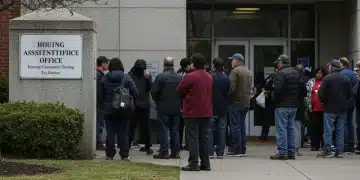
One of the most daunting aspects of applying for public housing is the waitlist. In many urban and even some rural areas, wait times can extend for several years, sometimes even a decade. This is due to a combination of high demand, limited funding for new units, and the slow turnover of existing units. Our goal with this guide is not to eliminate wait times entirely, which is often impossible, but to equip you with the knowledge to make your application as strong and efficient as possible, thereby moving you up the waitlist faster.
Key Changes and Considerations for 2026
While specific national policy changes for 2026 are still being formulated, applicants should anticipate a continued emphasis on:
- Digitalization: More PHAs are moving towards online application portals, requiring applicants to be comfortable with digital submissions and communication.
- Data Verification: Increased scrutiny on income, asset, and household composition verification to ensure resources are directed to those most in need.
- Community Partnerships: PHAs are increasingly collaborating with local social services to offer holistic support, including employment assistance, childcare, and healthcare referrals, which can indirectly impact application prioritization for certain programs.
- Homelessness Prioritization: Continued focus on addressing homelessness, which may lead to specific set-asides or expedited processing for individuals and families experiencing homelessness.
Staying abreast of these trends will be vital for anyone embarking on the public housing application journey in 2026.
Step-by-Step Guide to the Public Housing Application Process
Before you even begin to fill out a public housing application, it’s essential to understand if you meet the basic eligibility criteria. These are set by HUD but can have slight variations at the local PHA level.
Income Limits
Your family’s income must fall within certain limits set by HUD. These limits are based on the median income for your area and the size of your family. Generally, families must be considered ‘low-income’ (80% of the median income) or ‘very low-income’ (50% of the median income). Some programs specifically target ‘extremely low-income’ families (30% of the median income). These limits are updated annually, so you’ll need to check the most current figures for your specific location in 2026.
Citizenship or Eligible Immigrant Status
Applicants must be U.S. citizens or have eligible immigrant status. All household members will need to provide documentation to verify their status.
Family Definition
Public housing is typically available to ‘families,’ which HUD defines broadly to include single persons, elderly persons, disabled persons, and groups of individuals living together. The definition is inclusive, but you will need to clearly define your household composition.
Background Checks
PHAs conduct criminal background checks on all adult household members. Certain criminal activities, especially those related to drug-related crimes or violent offenses, can disqualify an applicant. Evictions from previous federal housing programs can also be a disqualifier.
Step 2: Locate Your Local Public Housing Authority (PHA)
Public housing programs are administered locally. You’ll need to apply through the PHA that serves the area where you wish to live. You can find your local PHA by visiting the HUD website or by performing a simple online search for “Public Housing Authority [Your City/County, State]”.
Step 3: Gather Necessary Documentation (The Key to Reducing Wait Times)
This is arguably the most critical step for expediting your public housing application. Having all your documents organized and ready *before* you apply can save weeks, if not months, in processing time. PHAs often send requests for additional documentation, and delays in providing these can significantly prolong your wait.
Essential Documents to Prepare:
- Proof of Identity: Government-issued photo ID (driver’s license, state ID, passport) for all adult household members. Birth certificates for all household members. Social Security cards for all household members.
- Proof of Citizenship/Eligible Immigrant Status: U.S. passport, birth certificate, naturalization papers, alien registration card, etc.
- Proof of Income: This is comprehensive and requires documentation for all sources of income for every household member. This includes:
- Employment: Recent pay stubs (typically 4-6 weeks), W-2 forms, employer contact information.
- Benefit Statements: Social Security (SSA), Supplemental Security Income (SSI), disability benefits, unemployment benefits, TANF (Temporary Assistance for Needy Families), food stamps (SNAP).
- Child Support/Alimony: Court orders, payment records.
- Pension/Retirement Income: Statements.
- Any other regular income.
- Proof of Assets: Bank statements (checking, savings, CDs), statements for stocks, bonds, real estate (if applicable), retirement accounts.
- Proof of Household Composition: Birth certificates for children, marriage certificates, divorce decrees, custody agreements.
- Proof of Disability (if applicable): Doctor’s letters, disability benefit statements.
- Previous Landlord Information: Names, addresses, and phone numbers of previous landlords for the last 3-5 years.
- Utility Bills: Recent utility bills (electricity, gas, water) to establish residency and payment history.
- Homelessness Verification (if applicable): Letters from shelters, social workers, or other agencies verifying your homeless status.
Pro Tip for 2026: Create a dedicated folder (physical and/or digital) for your public housing application documents. Label everything clearly. Consider making copies of all originals, as you may need to submit copies and present originals for verification.
Step 4: Complete the Application Form Accurately and Thoroughly
Once you have all your documents, you can obtain the public housing application form from your local PHA. Many PHAs now offer online applications, which can be more efficient. If applying online, ensure your internet connection is stable and save your progress frequently.
Common Pitfalls to Avoid:
- Incomplete Information: Every blank space on the application should be filled, even if it’s ‘N/A’ (not applicable). Incomplete applications are often rejected or sent back, causing significant delays.
- Inaccurate Information: Double-check all spellings, dates, and financial figures. Discrepancies can lead to disqualification or further investigation.
- Failure to Disclose All Income/Assets: This is a serious offense that can result in permanent disqualification from public housing programs. Be completely transparent.
- Missing Signatures: Ensure all required parties (e.g., all adult household members) sign the application where indicated.
If you have any questions while filling out the form, do not hesitate to contact your PHA directly for clarification. It’s better to ask than to submit an incorrect application.
Step 5: Submit Your Application
Submit your completed public housing application along with all required documentation. If submitting in person, ask for a dated receipt. If submitting online, ensure you receive a confirmation email or reference number. Keep this confirmation safe.
Step 6: The Interview Process
After your application is reviewed and if you meet the initial eligibility criteria, you may be invited for an interview. This is a crucial step where the PHA will verify the information provided in your application and gather any additional details. Be prepared to bring all original documents to this interview. The interview is also an opportunity for you to ask any questions you may have about the program or housing options.
Step 7: Background and Credit Checks
The PHA will conduct thorough background checks, including criminal history, and may also review your credit history to assess your financial responsibility, particularly regarding past rental payments. While a poor credit score alone may not disqualify you, a history of evictions or unpaid rent could be problematic.
Step 8: Placement on the Waitlist
Once your eligibility is confirmed and all checks are cleared, your name will be placed on the waitlist. The position on the waitlist is determined by various factors, including the date and time of application, and any applicable preferences (discussed below).
Step 9: Annual Reviews and Updates
Even after being placed on the waitlist, your situation may change. PHAs typically require annual updates of your income, household composition, and contact information. It is your responsibility to keep your information current. Failure to respond to requests for updates can result in your removal from the waitlist. This is a critical point for managing your public housing application effectively.
Strategies to Reduce Public Housing Wait Times by 20% in 2026
While waitlists are a reality, there are proactive steps you can take to improve your chances of being housed sooner. Aiming for a 20% reduction in wait time is an ambitious but achievable goal with these strategies:
1. Understand and Leverage Preferences
PHAs often grant preferences to certain applicants, which can move them higher on the waitlist. Common preferences include:
- Homelessness: Individuals or families experiencing homelessness.
- Victims of Domestic Violence: Those fleeing domestic violence.
- Elderly or Disabled: Senior citizens or persons with disabilities.
- Veterans: Former members of the armed forces.
- Local Residency: Applicants who live or work within the PHA’s jurisdiction.
- Involuntary Displacement: Displaced by government action or natural disaster.
- Substandard Housing: Living in housing that is unsafe or unhealthy.
Actionable Tip: Carefully review your local PHA’s preference policies. If you qualify for any, ensure you provide all necessary documentation to support your claim. This is one of the most effective ways to reduce your public housing application wait time.
2. Apply to Multiple PHAs (Where Permitted)
If you are willing to relocate, or if you live near the border of multiple PHA jurisdictions, consider applying to more than one PHA. Each PHA has its own waitlist, and some may have shorter wait times than others. Always check each PHA’s specific rules regarding multiple applications.
3. Maintain Impeccable Communication and Responsiveness
As mentioned, PHAs will periodically contact you for updates or additional information. Respond promptly and thoroughly to all communications. Ensure your contact information (phone number, email, mailing address) is always current with the PHA. Missing a crucial letter or phone call can lead to your application being withdrawn. Set up reminders for annual updates.
4. Explore Specific Programs Beyond Traditional Public Housing
While this guide focuses on the traditional public housing application, PHAs often administer other programs with potentially shorter waitlists or different eligibility criteria:
- Housing Choice Voucher Program (Section 8): This program provides vouchers to eligible low-income families to help them afford housing in the private market. Waitlists can be long, but sometimes different from public housing waitlists.
- Project-Based Vouchers: These vouchers are attached to specific housing units, not to the individual. If you qualify for a unit with project-based assistance, you receive the subsidy while living in that particular unit.
- Special Needs Housing: Programs specifically for the elderly, disabled, or those with chronic homelessness.
Actionable Tip: Inquire with your PHA about all available housing assistance programs and apply to any for which you are eligible. This broadens your opportunities.
5. Attend Information Sessions and Workshops
Many PHAs and community organizations host workshops or information sessions about the housing application process. Attending these can provide invaluable insights, clarify requirements, and sometimes even offer opportunities for direct assistance with your application. This proactive engagement can differentiate your public housing application.
6. Seek Assistance from Housing Counselors or Non-Profits
Non-profit organizations specializing in housing assistance, as well as HUD-approved housing counseling agencies, can provide free or low-cost guidance. They can help you understand eligibility, prepare your documents, and navigate the application process. Their expertise can be instrumental in ensuring your public housing application is complete and accurate, thereby reducing potential delays.
7. Maintain a Clean Record
As background checks are standard, maintaining a clean criminal record and a positive rental history is paramount. Avoid any actions that could lead to an eviction or criminal charges, as these will severely jeopardize your chances of being approved for public housing.
8. Be Persistent and Patient
While we aim to reduce wait times by 20%, patience is still a virtue. The system can be slow, but by following the steps outlined above and being persistent in your follow-ups (without being overly burdensome), you increase your chances. Remember to keep a record of all communications with the PHA.
Beyond the Application: What Happens When You’re Offered Housing?
Congratulations! If you receive an offer of housing, it’s important to understand the next steps:
Lease Agreement
You will sign a lease agreement with the PHA. This is a legally binding document outlining your responsibilities as a tenant, including rent payment, maintenance, and rules of occupancy. Read it carefully.
Rent Calculation
Your rent in public housing is typically calculated based on a percentage of your adjusted gross income, usually around 30%. The PHA will re-verify your income and expenses to determine your exact rent payment.
Recertification
Once you are housed, you will undergo annual recertification. This process is similar to the initial application, requiring you to provide updated income, asset, and household information. This ensures that your rent is adjusted appropriately and that you continue to meet eligibility requirements. Failing to complete recertification can lead to eviction.
Tenant Responsibilities
As a public housing tenant, you have responsibilities, including:
- Paying rent on time.
- Keeping your unit clean and safe.
- Notifying the PHA of any needed repairs.
- Allowing the PHA access for maintenance and inspections (with proper notice).
- Abiding by the terms of your lease.
Looking Ahead to 2026 and Beyond
The demand for affordable housing continues to grow, and while the public housing application process can be challenging, it remains a vital lifeline for many. Policy discussions around increasing funding for public housing, streamlining application processes, and expanding housing options are ongoing. Staying informed through reliable sources like HUD and your local PHA website will always be beneficial.
By diligently preparing your documents, understanding eligibility and preferences, communicating effectively, and exploring all available avenues, you can significantly enhance your prospects of securing public housing in 2026 and potentially reduce your wait time by the targeted 20% or more. Your journey towards stable and affordable housing begins with a well-prepared and informed public housing application.
Remember, this guide is a general overview. Always consult your specific local Public Housing Authority for the most accurate and up-to-date information relevant to your area. Good luck with your application!