Navigating New Short-Term Health Plan Regulations in 2026

Navigating New Short-Term Health Plan Regulations in 2026: What You Need to Know
The world of healthcare coverage is constantly evolving, and for many Americans seeking flexible and often more affordable options, short-term health plans 2026 are a critical consideration. However, significant regulatory changes are on the horizon, set to take effect in 2026, which will profoundly impact how these plans are structured, marketed, and utilized. Understanding these new regulations is not just important; it’s essential for making informed decisions about your health and financial well-being. This comprehensive guide will delve deep into what these changes entail, how they differ from previous years, and what you should look out for before choosing a short-term health plan.
For years, short-term, limited-duration insurance (STLDI) plans have served as a temporary bridge for individuals transitioning between jobs, waiting for open enrollment, or seeking a more budget-friendly alternative to comprehensive Affordable Care Act (ACA) plans. While they offer lower premiums, they historically come with fewer benefits, pre-existing condition exclusions, and limited coverage duration. The new rules aim to address some of these long-standing concerns, primarily by reining in their duration and increasing transparency. This article will equip you with the knowledge to confidently navigate the complexities of short-term health plans 2026 and ensure you select coverage that truly meets your needs.
Understanding the Shifting Landscape of Short-Term Health Plans 2026
The regulatory environment surrounding short-term health plans has been a subject of continuous debate and adjustments. Historically, these plans were intended for truly temporary situations, offering a stopgap for unexpected gaps in coverage. However, in recent years, some policies allowed for durations that could stretch for nearly a year or even longer with renewals, leading to concerns about consumers mistaking them for comprehensive coverage. The Biden administration’s new rules, finalized in 2024, are designed to realign these plans with their original purpose and protect consumers from potentially inadequate coverage.
The core of these new regulations focuses on several key areas: the maximum duration of coverage, the ability to renew these plans, and the clarity of information provided to consumers. These changes are not minor tweaks; they represent a significant shift that will redefine the role of short-term health plans 2026 in the broader healthcare market. Consumers who have previously relied on these plans for extended periods will need to re-evaluate their options, and those considering them for the first time must be acutely aware of the new limitations and requirements. It’s no longer just about finding a cheap premium; it’s about understanding the true scope and limitations of the coverage you’re purchasing.
Key Regulatory Changes Affecting Short-Term Health Plans 2026
Let’s break down the most impactful changes you’ll encounter with short-term health plans 2026:
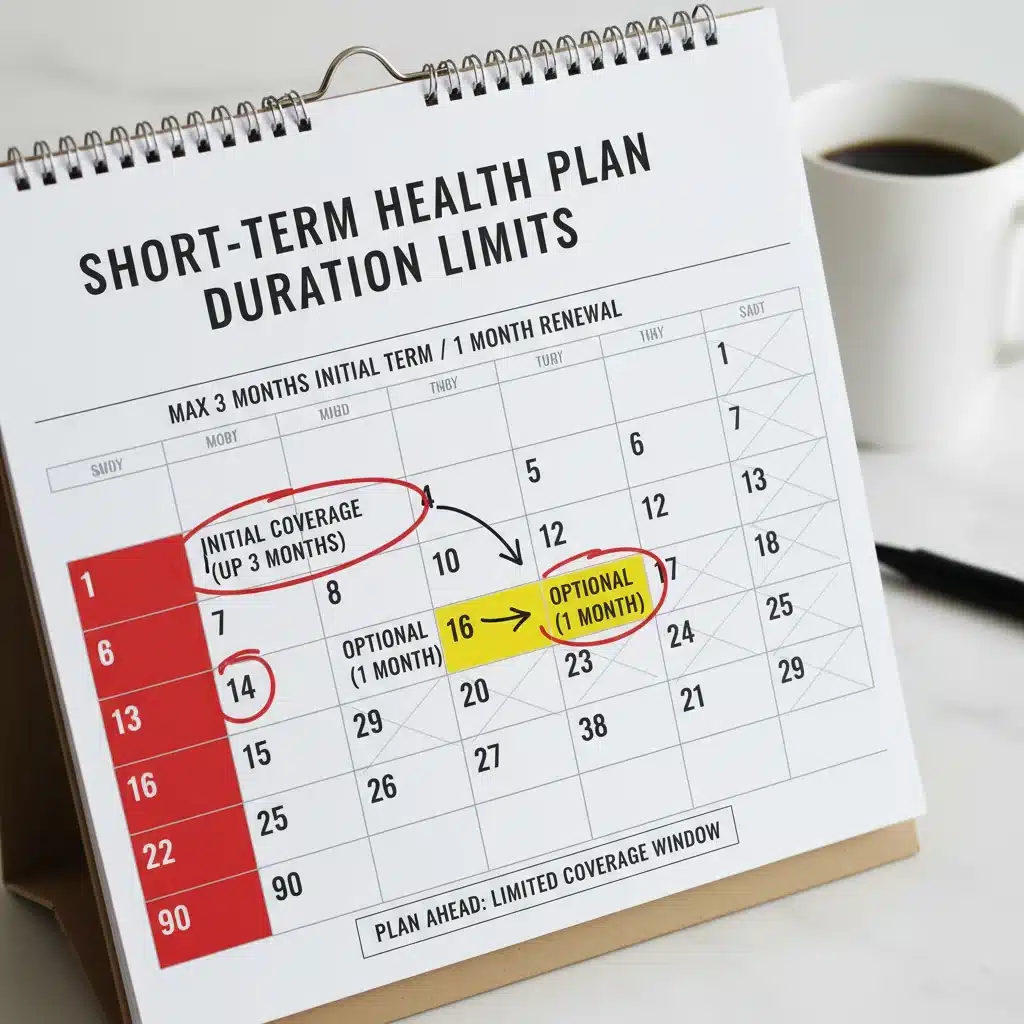
- Maximum Coverage Duration: Perhaps the most significant change is the reduction in the maximum allowable coverage period. Under the new rules, short-term plans will be limited to an initial contract period of no more than three months. This is a stark contrast to previous regulations that, at times, allowed initial terms of up to 364 days. This change directly addresses concerns that longer-duration short-term plans were being marketed as substitutes for comprehensive ACA-compliant coverage.
- Renewal Limitations: In conjunction with the reduced initial term, the new regulations also impose stricter limits on renewals. While a plan might be renewable, the total duration of coverage, including any renewals, cannot exceed four months. This means that even with renewals, a short-term plan will provide coverage for a much shorter period than before. This restriction is crucial for ensuring that these plans remain temporary solutions and do not become long-term alternatives to more robust insurance options.
- Enhanced Consumer Disclosures: Transparency is a major theme of the new regulations. Issuers of short-term health plans 2026 will be required to provide clear and prominent disclosures to consumers. These disclosures must explicitly state that the plan is not comprehensive health insurance, does not offer the same consumer protections as ACA-compliant plans, and may not cover essential health benefits or pre-existing conditions. The goal is to prevent consumers from inadvertently purchasing inadequate coverage due to misleading marketing.
- Prohibition on Medical Underwriting in Renewals: While short-term plans typically involve medical underwriting upon initial application (meaning they can deny coverage or charge more based on health history), the new rules aim to prevent further underwriting upon renewal for plans that offer a renewal option within the four-month maximum. This provides a small but important layer of stability for those who do renew their coverage within the limited timeframe.
These changes collectively aim to differentiate short-term health plans 2026 more clearly from ACA-compliant plans and ensure they are used as intended: as a temporary bridge, not a long-term solution. For consumers, this means a heightened awareness of the temporary nature and limited scope of these plans will be paramount.
Why These Changes Matter for Your Healthcare Decisions
The new regulations for short-term health plans 2026 have far-reaching implications for individuals and families considering their healthcare options. Understanding these impacts is crucial for making smart choices that protect both your health and your finances.
Impact on Duration and Continuity of Care
With the maximum coverage period significantly shortened to three months initially, and four months with renewals, the primary impact will be on the continuity of care. If you previously relied on short-term plans for longer periods, you’ll find this is no longer a viable strategy. This means you will need to plan your healthcare coverage transitions more carefully. For instance, if you are between jobs, a three-month plan might cover your immediate needs, but you’ll need a clear plan for what comes next, whether it’s an employer-sponsored plan, an ACA marketplace plan, or COBRA.
This limitation also highlights the importance of open enrollment periods for ACA plans. If your short-term plan expires outside of an open enrollment period, you might find yourself without a seamless transition to comprehensive coverage, unless you qualify for a special enrollment period due to a qualifying life event. This emphasizes the need for proactive planning and understanding the enrollment windows for different types of insurance.
Coverage Gaps and Essential Health Benefits
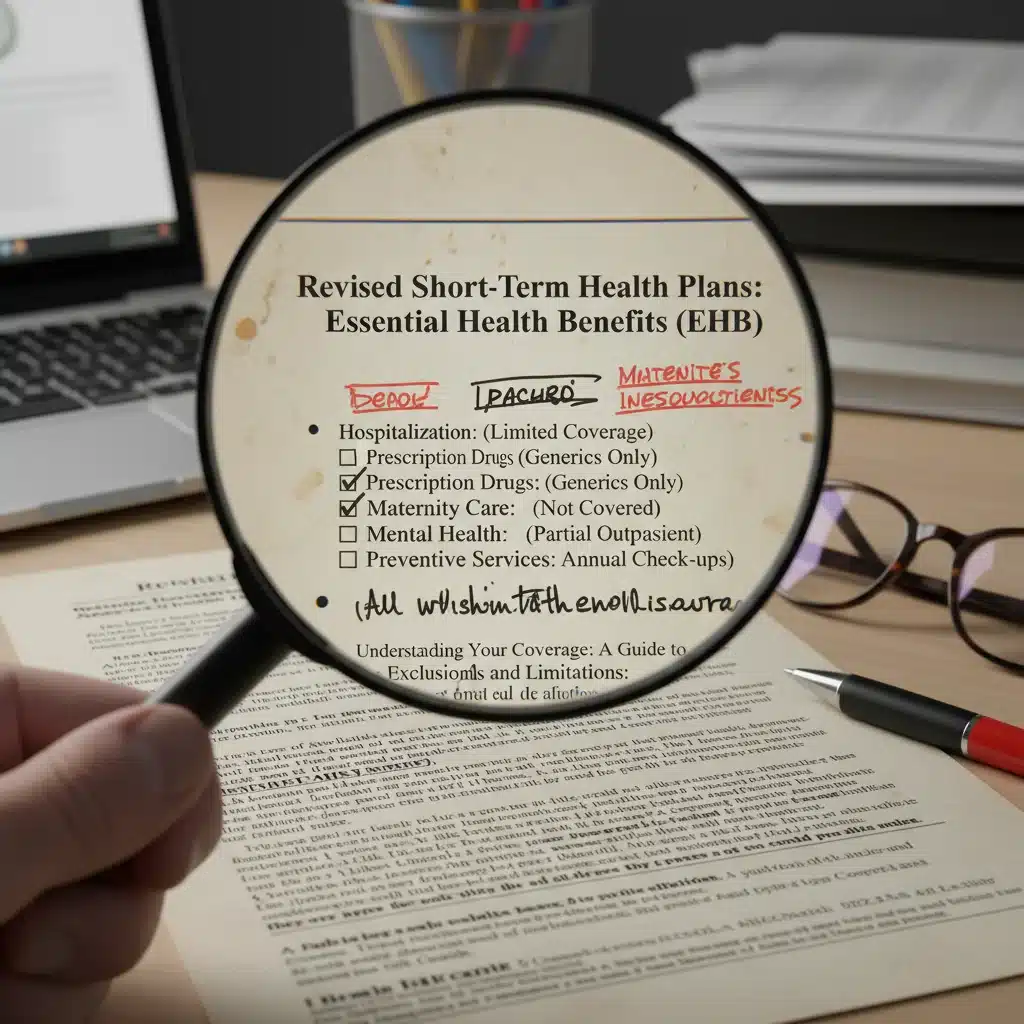
One of the most critical aspects of short-term health plans 2026 that remains largely unchanged by these regulations is their exclusion from the essential health benefits (EHBs) requirements of the ACA. ACA-compliant plans must cover ten categories of EHBs, including maternity care, mental health services, prescription drugs, and preventive care, without annual or lifetime limits. Short-term plans are not required to cover these benefits, and many do not, or they cover them very minimally.
The shortened duration of these plans, combined with the lack of EHBs, means that while they might cover unexpected medical emergencies, they are unlikely to provide comprehensive coverage for ongoing health needs, chronic conditions, or preventive care. This could lead to significant out-of-pocket costs if you require services not covered by your short-term plan. For example, if you become pregnant, need extensive mental health support, or are diagnosed with a chronic illness, a short-term plan will likely offer very limited or no coverage for these crucial services.
Pre-existing Conditions and Medical Underwriting
Unlike ACA plans, which cannot deny coverage or charge more based on pre-existing conditions, short-term health plans 2026 continue to utilize medical underwriting. This means that if you have a pre-existing condition, you could be denied coverage, or your plan might explicitly exclude coverage for that condition. The new regulations do not alter this fundamental aspect of short-term plans.
This is a vital point of distinction. If you have any health conditions, even minor ones, a short-term plan might not be a suitable option, as it could leave you with substantial medical bills for conditions you already have. The enhanced disclosures will aim to make this clearer, but the responsibility ultimately falls on the consumer to understand these limitations before purchasing.
Who Should (and Shouldn’t) Consider Short-Term Health Plans 2026?
Given the new regulations and inherent limitations, it’s more important than ever to carefully assess if a short-term health plan 2026 is the right choice for your specific situation.
Ideal Candidates for Short-Term Health Plans
- Individuals in Transition: This is the classic use case. If you’re graduating from college and waiting for employer-sponsored coverage to begin, or if you’ve recently left a job and are awaiting new benefits, a short-term plan can provide a temporary safety net for unexpected medical emergencies.
- Healthy Individuals with a Clear End Date for Coverage Gap: If you are generally healthy, have no pre-existing conditions, and know exactly when your comprehensive coverage will start (e.g., a few weeks or months before a new job’s benefits kick in), a short-term plan can offer peace of mind during that brief interim.
- Those Seeking Catastrophic Coverage Only: If your primary concern is protection against a major, unforeseen medical emergency (like an accident or sudden severe illness) and you understand and accept that routine care, chronic condition management, and many other services will not be covered, a short-term plan might align with your risk tolerance for a very limited period.
When Short-Term Health Plans Are NOT Advisable
- Individuals with Pre-existing Conditions: If you have any ongoing health issues, chronic illnesses, or are taking regular medications, a short-term plan is almost certainly not appropriate. It will likely exclude coverage for your condition, leaving you with significant out-of-pocket costs.
- Families or Individuals Needing Comprehensive Care: If you expect to need services like maternity care, mental health services, prescription drugs, or regular specialist visits, a short-term plan will fall short. These plans do not meet the standards of comprehensive coverage.
- Those Seeking Long-Term Coverage: The new regulations explicitly limit these plans to very short durations. If you need coverage for more than a few months, you must explore ACA marketplace plans, employer-sponsored insurance, or other long-term options.
- Individuals Who Qualify for Subsidies on the ACA Marketplace: Many people qualify for premium tax credits and cost-sharing reductions on the ACA marketplace, which can significantly lower the cost of comprehensive plans. If you are eligible for these subsidies, an ACA plan will almost always offer better value and protection than a short-term plan, even if the sticker price seems higher initially.
Alternatives to Short-Term Health Plans 2026
Given the limitations of short-term health plans 2026, it’s crucial to be aware of other viable options that may offer more comprehensive and stable coverage, especially if you need care for longer periods or have specific health needs.
Affordable Care Act (ACA) Marketplace Plans
ACA-compliant plans are the gold standard for comprehensive health insurance in the individual market. They offer guaranteed coverage regardless of pre-existing conditions, cover essential health benefits, and cannot impose annual or lifetime limits on coverage. Crucially, many individuals and families qualify for significant financial assistance (subsidies) to help pay for premiums and out-of-pocket costs, making these plans surprisingly affordable for a large segment of the population. If you’re considering a short-term plan, always check your eligibility for ACA subsidies first through Healthcare.gov or your state’s marketplace.
Medicaid
Medicaid provides free or low-cost health coverage to millions of Americans, including eligible low-income adults, children, pregnant women, elderly adults, and people with disabilities. Eligibility varies by state, especially for adults without children, as some states have expanded their Medicaid programs under the ACA and others have not. If your income is below a certain threshold, Medicaid could be your best option for comprehensive health coverage.
COBRA
If you’ve recently left a job where you had employer-sponsored health insurance, COBRA (Consolidated Omnibus Budget Reconciliation Act) allows you to continue your previous group health coverage for a limited time, typically 18 months. While COBRA can be expensive because you pay the full premium plus an administrative fee, it offers the exact same comprehensive benefits you had before, without any new waiting periods or exclusions for pre-existing conditions. It’s often a good option for short-term gaps, especially if you anticipate new employer coverage soon.
Employer-Sponsored Plans
For most Americans, employer-sponsored health insurance remains the primary source of comprehensive coverage. If you are employed, always explore your employer’s offerings. These plans often come with employer contributions to premiums, making them more affordable than individual market options.
Student Health Plans
If you are a student, check if your educational institution offers a student health plan. These plans are often ACA-compliant and designed to meet the specific needs of students, providing comprehensive coverage at a reasonable cost.
Making an Informed Choice in 2026
Choosing health insurance is one of the most important financial and personal decisions you’ll make. With the new regulations for short-term health plans 2026, the need for careful consideration and due diligence is even greater. Here are key steps to ensure you make an informed choice:
- Assess Your Needs: Honestly evaluate your health status, anticipated medical needs (including preventive care, medications, and potential specialist visits), and financial situation. Do you have pre-existing conditions? Do you plan to start a family? How long do you need coverage?
- Understand the Limitations: If you are considering a short-term plan, read all disclosures carefully. Understand what is NOT covered. Pay close attention to exclusions for pre-existing conditions, limitations on essential health benefits, and the exact duration of coverage and renewal options.
- Compare All Options: Do not just look at the premium. Compare the total out-of-pocket costs (deductibles, co-pays, co-insurance, out-of-pocket maximums) across different types of plans. Use comparison tools available on government websites and reputable insurance brokers.
- Check for Subsidies: Always check your eligibility for financial assistance on the ACA marketplace. Many people underestimate their eligibility and miss out on significantly more affordable comprehensive coverage.
- Consider the “What Ifs”: Think about potential health scenarios. What if you get sick? What if you have an accident? What if you’re diagnosed with a chronic condition? Will your chosen plan adequately protect you financially and ensure access to necessary care?
- Seek Expert Advice: If you’re unsure, consult with a licensed insurance broker or navigator who can help you understand your options and guide you through the enrollment process. They can provide personalized advice based on your unique circumstances.
The Future Landscape of Health Coverage
The regulatory changes for short-term health plans 2026 are part of a broader effort to strengthen the ACA and ensure that Americans have access to comprehensive, affordable health insurance. While short-term plans will continue to exist, their role is being more clearly defined as a very temporary solution, not a substitute for robust coverage. This shift empowers consumers by providing clearer distinctions between different types of plans and encouraging a more informed approach to healthcare decisions.
As we move closer to 2026, it’s anticipated that there will be continued emphasis on educating consumers about their options and the differences between various health insurance products. The goal is to minimize instances where individuals find themselves underinsured, facing unexpected medical bills because they unknowingly purchased a plan that didn’t meet their needs. Staying informed, asking questions, and thoroughly researching your options will be your best defense against inadequate coverage.
Conclusion
The new regulations for short-term health plans 2026 mark a significant turning point in the individual health insurance market. With stricter limits on duration and enhanced disclosure requirements, these plans will revert to their intended purpose as a very temporary bridge for specific, short-term coverage gaps. For consumers, this means a heightened responsibility to understand the nuances of their health coverage choices. While short-term plans might seem appealing due to lower upfront costs, their inherent limitations regarding pre-existing conditions, essential health benefits, and now duration, necessitate a cautious approach.
Before opting for a short-term plan in 2026, thoroughly evaluate your health needs, financial situation, and the availability of more comprehensive alternatives like ACA marketplace plans (especially with subsidies), Medicaid, or COBRA. Making an informed decision will ensure that you have the appropriate level of protection, safeguarding both your health and your financial stability in the evolving landscape of healthcare. Don’t let a seemingly low premium lead you to inadequate coverage; prioritize comprehensive protection that truly meets your needs.