Decoding Hospital Billing: 4 Strategies to Lower Your Out-of-Pocket Medical Expenses in 2026

Decoding Hospital Billing: 4 Strategies to Lower Your Out-of-Pocket Medical Expenses in 2026
Navigating the labyrinthine world of hospital billing can feel like an insurmountable challenge, especially when you’re already recovering from a medical event. The opaque pricing, complex codes, and often overwhelming numbers can leave patients feeling helpless and financially vulnerable. As we look towards 2026, healthcare costs continue their upward trajectory, making it more critical than ever to understand how to manage and reduce your out-of-pocket medical expenses. This comprehensive guide will equip you with four powerful strategies to proactively tackle hospital billing, ensuring you don’t pay a penny more than you owe.
The healthcare landscape is constantly evolving, with new regulations, insurance plans, and billing practices emerging regularly. What remains constant, however, is the patient’s need for transparency and fairness. Many individuals assume their hospital bill is non-negotiable, a fixed cost they must bear. This is a common misconception that often leads to overpaying. By understanding your rights, knowing what to look for, and employing proven tactics, you can significantly impact your financial burden. Let’s delve into the strategies that will empower you in 2026 and beyond.
Strategy 1: Proactive Engagement and Price Transparency Before Treatment
The best defense against exorbitant hospital bills is a good offense. Many patients wait until after receiving care to address billing concerns, but the most effective strategy begins long before any procedure or admission. Proactive engagement and leveraging price transparency tools are paramount to controlling your out-of-pocket medical expenses.
In 2026, the push for price transparency in healthcare is stronger than ever. Hospitals are increasingly required to provide clear, accessible pricing information for services. However, simply having this data available isn’t enough; you need to know how to use it. Before undergoing any non-emergency procedure, surgery, or even a series of diagnostic tests, make it a priority to ask for an itemized estimate of costs. This isn’t just about the hospital’s charges; it’s about understanding the full financial picture, including physician fees, anesthesia, lab work, and facility fees. Each of these can come from different entities, leading to multiple bills for a single event.
Understanding Your Insurance Coverage and Benefits
Your health insurance policy is your first line of defense. Before any planned medical service, contact your insurance provider to understand your benefits thoroughly. Key terms to familiarize yourself with include your deductible, co-insurance, co-pay, and out-of-pocket maximum. Knowing where you stand with these figures will give you a clear idea of your potential financial responsibility. Ask specific questions:
- Is the specific procedure or service covered?
- What is my estimated out-of-pocket cost for this service, given my deductible and co-insurance?
- Are all providers involved in this service (e.g., surgeons, anesthesiologists, radiologists) in-network?
- Do I need a pre-authorization for this service? If so, has it been obtained?
An often-overlooked aspect is the potential for ‘surprise billing’ or ‘balance billing,’ where out-of-network providers are involved in an in-network facility, leading to unexpected charges. While legislation like the No Surprises Act aims to protect consumers, it’s always wise to confirm the network status of all potential providers beforehand. Request a list of all healthcare professionals who will be involved in your care and verify their network status with your insurer.
Leveraging Hospital Price Transparency Tools
Federal regulations now mandate that hospitals publish their standard charges online. While these chargemaster lists can be complex, many hospitals also offer patient-friendly price estimator tools. Utilize these tools to get an estimate for common procedures. Don’t stop there; compare prices across different hospitals in your area for the same service. You might be surprised at the significant variation in costs, even for identical procedures. This comparison can be a powerful negotiation tool or guide you to a more affordable facility if feasible.
When requesting an estimate, be specific. Provide the exact CPT (Current Procedural Terminology) codes if you have them, or a detailed description of the service. Ensure the estimate includes all potential fees. Get this estimate in writing whenever possible. This document serves as a crucial reference point should discrepancies arise later in your hospital billing process.
Negotiating Before Service
Believe it or not, you can often negotiate prices with hospitals and providers before receiving care, especially if you are uninsured or have a high-deductible plan. If you’ve compared prices and found a more affordable option, or if the estimated cost seems exceptionally high, don’t hesitate to discuss payment options and potential discounts with the hospital’s financial counseling department. They may offer cash pay discounts, payment plans, or even financial assistance programs based on income. Being proactive and transparent about your financial situation can open doors to significant savings, directly impacting your out-of-pocket medical expenses.
Strategy 2: Scrutinizing Your Hospital Bill for Errors and Discrepancies
Once you receive a hospital bill, the work of reducing your out-of-pocket medical expenses is far from over. In fact, this is where many patients find significant opportunities for savings. Medical billing is notoriously complex and prone to errors. Studies consistently show a high percentage of medical bills contain mistakes, ranging from minor coding errors to charges for services never rendered. Your second crucial strategy is to meticulously scrutinize every line item on your hospital bill.
Request an Itemized Bill
The first step in this strategy is to never pay a hospital bill that only lists a lump sum. Always request a detailed, itemized bill. This document should break down every service, medication, supply, and procedure with corresponding codes and charges. Hospitals are required to provide this upon request. Without an itemized bill, it’s impossible to verify the accuracy of the charges.
Common Billing Errors to Look For
Once you have your itemized bill, treat it like a detective’s case file. Here are some of the most common errors to identify:
- Duplicate Charges: Look for the same service or item charged multiple times. This can happen with medications, lab tests, or even daily room charges.
- Upcoding: This occurs when a less expensive service is billed as a more expensive one. For example, a standard office visit might be coded as an emergency room visit.
- Canceled Services: Charges for tests or procedures that were ordered but never performed or were canceled.
- Incorrect Doses/Quantities: Especially for medications, ensure the billed quantity matches what you actually received.
- Charges for Unused Items: Sometimes, medical supplies that were brought into your room but never used are still charged.
- Incorrect Patient Information: Simple administrative errors, like a wrong insurance ID or date of birth, can lead to claim rejections and incorrect billing.
- Services Not Rendered: The most egregious error, where you are billed for a service you simply did not receive.
- Bundling Issues: Some services should be ‘bundled’ together and charged as one, but are incorrectly unbundled and charged separately.
Cross-reference your itemized bill with any medical records you have, such as discharge summaries or notes from your doctor. If you kept a personal log of medications or services during your stay, refer to that as well. Don’t be afraid to ask for clarification on any charge you don’t understand, especially complex medical codes.

Comparing with Explanation of Benefits (EOB)
Your insurance company will send you an Explanation of Benefits (EOB) after processing a claim. This is not a bill, but a summary of what your insurance covered, what they didn’t, and why. Compare your hospital’s itemized bill with your EOB. Look for discrepancies between what the hospital billed and what your insurance agreed to pay. If your EOB shows a service was denied or not covered, understand the reason. Sometimes, the denial is due to a billing error on the hospital’s part (e.g., incorrect coding or lack of prior authorization) rather than a lack of coverage from your plan.
This careful comparison is vital for identifying errors that could inflate your out-of-pocket medical expenses. Any inconsistencies should be flagged for further investigation.
Strategy 3: Negotiating Your Hospital Bill and Seeking Financial Assistance
Once you’ve identified errors or simply find the remaining balance to be unmanageable, it’s time to engage in negotiation. Many patients are unaware that hospital bills are often negotiable. Hospitals, like any business, prefer to receive some payment rather than none, and they often have programs in place to assist patients. This strategy is crucial for reducing your out-of-pocket medical expenses significantly.
Contacting the Hospital Billing Department
Your first point of contact should be the hospital’s billing department. Be polite but firm. Clearly state that you are calling to discuss your bill and any discrepancies you’ve found. Have your itemized bill, EOB, and notes ready. Document everything: the date of your call, the name of the representative, what was discussed, and any agreed-upon actions or deadlines.
When negotiating, focus on the errors first. If you’ve found duplicate charges or services not rendered, demand their removal. If the hospital acknowledges an error, ensure they send you a revised bill reflecting the correction. Do not pay the original bill if errors are present.
Seeking Discounts and Financial Aid
Even if your bill is accurate, you still have options. Many hospitals offer discounts for prompt payment, especially if you can pay a significant portion of the bill upfront. Ask if they have a ‘cash pay’ or ‘prompt pay’ discount, even if you have insurance. Sometimes, the discounted cash price can be lower than your insurance co-pay or deductible amount. It’s worth asking.
Furthermore, most non-profit hospitals (which constitute the majority of hospitals in the U.S.) are required to offer financial assistance programs, often called ‘charity care.’ These programs are designed to help low-income or uninsured patients reduce or even eliminate their medical debt. Eligibility is usually based on income relative to the federal poverty level, but policies vary. Don’t assume you won’t qualify. Inquire about their financial assistance policy and application process. Be prepared to provide financial documentation, such as tax returns or pay stubs.
You can also negotiate the total amount owed. Hospitals often have different pricing structures for insured and uninsured patients. If you’re struggling to pay, explain your situation. They may be willing to reduce the total balance, especially if you offer to pay a lump sum or commit to a structured payment plan. Aim for a reduction of 20-30% or more, as the initial billed amount is often significantly inflated.
Setting Up a Payment Plan
If a significant lump sum payment isn’t feasible, negotiate a manageable payment plan. Hospitals are usually open to this, as it guarantees they will eventually receive payment. Ensure the payment plan is interest-free and that the monthly installments are affordable for your budget. Get the terms of the payment plan in writing.
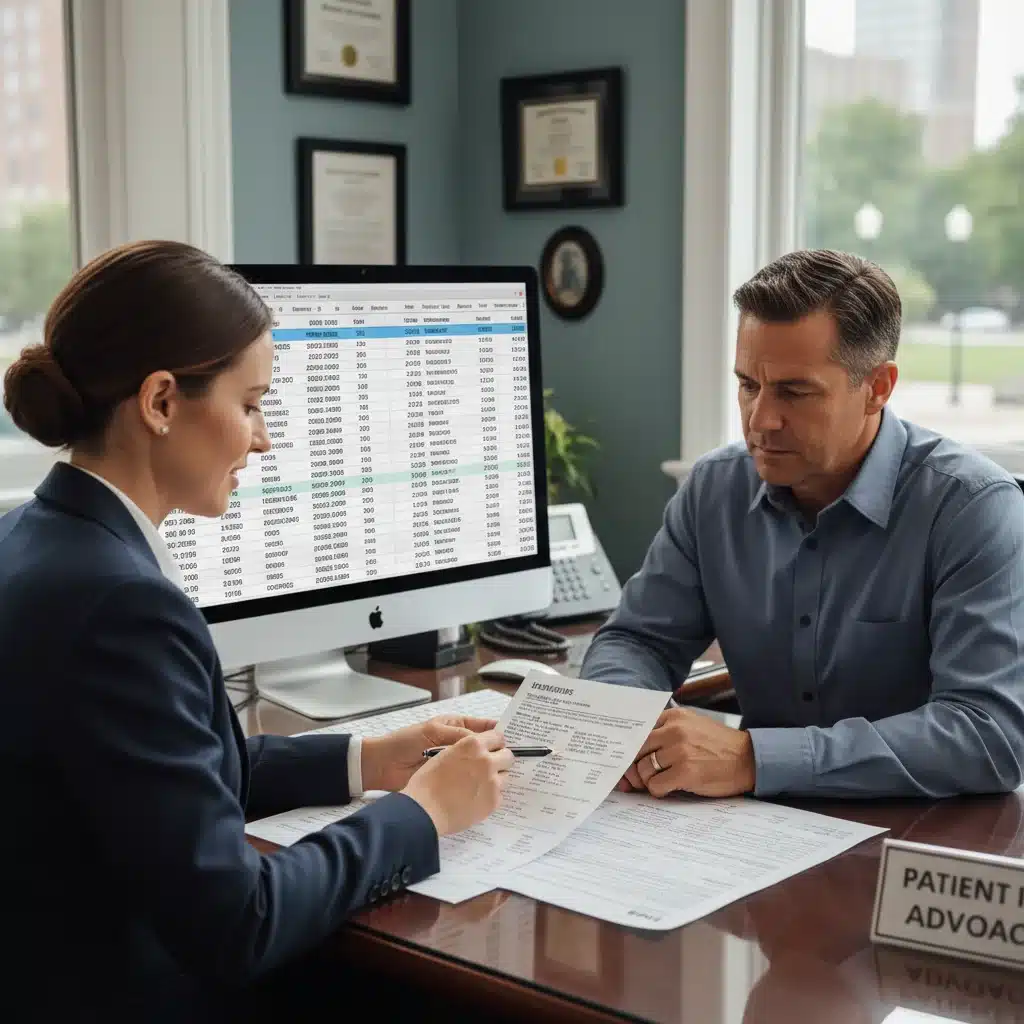
Strategy 4: Leveraging External Help and Patient Advocacy
Sometimes, navigating the complexities of hospital billing requires more than individual effort. When you hit a wall with the hospital’s billing department, or if the process feels too overwhelming, external help and patient advocacy can be invaluable. This final strategy can be a game-changer in further reducing your out-of-pocket medical expenses.
Hiring a Medical Bill Advocate
Medical bill advocates are professionals who specialize in reviewing medical bills, identifying errors, negotiating with providers and insurance companies, and appealing denials. They understand the intricacies of medical coding, hospital pricing, and insurance policies far better than the average consumer. For a fee (often a percentage of the savings they achieve), an advocate can take over the entire process, saving you time, stress, and potentially a lot of money. This can be particularly beneficial for large or highly complex bills.
When choosing an advocate, look for someone with certifications (e.g., from the Alliance of Professional Health Advocates) and positive client testimonials. Discuss their fee structure upfront and ensure it aligns with your expectations. A good advocate can often uncover hidden savings that you might never find on your own, making their service a worthwhile investment.
Contacting Your State’s Department of Insurance or Attorney General
If you believe you’ve been unfairly billed, or if the hospital is unresponsive to your legitimate concerns, you can escalate the issue. Your state’s Department of Insurance (for insurance-related complaints) or Attorney General’s office (for broader consumer protection issues) might have a division dedicated to healthcare billing complaints. They can mediate disputes and investigate potential violations of billing laws or patient rights. Filing a complaint can sometimes prompt a hospital to re-evaluate your bill more favorably.
Utilizing Independent Dispute Resolution (IDR)
The No Surprises Act, effective in 2022, established an Independent Dispute Resolution (IDR) process for certain out-of-network bills. If you receive a surprise bill from an out-of-network provider for emergency services or certain non-emergency services at an in-network facility, you have the right to challenge that bill through IDR. This process allows an independent third party to determine the appropriate payment amount, often resulting in a lower out-of-pocket cost for the patient. Understand when and how to invoke your IDR rights.
Leveraging Social Media and Media Attention (Use with Caution)
While not a primary strategy, sometimes publicizing egregious billing practices on social media or contacting local news outlets can pressure hospitals to resolve disputes. This should be used as a last resort and with careful consideration, as it can be a double-edged sword. However, the fear of negative publicity can sometimes be a powerful motivator for large institutions to address patient grievances quickly and favorably.
The Future of Hospital Billing and Your Role in 2026
As we move further into 2026, the landscape of hospital billing will continue to evolve. Technology will play an increasing role in both billing and patient education. Artificial intelligence and machine learning are being deployed to identify billing errors more efficiently, and digital tools for price comparison and bill management will become more sophisticated. However, despite these advancements, the fundamental responsibility for scrutinizing bills and advocating for fair pricing will remain with the patient.
The strategies outlined above – proactive engagement, meticulous scrutiny, confident negotiation, and leveraging external help – are not just reactive measures; they are essential components of informed healthcare consumerism. By adopting these approaches, you empower yourself to navigate the complex world of hospital billing, protect your financial well-being, and significantly lower your out-of-pocket medical expenses. Remember, your health is paramount, but so is your financial stability. Be an active participant in your healthcare billing journey, and don’t be afraid to ask questions and challenge what seems unfair.
The rising cost of healthcare is a national concern, but individual action can make a substantial difference. By understanding the intricacies of hospital billing strategies and arming yourself with the right knowledge and tools, you can transform a daunting experience into a manageable one. The goal is not to avoid necessary medical care, but to ensure that when you do receive it, you are billed fairly and transparently. Take control of your healthcare costs in 2026, one bill at a time.
Key Takeaways for Managing Your Medical Expenses:
- Proactive Planning: Always get an itemized estimate before non-emergency services and verify insurance coverage and provider network status.
- Detailed Review: Request and meticulously examine every itemized bill for common errors like duplicate charges, upcoding, or services not rendered.
- Negotiation Power: Don’t hesitate to negotiate with the hospital for discounts, financial assistance, or manageable payment plans.
- Seek Advocacy: Utilize medical bill advocates or government agencies when facing complex issues or uncooperative billing departments.
Empower yourself with these hospital billing strategies and ensure your out-of-pocket medical expenses are as low as possible. Your financial health is just as important as your physical health.