Boost Food Bank Donations 15%: Proven Strategies for 2026
Maximizing Community Food Bank Impact: Insider Strategies to Increase Donations by 15% in 2026
In a world grappling with persistent food insecurity, the role of community food banks has never been more critical. These vital organizations stand as the first line of defense against hunger, providing sustenance and hope to millions. However, the demand for their services often outstrips the supply of resources, making the continuous effort to increase food bank donations a paramount concern. As we look towards 2026, the opportunity to implement strategic, data-driven approaches to boost support by a significant 15% is not just a goal, but a necessity. This comprehensive guide delves into insider strategies, offering actionable insights and innovative methods to supercharge your food bank’s fundraising efforts and expand its reach.
The challenges facing food banks are multifaceted, ranging from economic fluctuations that impact donor generosity to logistical hurdles in food collection and distribution. Yet, within these challenges lie immense opportunities for growth and innovation. By embracing a holistic approach that combines community engagement, digital prowess, strategic partnerships, and efficient operations, food banks can not only meet but exceed their donation targets. Our focus is on providing a roadmap to achieve a tangible 15% increase in donations, translating directly into more meals, more support, and a stronger, healthier community.
This article is meticulously crafted for food bank directors, fundraising managers, community outreach coordinators, and dedicated volunteers who are eager to make a profound difference. We’ll explore how to harness the power of storytelling, leverage technology for broader appeal, cultivate lasting relationships with corporate partners, and empower your volunteer base to become your most effective advocates. The insights shared here are designed to be practical, scalable, and adaptable to various organizational sizes and community contexts. Prepare to transform your approach to fundraising and solidify your food bank’s position as a cornerstone of community welfare.
Understanding the Current Landscape: Why a 15% Increase is Achievable
Before diving into specific tactics to increase food bank donations, it’s crucial to understand the current giving landscape and identify the levers that can drive significant growth. The past few years have seen shifts in donor behavior, with a growing emphasis on transparency, impact, and digital convenience. Donors, particularly younger generations, want to know exactly how their contributions are being used and the tangible difference they are making. A 15% increase, while ambitious, is entirely achievable by aligning your strategies with these evolving donor expectations and capitalizing on untapped opportunities.
The Power of Data and Analytics
One of the most underutilized assets for many food banks is their data. By meticulously tracking donor demographics, giving patterns, campaign effectiveness, and volunteer engagement, organizations can gain invaluable insights. This data allows for more targeted outreach, personalized communication, and the identification of high-potential donor segments. For instance, analyzing which campaigns resonated most with specific age groups or income brackets can inform future strategies, making your appeals more effective and directly contributing to efforts to increase food bank donations.
Implementing a robust Customer Relationship Management (CRM) system is a foundational step. A CRM helps centralize donor information, manage communications, track donations, and analyze trends. This technology, often available at discounted rates or even free for non-profits, can transform how you understand and engage with your supporters. With a clear picture of your donor base, you can tailor your messaging, acknowledge contributions effectively, and build stronger, more lasting relationships, which are key to sustained growth and reaching that 15% target.
Identifying Untapped Donor Segments
Beyond your existing donor base, there are often entire segments of the community that remain untapped. This could include:
- Young Professionals: Often digitally savvy and socially conscious, they respond well to innovative campaigns and clear impact metrics.
- Local Businesses: Small and medium-sized enterprises (SMEs) are often eager to support local causes, especially if it aligns with their corporate social responsibility (CSR) initiatives.
- Faith-Based Organizations: Churches, synagogues, mosques, and other religious groups often have strong community service traditions and dedicated members willing to contribute.
- Civic and Service Clubs: Rotary, Lions, Kiwanis, and other similar organizations are always looking for meaningful local projects to support.
- Educational Institutions: Schools, colleges, and universities can be powerful partners, mobilizing students, faculty, and alumni for food drives and volunteer efforts.
Developing tailored outreach strategies for each of these segments is crucial. What resonates with a faith-based group might be different from what appeals to a tech startup. Understanding these nuances is vital for any plan to significantly increase food bank donations.
Strategy 1: Amplifying Community Engagement and Storytelling
At its heart, a food bank is a community endeavor. Engaging the community effectively and sharing compelling stories of impact are perhaps the most powerful tools to increase food bank donations. People are moved by stories, not just statistics. When donors can see the direct result of their generosity, they are far more likely to contribute and continue their support.
Personalized Storytelling Campaigns
Move beyond generic appeals. Develop a strategy to collect and share authentic stories from individuals and families who have benefited from your food bank’s services. These stories should be respectful, empowering, and focus on the positive impact of receiving help. Utilize various mediums:
- Video Testimonials: Short, powerful videos shared on social media and your website.
- Written Narratives: Blog posts, newsletters, and annual reports featuring detailed stories.
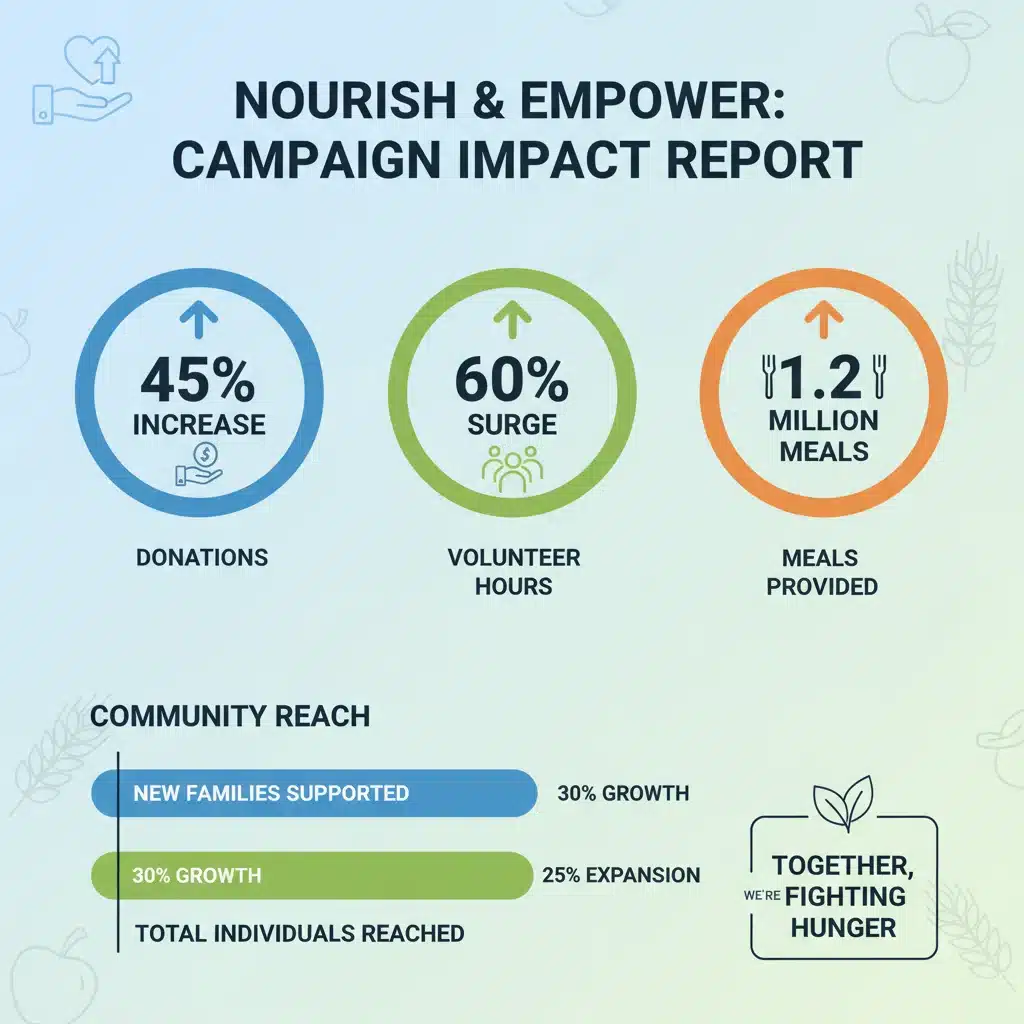
- Infographics: Visual representations of your impact, showing how X dollars translate into Y meals or Z families supported.
- Live Events: Invite beneficiaries (with their consent) to share their experiences at donor appreciation events or community gatherings.
Ensure these stories highlight not just the need, but the hope and resilience of those you serve, and how their lives are improved because of community support. This emotional connection is a strong driver to increase food bank donations.
Hyper-Local Outreach Programs
Think globally, act locally. Break down your community into smaller, manageable segments and tailor your outreach. This could involve:
- Neighborhood Liaisons: Appoint or recruit volunteers to be the food bank’s point person for specific neighborhoods or districts. They can organize local food drives, speak at community meetings, and build grassroots support.
- Farmers Market Partnerships: Collaborate with local farmers markets to collect fresh produce donations at the end of market days. This also connects your food bank with health-conscious individuals.
- School-Based Initiatives: Implement programs like ‘Stuff the Bus’ or ‘Weekend Backpack Programs’ that directly involve students and parents in collecting food for their peers.
- Community Challenges: Organize friendly competitions between local businesses, schools, or community groups to see who can collect the most food or raise the most funds. This gamification can significantly increase food bank donations.
Strategy 2: Leveraging Digital Innovation for Wider Reach
In today’s digital age, a robust online presence is non-negotiable for any organization seeking to increase food bank donations. Digital tools offer unparalleled reach, efficiency, and opportunities for engagement that traditional methods simply cannot match.
Optimizing Your Online Donation Platform
Your website’s donation page should be intuitive, secure, and mobile-friendly. Any friction in the donation process can lead to abandoned transactions. Key elements include:
- Clear Call-to-Action (CTA): Make the ‘Donate Now’ button prominent and easily accessible.
- Streamlined Forms: Request only essential information. The fewer fields, the better.
- Multiple Payment Options: Offer credit cards, PayPal, Apple Pay, Google Pay, and even cryptocurrency options if feasible and secure.
- Recurring Donation Options: Encourage monthly or quarterly donations. Even small recurring amounts add up significantly over time.
- Impact Statements: On the donation page itself, briefly explain what different donation amounts can achieve (e.g., ‘$25 provides 75 meals’).
Community Micro-Grants 2026 can also be a source of funding.
Strategic Social Media Engagement
Social media is a powerful storytelling and fundraising tool. Don’t just post; engage. Use platforms like Facebook, Instagram, Twitter, LinkedIn, and even TikTok to:
- Share Impact Stories: As discussed, use compelling visuals and short videos.
- Run Targeted Ads: Use social media advertising to reach specific demographics in your service area.
- Host Live Q&A Sessions: Allow your community to ask questions about your operations and impact.
- Utilize Fundraisers: Platforms like Facebook and Instagram allow users to create fundraisers for your organization, leveraging their networks.
- Engage with Trending Topics: When relevant, tie your mission to broader conversations about community support or social responsibility.
Consistent, authentic engagement builds a community of supporters, making it easier to increase food bank donations during campaigns.
Email Marketing Automation and Personalization
Email remains one of the most effective direct communication channels. Build an email list and segment it based on donor history, interests, and engagement levels. Use automation to:
- Welcome New Subscribers: Share your mission and impact.
- Thank Donors: Send personalized thank-you emails immediately after a donation.
- Share Updates: Regular newsletters about your activities, successes, and ongoing needs.
- Launch Targeted Campaigns: Send specific appeals to segments likely to respond to certain types of needs (e.g., holiday drives, emergency appeals).
Personalization, even just using the donor’s first name, can significantly improve open and click-through rates, leading to more successful fundraising efforts and helping to increase food bank donations.
Strategy 3: Cultivating Strategic Corporate Partnerships
Corporate partnerships offer a powerful avenue to significantly increase food bank donations, both in terms of financial contributions and in-kind support. Businesses are increasingly looking for meaningful ways to engage with their communities and fulfill their corporate social responsibility (CSR) objectives.
Identifying and Approaching Potential Partners
Research local and regional businesses that align with your mission or have a strong commitment to community welfare. Look for companies:
- In the Food Industry: Grocery stores, restaurants, food manufacturers, and distributors are natural partners for food donations and logistical support.
- With Strong CSR Programs: Many larger corporations have dedicated budgets for charitable giving.
- Whose Employees are Engaged in Volunteering: Companies that encourage employee volunteerism are often open to broader partnerships.
- That Benefit from Positive Public Relations: Partnering with a reputable food bank can enhance a company’s image.
When approaching potential partners, present a clear proposal outlining the benefits to their company, the impact of their contribution, and the recognition they will receive. Tailor each proposal to the specific company’s values and objectives.
Diverse Partnership Models
Corporate partnerships can take many forms beyond simple monetary donations:
- Financial Sponsorships: For specific programs, events, or general operating costs.
- Employee Matching Programs: Encourage employees to donate, and the company matches their contributions.
- In-Kind Donations: Food, equipment (e.g., forklifts, refrigeration units), office supplies, marketing services, or even pro-bono professional services (legal, accounting).
- Cause Marketing Campaigns: A portion of sales from a specific product or service is donated to the food bank. This can be a win-win, driving sales for the business and funds for the food bank.
- Volunteer Days: Companies organize dedicated days for their employees to volunteer at the food bank, providing much-needed labor and fostering team building.
- Logistical Support: Businesses with transportation or warehousing capabilities can offer invaluable assistance.
By offering a range of partnership opportunities, you increase the likelihood of finding a fit that benefits both your food bank and the corporate partner, thereby helping to increase food bank donations.
Strategy 4: Empowering Volunteers and Advocates
Volunteers are the backbone of any food bank, and empowering them to become advocates and fundraisers can significantly amplify your efforts to increase food bank donations. A motivated and well-supported volunteer base is an invaluable asset.
Recruitment, Training, and Retention
A strategic approach to volunteer management is essential:
- Diverse Recruitment: Actively recruit volunteers from all segments of the community, including retirees, students, corporate groups, and skilled professionals.
- Comprehensive Training: Provide thorough training not just on tasks, but also on the food bank’s mission, impact, and the importance of their role. Equip them with talking points to share with potential donors.
- Meaningful Engagement: Ensure volunteers feel valued and that their work is making a tangible difference. Offer a variety of roles to match different skill sets and interests.
- Recognition and Appreciation: Regularly acknowledge and celebrate your volunteers’ contributions through appreciation events, shout-outs on social media, and personalized thank-you notes.
For more insights on this, check out our guide on Boost Volunteer Engagement: 2026 Insider Tips.
Happy volunteers are your best ambassadors. They will not only contribute their time but also spread the word and encourage others to donate.
Mobilizing Volunteers as Fundraisers
Turn your volunteers into active fundraisers and advocates. Provide them with the tools and encouragement to:
- Host Peer-to-Peer Fundraising Campaigns: Empower volunteers to create their own online fundraising pages for the food bank, leveraging their personal networks.
- Organize Food Drives: Provide them with resources, signage, and guidance to host successful food drives in their workplaces, schools, or neighborhoods.
- Share Your Message: Equip them with compelling stories, statistics, and social media content to share with their friends and family.
- Represent the Food Bank: Train them to confidently speak about the food bank’s mission and needs at community events or gatherings.
When volunteers feel a strong sense of ownership and purpose, their enthusiasm becomes contagious, leading to a natural increase in support and helping to increase food bank donations.
Strategy 5: Innovative Fundraising Events and Campaigns
While traditional food drives are important, innovative events and campaigns can generate significant buzz, attract new donors, and provide unique opportunities to increase food bank donations.
Hybrid and Virtual Events
The pandemic accelerated the adoption of virtual events, and many of these formats offer continued advantages:
- Virtual Galas/Banquets: Reach a wider audience without geographical limitations, often at a lower overhead cost. Incorporate compelling videos and live testimonials.
- Online Auctions: Partner with local businesses to solicit desirable items for an online auction. Promote heavily on social media.
- Streaming Fundraisers: Collaborate with local musicians, artists, or influencers to host live streaming events where viewers can donate in real-time.
- ‘Eat Out for a Cause’ Weeks: Partner with local restaurants where a percentage of sales during a specific period goes to the food bank.
Hybrid events, combining in-person and virtual elements, can maximize participation and donation potential.
Themed Campaigns and Challenges
Create campaigns that are engaging and memorable:
- ‘Reverse Advent Calendar’ Challenge: During the holidays, encourage individuals or families to add one non-perishable food item to a box each day, then donate the full box at the end of the month.
- ‘Can-struction’ Competitions: Teams compete to build sculptures out of canned goods, which are then donated. This generates media attention and community involvement.
- ‘Healthy Food Drive’: Focus on collecting nutrient-dense items like whole grains, lean proteins, and low-sodium canned goods, addressing the need for healthier options.
- ‘Match the Need’ Campaigns: Identify a specific, urgent need (e.g., baby formula, fresh produce) and launch a targeted campaign to collect those items, often with a matching donor if possible.
These creative approaches generate excitement and make giving a more interactive and enjoyable experience, which is key to effectively increase food bank donations.
Strategy 6: Enhancing Operational Efficiency and Transparency
While not directly about asking for money, enhancing operational efficiency and demonstrating transparency are critical factors that indirectly but powerfully help to increase food bank donations. Donors want to know their contributions are being used wisely and effectively.
Demonstrating Impact with Metrics
Regularly report on your food bank’s impact using clear, understandable metrics:
- Meals Provided: How many meals were distributed?
- Individuals/Families Served: The number of people your services reached.
- Food Distributed (pounds/tons): The sheer volume of food moved.
- Volunteer Hours: The collective effort of your volunteers.
- Cost-Effectiveness: How many meals can be provided for each dollar donated.
Publish these metrics in your annual reports, on your website, and in donor communications. Visual aids like infographics (as mentioned earlier) are particularly effective in conveying this information quickly and clearly. This transparency builds trust and confidence, encouraging continued and increased giving.
Efficient Logistics and Inventory Management
An efficient operation means more resources can go directly to those in need, rather than being consumed by waste or mismanagement. Implement:
- Modern Inventory Systems: Track incoming and outgoing food, monitor expiration dates, and optimize storage.
- Volunteer Management Software: Streamline scheduling, communication, and task assignment for volunteers.
- Partnerships for Distribution: Collaborate with local transportation companies or even ride-sharing services for efficient food pick-ups and deliveries.
- Waste Reduction Programs: Implement strategies to minimize food waste, such as gleaning programs with local farms or partnerships with food recovery organizations.
When donors see that their contributions are handled with professionalism and efficiency, they are more inclined to continue their support, directly impacting your ability to increase food bank donations.
Conclusion: A Path to 15% Growth and Beyond
Achieving a 15% increase in food bank donations by 2026 is an ambitious yet entirely attainable goal. It requires a strategic blend of heartfelt community engagement, cutting-edge digital innovation, robust corporate partnerships, empowered volunteer advocacy, and unwavering operational transparency. Each of these strategies, when implemented thoughtfully and consistently, contributes to a stronger, more resilient food bank capable of meeting the ever-growing needs of its community.
The journey to increase food bank donations is not a sprint, but a marathon. It demands continuous effort, adaptability, and a deep commitment to your mission. By focusing on building genuine relationships, telling compelling stories, harnessing the power of technology, and demonstrating clear impact, your food bank can not only reach but surpass its fundraising goals. Imagine the profound difference that an additional 15% in resources could make – more nutritious meals, more families supported, and a stronger foundation for a food-secure future.
Start today by identifying one or two key strategies from this guide that resonate most with your organization’s current capabilities and needs. Develop a clear action plan, allocate resources, and empower your team to embrace these new approaches. The collective effort of your staff, volunteers, and community will be the driving force behind this growth. Together, we can ensure that no one in our communities goes hungry. Let 2026 be the year your food bank makes its most significant leap forward yet.