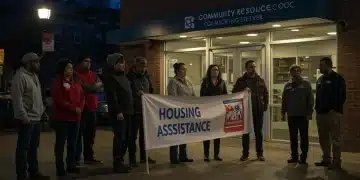
HUD Housing Counseling 2026: Maximize Benefits with Key Services
Understanding HUD housing counseling in 2026 is crucial for navigating the housing market, offering vital support through 5 key services designed to help individuals and families achieve stability and financial well-being.
Navigating the complexities of housing can be daunting, but help is available. For many, Understanding HUD housing counseling in 2026 offers a beacon of hope and practical guidance. These services, backed by the U.S. Department of Housing and Urban Development, provide essential support to individuals and families at every stage of their housing journey, whether you’re dreaming of homeownership, struggling with mortgage payments, or seeking rental assistance. Let’s explore how these crucial services can empower you to make informed housing decisions and secure a stable future.
What is HUD Housing Counseling?
HUD housing counseling is a service provided by non-profit organizations approved by the U.S. Department of Housing and Urban Development (HUD). These agencies offer free or low-cost advice on a range of housing-related issues, empowering individuals and families to achieve their housing goals. In 2026, the demand for such guidance remains high, given evolving economic landscapes and housing market trends.
The core mission of HUD-approved counseling agencies is to provide unbiased, expert advice. This advice covers financial management, understanding housing options, and navigating complex real estate transactions. Counselors are trained professionals who can offer personalized plans tailored to your specific situation, helping you to avoid common pitfalls and make sound decisions.
The Role of HUD-Approved Agencies
HUD-approved agencies play a pivotal role in delivering these counseling services. They undergo rigorous certification processes to ensure they meet federal standards for quality and effectiveness. This certification means you can trust the information and guidance you receive.
- Expertise: Counselors possess extensive knowledge of housing laws, financial strategies, and local market conditions.
- Accessibility: Services are often available in multiple languages and through various formats, including in-person, phone, and online sessions.
- Advocacy: Counselors can act as intermediaries between clients and lenders or landlords, helping to negotiate terms or resolve disputes.
Ultimately, HUD housing counseling is about education and empowerment. It equips you with the knowledge and tools necessary to approach your housing situation with confidence, whether you are a first-time homebuyer or facing the threat of foreclosure.
Homeownership Counseling: Your Path to Buying a Home
For many Americans, owning a home is a significant life goal. Homeownership counseling through HUD-approved agencies provides invaluable support for those aspiring to purchase a property, especially first-time homebuyers. In 2026, with shifting interest rates and property values, expert guidance is more critical than ever.
This service covers everything from understanding your credit score and managing debt to navigating the mortgage application process. Counselors help you assess your financial readiness, explore various loan options, and understand the long-term responsibilities of homeownership. They demystify what can often feel like an overwhelming process, ensuring you are well-prepared for every step.
Key Aspects of Homeownership Counseling
The counseling process is comprehensive, addressing both the immediate steps to buying a home and the ongoing financial commitments. It’s designed to prevent future financial distress by laying a solid foundation of knowledge.
- Financial Readiness: Evaluating income, expenses, and savings to determine affordability.
- Credit Health: Guidance on improving credit scores and understanding credit reports.
- Mortgage Options: Explanation of different loan types, interest rates, and down payment assistance programs.
- Closing Costs: Understanding the various fees associated with purchasing a home.
By engaging in homeownership counseling, you gain a clearer picture of what it takes to buy a home and how to sustain that ownership. This proactive approach significantly reduces the risk of unexpected challenges down the line, making your homeownership dream a more secure reality.
Foreclosure Prevention Counseling: Protecting Your Home
Facing foreclosure can be one of the most stressful experiences for homeowners. Foreclosure prevention counseling, offered by HUD-approved agencies, provides critical assistance to those struggling to make their mortgage payments. In 2026, economic uncertainties can still lead to financial hardship, making these services vital.
Counselors work with you to understand your financial situation, evaluate your options, and communicate with your lender. They can help you explore solutions such as loan modifications, forbearance programs, or even short sales, depending on what best fits your circumstances. The goal is to help you retain your home whenever possible or to navigate alternative solutions with dignity.
Strategies for Avoiding Foreclosure
The process begins with a thorough assessment of your financial health and a detailed review of your mortgage agreement. Counselors act as a knowledgeable advocate, helping you understand complex financial terms and communicate effectively with your mortgage servicer.
- Budget Analysis: Developing a realistic budget to identify areas for cost-saving.
- Lender Negotiation: Assisting in discussions with lenders to explore modification options.
- Understanding Rights: Informing homeowners of their rights and protections under federal and state laws.
- Action Plans: Creating a step-by-step plan to address the financial crisis.
Seeking help early is crucial in foreclosure prevention. These counseling services offer a lifeline, providing the expertise and support needed to navigate a difficult period and work towards a more stable financial future for your home.
Reverse Mortgage Counseling: Senior Homeowners’ Options
For senior homeowners aged 62 and older, a reverse mortgage can be a valuable financial tool, allowing them to convert a portion of their home equity into cash without selling their home or making monthly mortgage payments. However, this is a complex financial product, and HUD-approved reverse mortgage counseling is mandatory before obtaining one. In 2026, as the senior population grows, understanding these options is increasingly important.
This specialized counseling ensures that seniors fully comprehend the implications of a reverse mortgage, including its costs, benefits, and potential risks. Counselors explain different types of reverse mortgages, how interest accrues, and the conditions under which the loan becomes due. Their role is to provide unbiased information, allowing seniors to make an informed decision that aligns with their financial goals and long-term well-being.
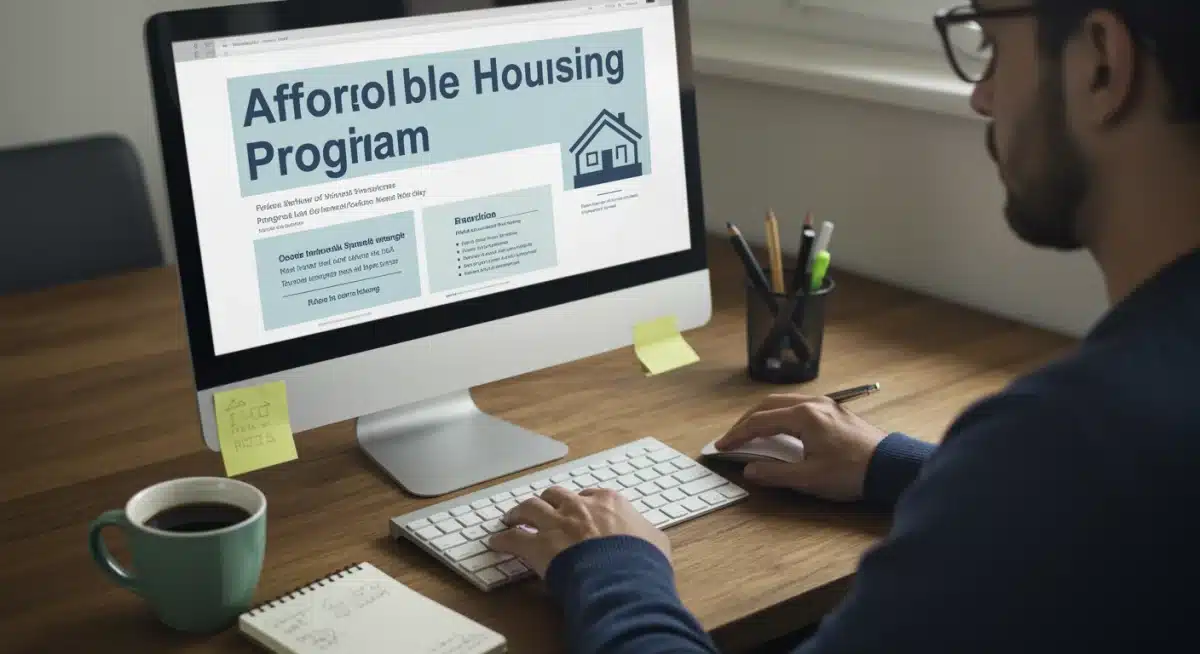
Understanding Reverse Mortgage Complexities
The counseling session delves into various aspects, ensuring that seniors are aware of all the details before committing to a reverse mortgage. This includes understanding potential impacts on heirs and government benefits.
- Loan Mechanics: How a reverse mortgage works, including interest rates and fees.
- Eligibility Requirements: Specific criteria for obtaining a reverse mortgage.
- Financial Impact: Effects on existing debts, taxes, insurance, and future financial stability.
- Alternatives: Exploring other financial options available to senior homeowners.
Reverse mortgage counseling is a protective measure, designed to safeguard senior homeowners from making hasty or ill-informed financial decisions. It provides clarity and peace of mind, ensuring that this significant financial step is taken with full understanding.
Rental Housing Counseling: Securing and Maintaining Tenancy
For individuals and families who rent, navigating the rental market can present its own set of challenges, from finding affordable housing to understanding tenant rights and responsibilities. Rental housing counseling, offered by HUD-approved agencies, provides essential guidance in these areas. As rental markets continue to evolve in 2026, this support is crucial for many.
Counselors assist renters with various issues, including searching for suitable housing, understanding lease agreements, and resolving landlord-tenant disputes. They can also provide information on rental assistance programs, fair housing laws, and strategies for maintaining good tenancy. This service aims to promote stable housing for renters and prevent homelessness.
Support for Renters and Tenants
The counseling process for renters is designed to be comprehensive, ensuring that tenants are well-informed and empowered in their housing situations. This includes preparing for the rental application process and understanding eviction prevention.
- Housing Search Assistance: Tips and resources for finding affordable and suitable rental units.
- Lease Agreement Review: Explaining terms and conditions in lease contracts.
- Tenant Rights and Responsibilities: Education on legal protections and obligations.
- Conflict Resolution: Guidance on addressing disputes with landlords effectively.
By utilizing rental housing counseling, tenants can gain confidence in their ability to secure and maintain stable housing. This service helps to create a more equitable and informed rental experience for everyone involved.
Post-Purchase Counseling: Sustaining Homeownership
Buying a home is a significant achievement, but the journey doesn’t end at the closing table. Post-purchase counseling, another valuable service offered by HUD-approved agencies, helps new homeowners sustain their investment and navigate the responsibilities of homeownership. In 2026, ongoing financial literacy and maintenance planning are key to long-term success.
This counseling focuses on topics such as budgeting for home maintenance, understanding property taxes and insurance, and managing escrow accounts. It also provides guidance on avoiding predatory lending practices and dealing with unexpected financial challenges that can arise during homeownership. The goal is to support homeowners in maintaining their financial stability and protecting their most significant asset.
Long-Term Homeownership Support
Post-purchase counseling is proactive, designed to equip homeowners with the knowledge and resources to handle the ongoing demands of owning a home. It ensures they are prepared for both routine and unforeseen expenses.
- Budgeting for Maintenance: Creating a financial plan for repairs and upkeep.
- Property Tax and Insurance Management: Understanding and planning for these recurring costs.
- Refinancing Considerations: Advice on when and how to refinance a mortgage responsibly.
- Avoiding Scams: Education on recognizing and avoiding common homeowner scams.
By engaging in post-purchase counseling, homeowners can build resilience against potential financial difficulties and ensure their home remains a source of stability and security for years to come. It’s a continuous learning process that strengthens the foundation of homeownership.
| Key Service | Brief Description |
|---|---|
| Homeownership Counseling | Guides aspiring homebuyers through financial readiness, credit improvement, and mortgage options. |
| Foreclosure Prevention | Assists homeowners facing mortgage payment difficulties to explore solutions and avoid foreclosure. |
| Reverse Mortgage Counseling | Mandatory counseling for seniors considering reverse mortgages, explaining complexities and risks. |
| Rental Housing Counseling | Supports renters in finding housing, understanding leases, and resolving landlord-tenant issues. |
Frequently Asked Questions About HUD Housing Counseling
Many HUD housing counseling services are offered free of charge. Some agencies may charge a small fee for certain services, but they are required to disclose these fees upfront and often offer waivers for low-income clients. Always ask about fees when you first contact an agency.
You can find a HUD-approved housing counseling agency by visiting the official HUD website and using their online search tool. This tool allows you to search by zip code or state to locate agencies near you, ensuring they are certified and reliable.
Yes, absolutely. Foreclosure prevention counseling is specifically designed for homeowners who are struggling with mortgage payments. Counselors can help you understand your options, communicate with your lender, and work towards solutions to avoid foreclosure.
No, HUD housing counseling services are available to individuals and families regardless of their income level. While many services cater to those with financial challenges, the goal is to provide beneficial housing advice to anyone who needs it, from first-time homebuyers to senior homeowners.
It’s helpful to gather financial documents such as recent pay stubs, bank statements, tax returns, and any existing loan or mortgage statements. Having these documents ready will allow your counselor to provide the most accurate and personalized advice.
Conclusion
Understanding HUD housing counseling in 2026 is more than just knowing about available services; it’s about recognizing a vital resource that empowers individuals and families to achieve and maintain housing stability. From the initial dream of homeownership to navigating the complexities of reverse mortgages or preventing foreclosure, HUD-approved counseling agencies offer expert, unbiased guidance. These services are designed to equip you with the knowledge and tools needed to make informed decisions, secure your housing future, and build lasting financial well-being. Don’t hesitate to reach out to a HUD-approved counselor to explore how these essential services can benefit you.