Building Stronger Communities: 4 Proven Strategies for Effective Neighborhood Watch Programs in 2026
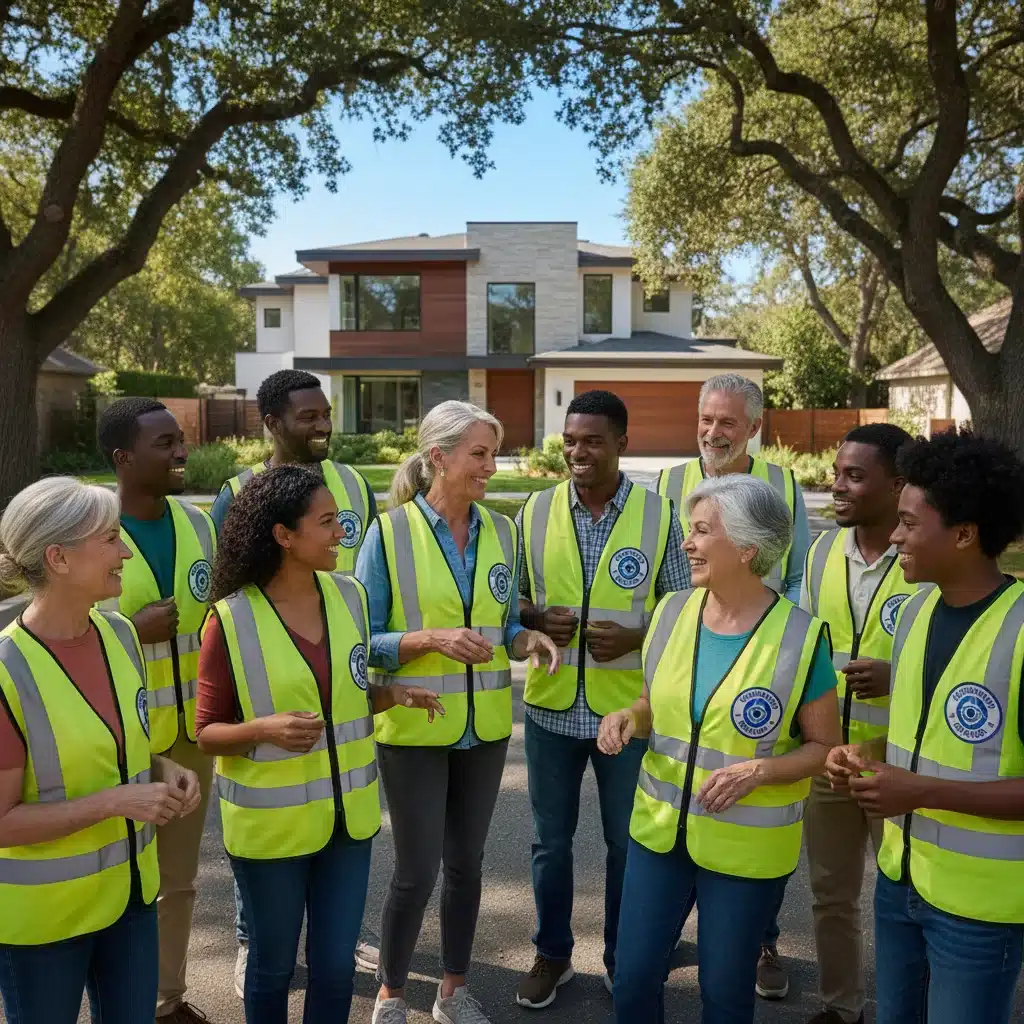
In an ever-evolving world, the safety and security of our communities remain paramount. As we look towards 2026, the need for robust and effective neighborhood watch programs is more critical than ever. These grassroots initiatives empower residents to take an active role in safeguarding their surroundings, fostering a sense of collective responsibility and unity. But what truly makes a neighborhood watch program effective in the modern era? It’s more than just signs and occasional patrols; it’s about strategic planning, leveraging technology, fostering strong relationships, and ensuring long-term sustainability.
The concept of neighbors looking out for one another is as old as civilization itself. However, contemporary challenges—ranging from evolving crime patterns to the pervasive influence of social media—demand a refined approach. An effective neighborhood watch in 2026 must be dynamic, adaptable, and deeply integrated into the fabric of the community. This article will delve into four proven strategies that can transform a traditional neighborhood watch into a powerful force for community safety and cohesion. By understanding and implementing these strategies, communities can not only deter crime but also build a resilient, supportive environment where everyone feels secure and connected.
We’ll explore how to ignite and sustain community engagement, harness the power of modern technology, forge unbreakable alliances with law enforcement and local government, and develop robust frameworks for leadership and longevity. Whether you’re starting a new program or revitalizing an existing one, these insights will provide a roadmap for creating an effective neighborhood watch that stands the test of time and truly makes a difference in your neighborhood’s well-being.
Understanding the Core Principles of an Effective Neighborhood Watch
Before diving into specific strategies, it’s essential to grasp the foundational principles that underpin any successful effective neighborhood watch program. At its heart, a neighborhood watch is about proactive crime prevention and fostering a strong sense of community. It’s not about vigilantism or replacing law enforcement, but rather about being the “eyes and ears” of the community, reporting suspicious activities, and working collaboratively with authorities. The core principles include:
- Community Ownership: The program must be driven by residents who genuinely care about their neighborhood’s safety.
- Collaboration with Law Enforcement: A strong partnership with local police is indispensable. They provide guidance, training, and a critical channel for reporting.
- Communication: Effective communication channels are vital for sharing information, coordinating activities, and building trust among residents.
- Education and Awareness: Residents need to be educated on crime prevention techniques, how to identify suspicious behavior, and proper reporting procedures.
- Inclusivity: An effective program welcomes all residents, regardless of age, background, or physical ability, ensuring diverse perspectives and broader participation.
- Proactive Approach: Moving beyond just reacting to incidents, an effective watch program focuses on deterring crime before it happens through visible presence and awareness campaigns.
These principles serve as the bedrock upon which the following strategies are built. Without a solid understanding and commitment to these fundamentals, even the most innovative strategies may fall short. An effective neighborhood watch is a living, breathing entity that requires continuous nurturing and adaptation to remain relevant and impactful.
Strategy 1: Cultivating Deep Community Engagement and Participation
The lifeblood of any effective neighborhood watch program is the active involvement of its residents. Without strong community engagement, even the best-laid plans will falter. In 2026, cultivating participation goes beyond traditional flyers and town hall meetings. It requires a multi-faceted approach that meets residents where they are, addresses their specific concerns, and makes participation accessible and rewarding.
Building a Foundation of Trust and Relevance
The first step in fostering engagement is to build trust and demonstrate the relevance of the program. Many residents might be skeptical or feel that their participation won’t make a difference. It’s crucial to:
- Conduct Needs Assessments: Before launching or revitalizing a program, conduct surveys, informal chats, or focus groups to understand the specific safety concerns and priorities of the neighborhood. This ensures the watch addresses real, perceived threats and isn’t just a generic initiative.
- Highlight Success Stories: Share tangible examples of how the neighborhood watch has made a difference, even small ones. This could be deterring a potential burglary, locating a lost pet, or simply building stronger community bonds.
- Be Transparent: Clearly communicate the program’s goals, activities, and how information is used. Transparency builds confidence and encourages participation.
Innovative Engagement Techniques for 2026
To truly achieve an effective neighborhood watch, engagement must be dynamic and inclusive:
1. Hyper-Local Social Media and Communication Platforms
While traditional methods still have their place, leveraging digital platforms is non-negotiable in 2026. Platforms like Nextdoor, Facebook Groups, WhatsApp, or even custom-built neighborhood apps can facilitate real-time communication, alert sharing, and event coordination. The key is to manage these platforms effectively, ensuring they remain positive, informative, and focused on safety.
- Moderated Forums: Establish clear guidelines and active moderation to prevent misinformation or negative interactions.
- Emergency Alert Systems: Integrate systems for rapid dissemination of urgent information, such as suspicious activity alerts or lost person notifications.
- Virtual Meetings and Workshops: Offer online alternatives for meetings and training sessions to accommodate busy schedules and increase accessibility.
2. Community Events Beyond Crime Prevention
To attract a wider range of participants and build stronger community bonds, an effective neighborhood watch should host events that aren’t solely focused on crime. Think about:
- Block Parties and Picnics: These create informal settings for neighbors to meet, build rapport, and discuss safety concerns naturally.
- Community Clean-Up Days: Working together on a shared project (like park clean-ups or graffiti removal) fosters camaraderie and pride in the neighborhood.
- Skill-Sharing Workshops: Host workshops on topics like home security improvements, first aid, or even gardening. These provide value and an opportunity for residents to connect.
3. Empowering “Block Captains” and “Zone Leaders”
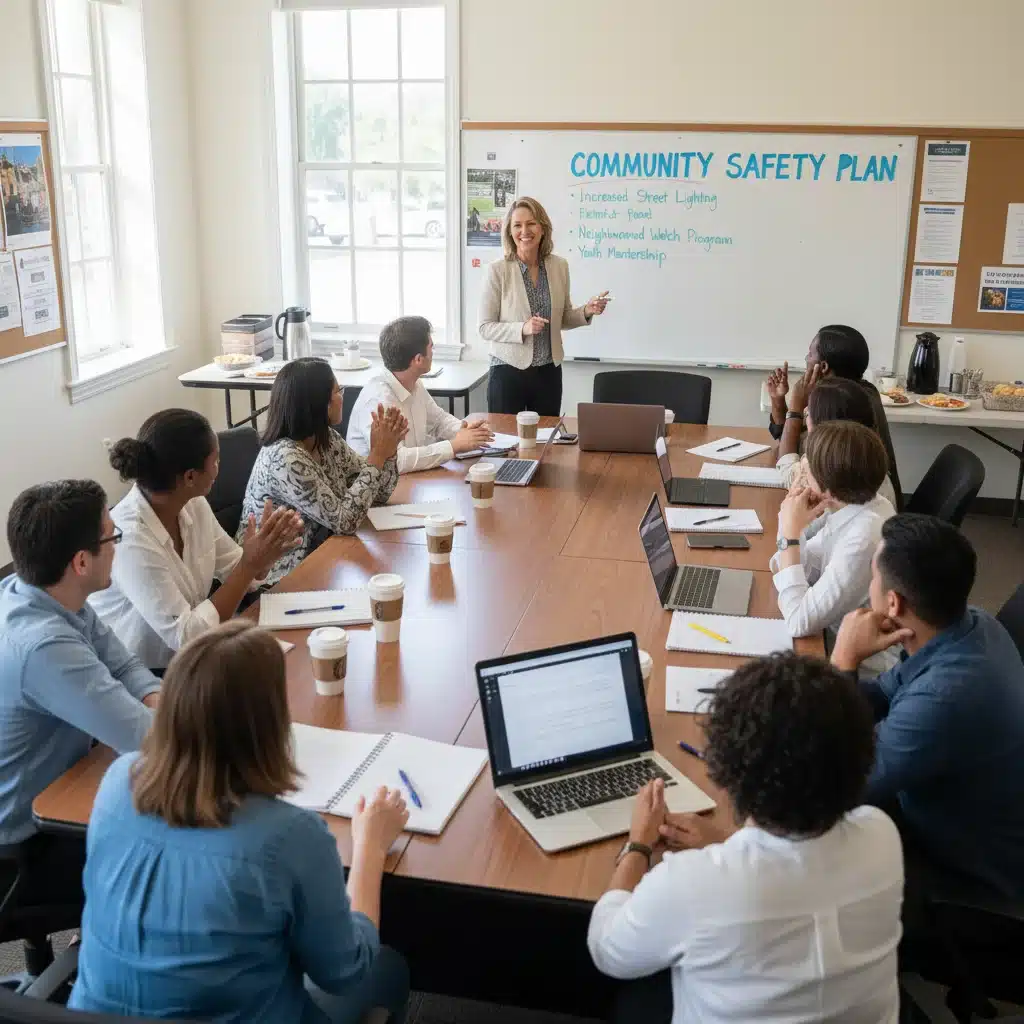
Decentralizing leadership can significantly boost participation. Designate “Block Captains” or “Zone Leaders” who are responsible for a smaller geographical area. These individuals can act as direct liaisons, organize micro-events, and ensure information flows efficiently to every household within their zone. This personal touch is vital for an effective neighborhood watch.
4. Inclusive Outreach
Ensure outreach efforts are inclusive. Translate materials into multiple languages if applicable, consider accessibility for residents with disabilities, and actively engage diverse cultural groups within the neighborhood. Partner with local community centers, places of worship, and schools to reach a broader audience.
Strategy 2: Leveraging Technology for Enhanced Vigilance and Communication
The technological landscape of 2026 offers unprecedented opportunities for an effective neighborhood watch. From advanced communication tools to smart home devices, integrating technology can significantly enhance vigilance, streamline communication, and provide valuable data for crime prevention efforts. It’s about working smarter, not just harder.
Smart Communication Platforms
Beyond general social media, specialized platforms can revolutionize how a neighborhood watch operates. These platforms are designed to facilitate rapid information sharing and coordination:
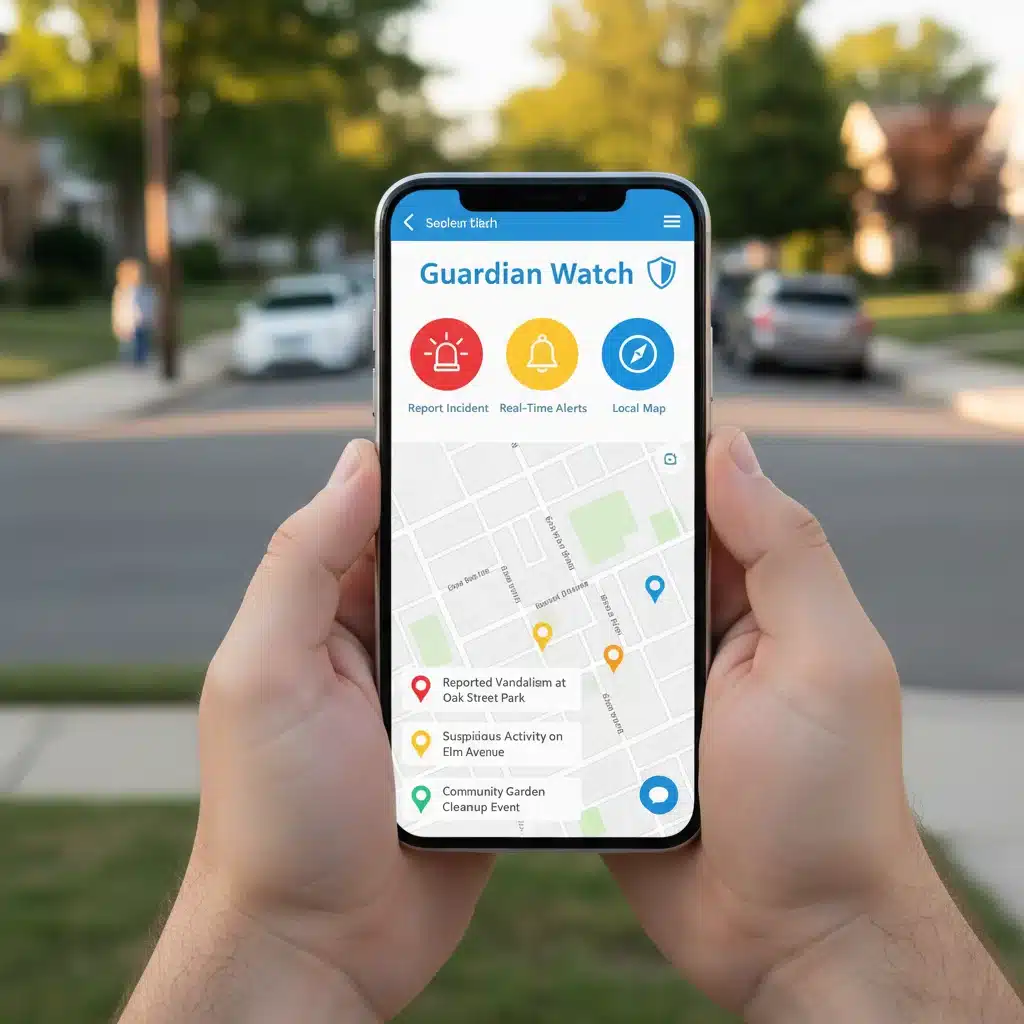
- Dedicated Neighborhood Watch Apps: Platforms specific to neighborhood watch programs (e.g., Neighbors by Ring, Citizen, or purpose-built local apps) allow residents to post real-time alerts, share images/videos of suspicious activity, and communicate directly with local authorities in some cases. These apps often include mapping features to show incident locations.
- Encrypted Messaging Services: For sensitive information or rapid response coordination among core leaders, encrypted messaging services can provide a secure channel.
- Automated Alert Systems: Integrate with local emergency services or weather alerts to keep residents informed about broader community issues that might impact safety.
Integrating Smart Home and Security Devices
The proliferation of smart home technology can be a powerful asset for an effective neighborhood watch:
- Video Doorbells and Security Cameras: Encourage residents to install video doorbells and security cameras. While privacy is paramount, footage from these devices can be invaluable for identifying suspects or understanding incident timelines, especially when shared voluntarily with law enforcement.
- Shared Camera Networks (Opt-in): In some communities, residents might opt-in to a “virtual patrol” where they can share access to certain camera feeds with designated watch members or law enforcement during an active investigation, always with strict privacy protocols and consent.
- Smart Lighting and Alarm Systems: Educate residents on how smart lighting (motion-activated, scheduled) and integrated alarm systems can deter criminals and enhance overall neighborhood security.
Data-Driven Crime Prevention
Technology also allows for a more data-driven approach to crime prevention, making a neighborhood watch truly effective neighborhood watch:
- Incident Mapping: Use online tools to map reported incidents (e.g., suspicious activities, petty crime) to identify patterns, hotspots, and potential areas for increased vigilance or targeted patrols. This data can inform strategic planning.
- Anonymous Reporting Systems: Implement systems that allow residents to report concerns anonymously, encouraging more participation from those who might fear reprisal.
- Trend Analysis: Work with local police to understand broader crime trends affecting the neighborhood and adapt watch activities accordingly. This could involve focusing on specific types of crime (e.g., package theft, car break-ins) during certain periods.
It is crucial to emphasize that while technology offers immense benefits, it must be implemented responsibly, with clear guidelines on data privacy, usage, and ethical considerations. The goal is to augment human vigilance, not replace it, and always maintain a focus on community trust and well-being.
Strategy 3: Forging Strong Partnerships with Law Enforcement and Local Government
An effective neighborhood watch doesn’t operate in a vacuum. Its success is heavily reliant on robust, collaborative partnerships with local law enforcement agencies and municipal government. These alliances provide crucial resources, expertise, and legitimacy, transforming a volunteer group into a recognized and respected force for public safety.
Establishing Clear Lines of Communication
The foundation of any strong partnership is clear and consistent communication:
- Designated Liaison Officers: Request that local police assign a dedicated liaison officer to your neighborhood watch program. This individual can provide direct support, answer questions, offer training, and serve as a consistent point of contact.
- Regular Meetings: Schedule regular meetings (monthly or quarterly) with the liaison officer and other relevant government officials (e.g., city council members, parks department representatives) to discuss ongoing issues, share updates, and coordinate efforts.
- Information Sharing Protocols: Establish clear protocols for reporting suspicious activities and crimes to law enforcement. Understand what information is most useful to them and how quickly they need it. Similarly, understand how law enforcement will communicate relevant information back to the watch.
Leveraging Resources and Expertise
Law enforcement and local government can offer invaluable resources that significantly enhance an effective neighborhood watch:
- Training Programs: Police departments often offer free training on topics such as crime prevention techniques, how to identify and report suspicious behavior, personal safety, and even basic first aid. Encourage all watch members to participate.
- Crime Statistics and Analysis: Access to localized crime data from law enforcement can help the watch understand specific threats and allocate resources more effectively. This data can inform patrol routes, awareness campaigns, and community meetings.
- Equipment and Supplies: Local government or police departments might be able to assist with acquiring essential supplies like reflective vests, signage, flashlights, or even space for meetings.
- Grant and Funding Opportunities: Local government often has information about grants or funding opportunities available for community safety initiatives. Partnering with them can open doors to financial support for watch activities.
Collaborative Problem Solving
True partnership involves working together to solve problems, making the neighborhood watch truly effective neighborhood watch:
- Joint Initiatives: Collaborate on joint initiatives such as community safety fairs, “National Night Out” events, or targeted campaigns against specific issues like “porch piracy” during holiday seasons.
- Addressing “Broken Windows” Issues: Work with local government to address quality-of-life issues that can contribute to a perception of disorder and potentially lead to more serious crime. This includes issues like graffiti, abandoned properties, poor lighting, or overgrown public spaces.
- Advocacy: The neighborhood watch, backed by community support and data, can advocate to local government for improvements in public infrastructure that enhance safety, such as improved street lighting, crosswalks, or park maintenance.
By actively nurturing these relationships, an effective neighborhood watch program can become an indispensable partner in maintaining peace and order, benefiting both residents and public safety agencies.
Strategy 4: Ensuring Sustainability Through Strong Leadership and Adaptive Structures
Many neighborhood watch programs start with enthusiasm but eventually fade due to burnout, lack of clear direction, or an inability to adapt. For an effective neighborhood watch to thrive in the long term, it must have strong, rotating leadership and flexible, adaptive structures that can withstand changes in membership and community needs. Sustainability is not an afterthought; it’s a core strategy.
Developing a Robust Leadership Structure
Effective leadership is crucial for direction and motivation:
- Diverse Leadership Team: Establish a leadership committee rather than relying on a single individual. This distributes the workload, brings diverse perspectives, and creates a succession plan. Roles might include a coordinator, secretary, communications lead, and event planner.
- Term Limits and Succession Planning: Implement term limits for leadership positions to prevent burnout and encourage new volunteers to step up. Develop a clear succession plan, mentoring potential future leaders to ensure a smooth transition.
- Clear Roles and Responsibilities: Define specific roles and responsibilities for all leaders and active members. This prevents duplication of effort and ensures all necessary tasks are covered.
- Regular Leadership Meetings: Hold regular meetings for the leadership team to strategize, review progress, address challenges, and ensure alignment with the program’s goals.
Adaptive Program Structures and Activities
A sustainable effective neighborhood watch must be able to evolve:
- Flexible Participation Options: Recognize that not everyone can commit to regular patrols or meetings. Offer various ways to contribute, such as data entry, social media management, event planning, or simply being an “alert responder” who monitors digital communications.
- Annual Goal Setting and Review: At least once a year, review the program’s effectiveness, reassess neighborhood needs, and set new, achievable goals. This keeps the program fresh and responsive.
- Documentation and Standard Operating Procedures (SOPs): Document key processes, contact lists, communication protocols, and historical data. This institutional knowledge is invaluable when leadership changes or new members join.
- Training and Skill Development: Continuously offer training opportunities not just for new members but also for existing ones, covering topics like advanced home security, cyber safety, or conflict resolution. This keeps members engaged and skilled.
- Financial Prudence: If the watch requires funds (for signs, events, technology subscriptions), establish transparent financial practices, potentially through a non-profit designation, community fundraising, or seeking local government support.
Recognizing and Rewarding Volunteers
Appreciation is a powerful motivator for long-term engagement in an effective neighborhood watch:
- Public Recognition: Acknowledge volunteers publicly through newsletters, social media shout-outs, or at community events.
- Small Tokens of Appreciation: Simple gestures like thank-you notes, small gifts, or a recognition dinner can go a long way in showing appreciation.
- Highlighting Impact: Regularly communicate the positive impact of volunteers’ efforts on community safety. Seeing the tangible results of their work is a strong incentive to continue.
By focusing on these aspects of leadership and adaptability, a neighborhood watch can transform from a temporary initiative into a permanent, valuable asset for the community, ensuring its effectiveness for years to come.
The Future of Neighborhood Watch: Beyond 2026
As we look beyond 2026, the strategies for an effective neighborhood watch will continue to evolve. The integration of artificial intelligence in security systems, more sophisticated predictive policing models, and increasingly interconnected smart cities will present both opportunities and challenges. Neighborhood watch programs will need to stay agile, embracing new technologies while never losing sight of their fundamental human-centric mission: building safer, stronger, and more connected communities.
The emphasis will likely shift further towards proactive data analysis, community resilience (e.g., disaster preparedness), and fostering digital literacy among residents to navigate online threats and misinformation. The “eyes and ears” will extend from physical patrols to digital vigilance, requiring a new set of skills and an even stronger commitment to ethical considerations and privacy.
Ultimately, the success of any effective neighborhood watch program, now and in the future, will hinge on the dedication of its volunteers, the strength of its community bonds, and its ability to adapt to changing times while upholding its core values of safety, unity, and mutual support.
Conclusion: A Proactive Path to Safer Communities
Building and maintaining an effective neighborhood watch in 2026 and beyond is a multifaceted endeavor that requires strategic planning, consistent effort, and a genuine commitment from all stakeholders. The four proven strategies outlined—cultivating deep community engagement, leveraging technology for enhanced vigilance, forging strong partnerships with law enforcement and local government, and ensuring sustainability through robust leadership—provide a comprehensive framework for success.
These strategies are not isolated elements but rather interconnected pillars that collectively support a thriving, secure community. When residents are deeply engaged, technology is intelligently applied, external partnerships are strong, and leadership is stable and adaptive, a neighborhood watch transcends its basic function. It becomes a vibrant community hub, fostering trust, deterring crime, and enhancing the overall quality of life for everyone.
The path to an effective neighborhood watch is an ongoing journey, one that demands continuous evaluation, adaptation, and unwavering dedication. By embracing these proven strategies, communities can empower themselves, create safer environments, and build a lasting legacy of collective responsibility and neighborly care. The future of community safety rests in our collective hands, and an empowered, effective neighborhood watch is a powerful tool to shape that future for the better.