Unlock Your EAP Benefits: A 2026 Guide to Mental Wellness & Financial Savings
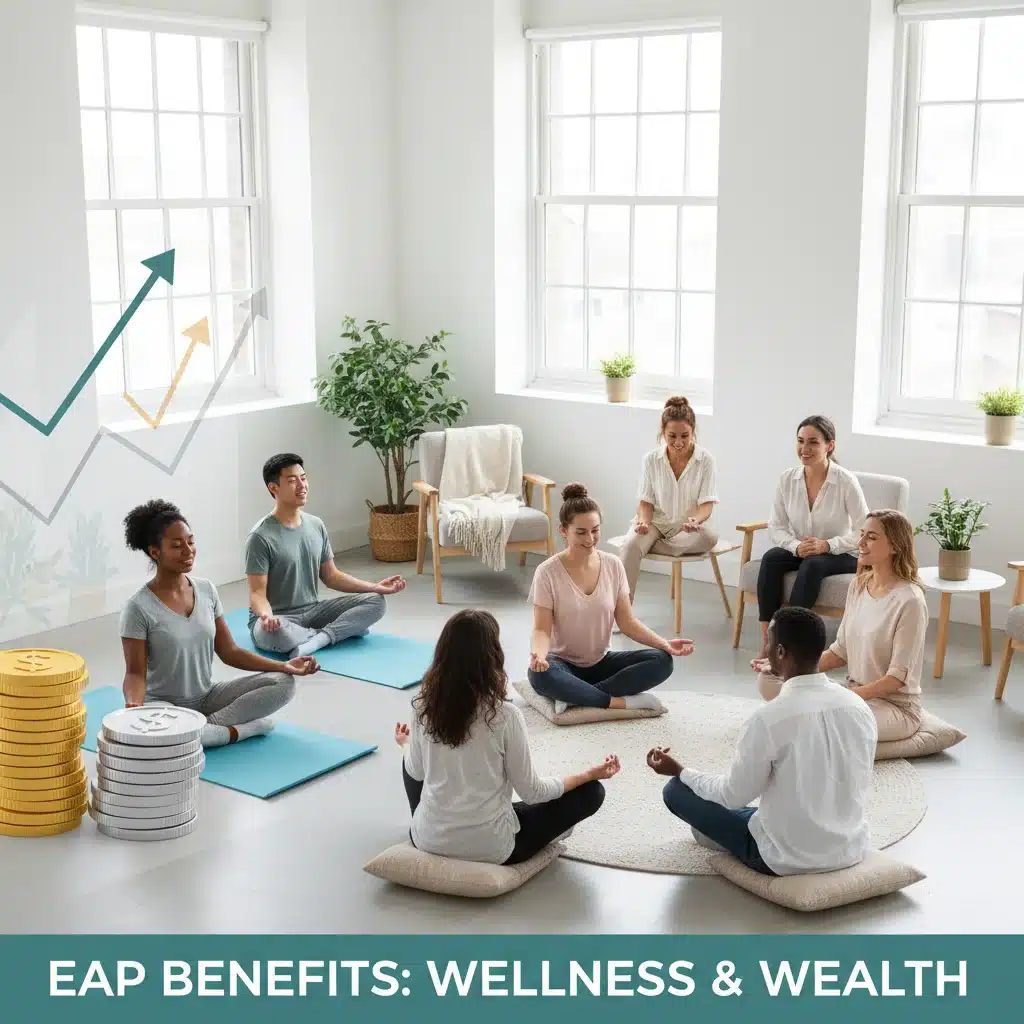
Maximizing Your EAP Benefits for Mental Wellness: A 2026 Guide to Unused Resources and Financial Impact
In the rapidly evolving landscape of workplace well-being, Employee Assistance Programs (EAPs) have emerged as cornerstones of support for millions of workers. Yet, a significant number of employees remain unaware of the full spectrum of services available through their EAP, particularly concerning EAP benefits mental wellness and its profound financial implications. As we navigate 2026, understanding and utilizing these invaluable resources is more critical than ever. This comprehensive guide aims to shed light on the often-underutilized aspects of EAPs, demonstrating how they can be a powerful tool not just for mental health support, but also for significant financial savings and overall life improvement.
The modern workforce faces unprecedented levels of stress, anxiety, and burnout. Economic uncertainties, the blurring lines between work and personal life, and the sheer pace of change contribute to a growing need for accessible and effective mental health solutions. While many companies invest heavily in EAPs, the return on investment for employees often goes unrealized due to a lack of awareness or understanding. This article will delve into what EAPs truly offer, how to access and maximize their mental wellness provisions, and, crucially, how these services can translate into tangible financial benefits for you and your family.
What Exactly Are EAP Benefits Mental Wellness Programs?
An Employee Assistance Program (EAP) is a voluntary, work-based program that offers free and confidential assessments, short-term counseling, referrals, and follow-up services to employees who have personal and/or work-related problems. These programs are designed to help employees address a wide range of issues that can affect their job performance, health, and general well-being. While traditionally associated with crisis intervention, modern EAPs have expanded significantly to encompass a holistic approach to employee support, with a strong emphasis on proactive mental wellness.
The core of EAP benefits mental wellness lies in providing immediate, confidential access to professional help. This includes licensed counselors, therapists, and other mental health professionals who can assist with:
- Stress management
- Anxiety and depression
- Grief and loss
- Relationship and family issues
- Substance abuse
- Work-life balance
- Burnout prevention
- Trauma and crisis intervention
Beyond traditional counseling, many EAPs now offer a wealth of resources aimed at prevention and early intervention. This can include workshops, online self-help modules, educational materials, and even apps focused on mindfulness, resilience, and emotional intelligence. The goal is to empower employees to take charge of their mental health before issues escalate, fostering a more resilient and productive workforce.
The Unseen Value: Unused EAP Resources in 2026
Despite the comprehensive nature of contemporary EAPs, a significant portion of their offerings remains largely unused. This underutilization represents a missed opportunity for employees to improve their lives and for organizations to fully realize the benefits of their investment. In 2026, EAPs have evolved to include an even broader array of services that extend far beyond initial counseling sessions. Here are some commonly overlooked resources:
Financial Counseling and Debt Management
One of the most impactful, yet frequently ignored, aspects of EAPs is financial counseling. Financial stress is a leading cause of mental health issues, impacting sleep, concentration, and overall well-being. Many EAPs provide access to certified financial planners who can assist with:
- Budgeting and savings plans
- Debt consolidation and management strategies
- Retirement planning basics
- Understanding employee benefits (e.g., 401k, health insurance)
- Credit score improvement
Imagine the peace of mind that comes with a clear financial roadmap, all at no direct cost to you. This service alone can prevent countless hours of worry and significantly reduce financial anxiety, directly contributing to improved EAP benefits mental wellness.
Legal Assistance
Navigating legal challenges can be incredibly stressful and expensive. EAPs often include a component of legal consultation, offering free or discounted access to attorneys for issues such as:
- Estate planning (wills, trusts)
- Family law (divorce, child custody)
- Real estate transactions
- Consumer law disputes
- Traffic violations
Having expert legal advice readily available can alleviate immense pressure and prevent costly mistakes, allowing you to focus on your well-being.
Childcare and Elder Care Referrals
For employees juggling family responsibilities, finding reliable childcare or elder care can be a monumental task. EAPs frequently offer referral services to help employees locate vetted providers, offering peace of mind and saving valuable time. This support directly impacts work-life balance and reduces stress for caregivers, reinforcing the holistic nature of EAP benefits mental wellness.
Work-Life Balance Resources
Beyond direct counseling, EAPs often provide resources designed to enhance overall work-life balance. These can include:
- Time management workshops
- Stress reduction techniques and mindfulness programs
- Parenting resources
- Relocation assistance
- Concierge services (e.g., event planning, travel arrangements)
These seemingly small conveniences can collectively free up mental space and reduce cognitive load, contributing significantly to an employee’s sense of well-being.
Health and Wellness Coaching
Many EAPs now integrate health and wellness coaching, extending beyond mental health to cover physical well-being. This can include guidance on nutrition, exercise, smoking cessation, and chronic disease management. A healthy body often correlates with a healthy mind, making these services integral to comprehensive mental wellness.
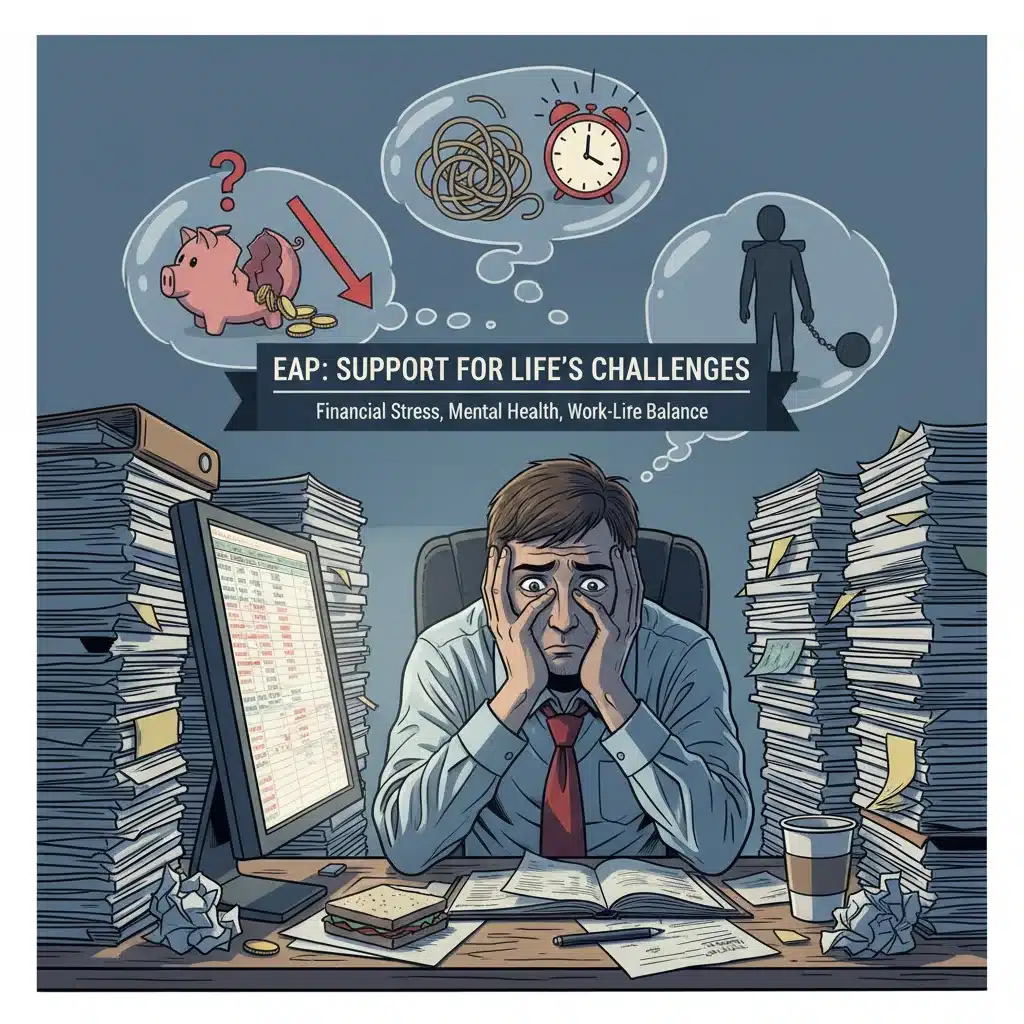
The Financial Impact: How EAP Benefits Can Save You Money
The financial advantages of utilizing your EAP are often underestimated. While the services themselves are typically free to employees, the savings extend far beyond avoiding therapy co-pays. Let’s break down the significant financial impact:
1. Avoiding Out-of-Pocket Mental Health Costs
Perhaps the most direct financial benefit is the cost savings on mental health care. A single therapy session can range from $75 to $200 or more, depending on location and provider. Many EAPs offer several free counseling sessions (e.g., 3-8 sessions per issue per year). If you utilize five sessions at an average cost of $150 each, you’ve saved $750. For ongoing needs, EAPs can also provide referrals to in-network providers, potentially reducing your long-term costs.
2. Reducing Financial Stress and Its Consequences
As mentioned, EAP financial counseling can be a game-changer. By learning to budget, manage debt, and plan for the future, you can avoid late fees, high-interest debt, and even bankruptcy. A single session with a financial advisor could save you thousands of dollars in interest payments or poor investment decisions over time. Consider the cost of defaulting on a loan or incurring significant credit card debt – EAP guidance can help you steer clear of these expensive pitfalls.
3. Preventing Costly Legal Fees
Legal services are notoriously expensive, with hourly rates for attorneys often ranging from $150 to $500 or more. The initial consultation offered by your EAP can save you hundreds of dollars right off the bat, and any discounted services can lead to substantial savings on more complex legal matters. For instance, drafting a simple will can cost $300-$1000; if your EAP covers or discounts this, the savings are immediate.
4. Mitigating Health-Related Expenses
Unmanaged stress and mental health issues can manifest as physical ailments, leading to increased doctor visits, prescription costs, and even emergency room visits. By proactively addressing mental wellness through your EAP, you can potentially reduce these health-related expenses. For example, chronic stress can exacerbate conditions like high blood pressure or irritable bowel syndrome, leading to expensive treatments. Effective stress management through EAP can mitigate these health risks and their associated financial burdens.
5. Enhancing Job Security and Career Progression
When mental health issues impact job performance, there’s a risk of disciplinary action, reduced opportunities for promotion, or even job loss. By leveraging EAP benefits mental wellness support, employees can address underlying issues, improve focus, boost productivity, and maintain a positive professional trajectory. The financial impact of job loss or stagnation far outweighs the effort of utilizing EAP services.
6. Improving Productivity and Reducing Absenteeism
Mental health challenges are a leading cause of absenteeism and presenteeism (being at work but not productive). By seeking support through EAP, employees can resolve issues that hinder their ability to perform optimally. Reduced sick days and increased productivity translate into better job performance reviews, potential bonuses, and greater job satisfaction – all contributing to a stronger financial standing.
Accessing Your EAP Benefits in 2026: A Step-by-Step Guide
Despite the clear advantages, many employees don’t know how to access their EAP. Here’s a simple guide for 2026:
1. Locate Your EAP Information
This is usually available through your Human Resources department, company intranet, employee handbook, or benefits portal. Look for a dedicated EAP website or phone number. Many companies also provide a wallet card with EAP contact details. If you can’t find it, don’t hesitate to ask HR – they are legally bound to maintain confidentiality regarding your inquiry about EAP services.
2. Understand What’s Covered
EAP programs vary. Take a few minutes to review the specific services your employer’s EAP offers. Pay attention to the number of free counseling sessions, types of referrals, and any additional resources like financial or legal assistance.
3. Make the Initial Contact
Most EAPs offer a 24/7 toll-free number. When you call, you’ll typically speak with a intake coordinator who will ask about your needs and refer you to the appropriate professional or resource. You can also often initiate contact online through a secure portal.
4. Schedule Your Appointment or Access Resources
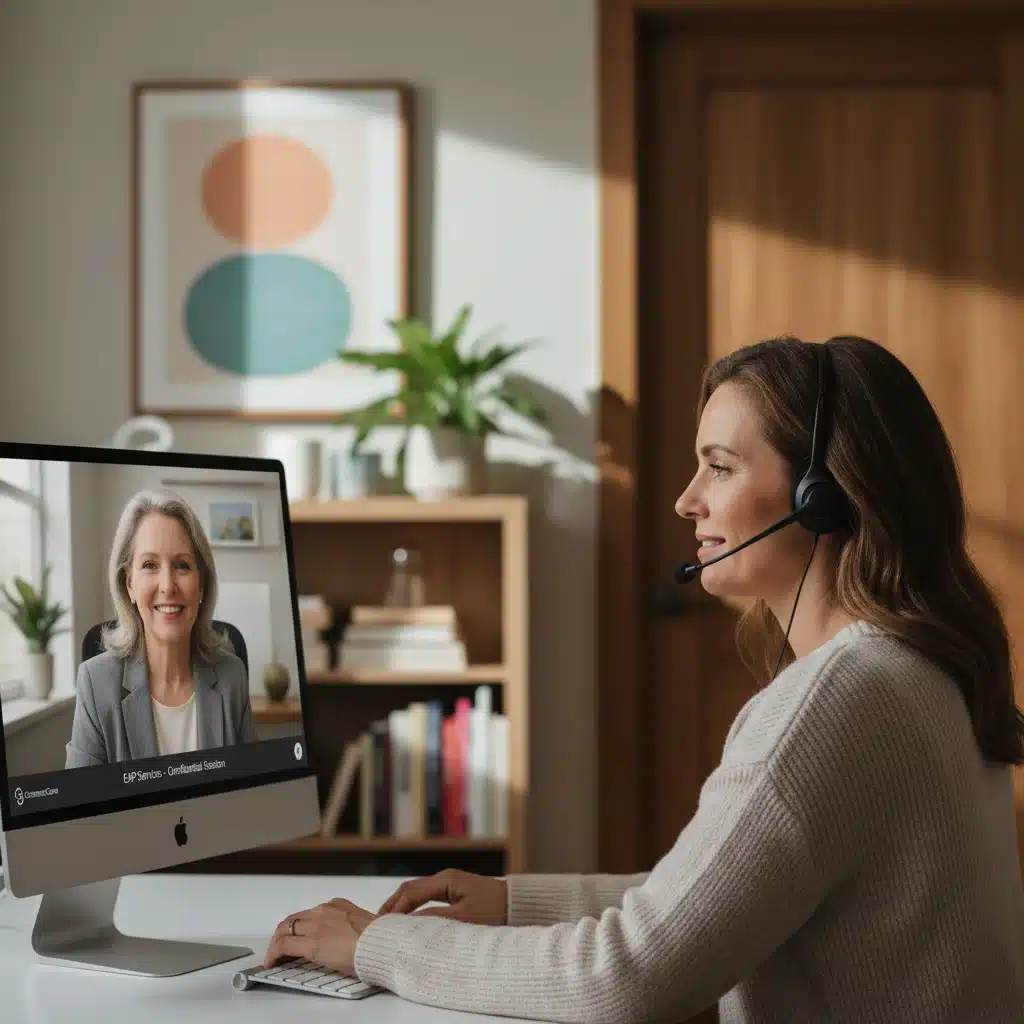
Based on your needs, you’ll be connected with a counselor, financial advisor, legal professional, or directed to relevant online tools. Many EAPs offer both in-person and virtual (telehealth) options, providing flexibility and convenience, especially for those with busy schedules or geographical constraints.
5. Remember Confidentiality
EAP services are strictly confidential. Your employer will not be informed of your participation or the nature of the issues you discuss. This confidentiality is a cornerstone of EAP effectiveness, ensuring employees feel safe seeking help without fear of repercussions.
Overcoming Barriers to EAP Utilization
Even with comprehensive benefits, several factors prevent employees from using their EAP. Understanding and addressing these can help increase utilization rates and foster a healthier workforce.
Stigma Associated with Mental Health
Despite progress, stigma surrounding mental health remains a significant barrier. Employees may fear being perceived as weak or incapable if they seek help. Organizations can combat this by openly promoting EAP benefits mental wellness, sharing success stories (anonymously), and creating a culture where seeking support is normalized and encouraged.
Lack of Awareness and Understanding
Many employees simply don’t know what an EAP is or what it offers. Regular, clear communication from employers about EAP services, beyond just onboarding, is crucial. Highlighting the diverse range of services – from financial to legal to childcare – can demonstrate its broad applicability.
Time Constraints
Busy schedules can make it difficult to prioritize EAP appointments. Emphasizing the availability of virtual sessions, evening appointments, and self-help resources can help mitigate this. Employers can also encourage managers to support employees in taking time for EAP appointments.
Perceived Lack of Confidentiality
Despite assurances, some employees worry their employer will find out. Consistent reinforcement of the strict confidentiality policies by HR and EAP providers is essential to build trust.
EAP Trends and Innovations in 2026
The EAP landscape is continually evolving to meet the changing needs of the workforce. In 2026, several key trends and innovations are shaping how these programs deliver EAP benefits mental wellness:
Integration with Digital Health Platforms
EAPs are increasingly integrating with broader digital health and well-being platforms. This means employees can access EAP services alongside other health benefits, often through a single app or portal, making it more convenient and streamlined. AI-powered chatbots for initial assessments and resource navigation are also becoming more common.
Personalized and Proactive Support
Leveraging data analytics (anonymously and with consent), EAPs are moving towards more personalized and proactive interventions. Instead of waiting for a crisis, programs are designed to identify potential stressors and offer relevant resources before issues escalate. This might include personalized content recommendations or outreach based on general well-being surveys.
Focus on Manager Training
Recognizing the crucial role of leadership, EAPs are offering more training for managers. This training equips managers to identify signs of distress in their teams, understand how to refer employees to EAP, and foster a supportive work environment without crossing confidentiality boundaries. This indirect support strengthens the overall effectiveness of EAP benefits mental wellness.
Specialized Programs for Diverse Needs
EAPs are developing specialized programs to address the unique needs of diverse employee populations, such as new parents, caregivers, remote workers, or employees facing specific cultural or identity-related challenges. These tailored resources ensure that support is relevant and effective for everyone.
Emphasis on Financial Wellness as Mental Wellness
The link between financial health and mental health is undeniable. EAPs in 2026 are placing an even greater emphasis on comprehensive financial wellness resources, recognizing that alleviating financial stress is a direct path to improved mental well-being. This includes more robust financial coaching, educational webinars, and tools for budgeting and debt management.
Case Studies: Realizing the Value of EAP Benefits
To illustrate the tangible impact of EAP, consider these hypothetical scenarios:
Case Study 1: Sarah, the Overwhelmed Parent
Sarah, a marketing manager, was struggling with burnout and anxiety due to demanding work and the challenges of raising two young children. She felt overwhelmed and constantly worried about her performance at work and her ability to be a good parent. Through her EAP, she accessed six confidential counseling sessions. The counselor helped her develop coping mechanisms for stress, improve her time management, and set healthier boundaries between work and home. Additionally, the EAP provided her with referrals for affordable, high-quality childcare in her area, saving her hours of research and reducing a significant source of stress. The financial savings from free counseling sessions (approx. $900) and the time saved on childcare research, combined with improved job performance, significantly boosted her overall well-being and financial stability.
Case Study 2: Mark, Facing Financial Strain
Mark, an IT specialist, was facing significant credit card debt and struggling to make ends meet after an unexpected medical expense. The financial stress was impacting his sleep and concentration at work. He decided to reach out to his EAP, which connected him with a certified financial counselor. Over three sessions, the counselor helped Mark create a realistic budget, negotiate lower interest rates with his creditors, and set up a debt repayment plan. The guidance saved him potentially thousands of dollars in interest and late fees, and more importantly, alleviated the immense mental burden, allowing him to regain focus and peace of mind. The EAP’s financial counseling, which would have cost hundreds if sought independently, provided invaluable relief at no direct cost.
Case Study 3: Emily, Navigating a Legal Challenge
Emily was unexpectedly served with legal papers regarding a property dispute with a neighbor. The situation caused her immense stress and fear of costly legal battles. She remembered her EAP offered legal consultation. Through her EAP, she received a free initial consultation with an attorney who advised her on her rights and options. This initial advice helped her understand the legal process, significantly reducing her anxiety. The attorney also provided a referral for ongoing representation at a discounted rate, saving her hundreds of dollars in legal fees and helping her navigate a complex situation with confidence.
Conclusion: Embrace Your EAP for a Healthier, Wealthier 2026
In 2026, your Employee Assistance Program is more than just a benefit; it’s a strategic resource for personal growth, mental resilience, and financial prudence. The wide array of services, from confidential counseling and stress management to financial coaching and legal assistance, are designed to support your holistic well-being. The financial impact of utilizing these free and confidential resources cannot be overstated – saving you money on direct services, preventing costly mistakes, and improving your overall financial health by reducing stress and enhancing productivity.
Don’t let these valuable EAP benefits mental wellness resources go unused. Take the proactive step to understand what your EAP offers, how to access it, and how it can profoundly improve your life. By embracing your EAP, you’re not just investing in your mental wellness; you’re investing in a more stable, secure, and fulfilling future. Make 2026 the year you fully leverage your EAP to achieve both mental peace and financial freedom.
Frequently Asked Questions About EAP Benefits
Q1: Is my EAP truly confidential?
A1: Yes, EAP services are strictly confidential. Your employer will not be informed of your participation or the details of your discussions, except in very specific legal situations (e.g., threat of harm to self or others), which are rare and clearly outlined by law. Your privacy is protected.
Q2: How many EAP sessions can I typically use?
A2: The number of free sessions varies by program, but typically ranges from 3 to 8 sessions per issue per year. After these sessions, the EAP can often provide referrals to in-network providers for continued support if needed.
Q3: Can my family members use the EAP?
A3: In most cases, yes. EAP benefits often extend to eligible family members, including spouses, domestic partners, and dependent children. Check your specific EAP program details for eligibility criteria.
Q4: What kind of issues can an EAP help with besides mental health?
A4: Beyond mental wellness, EAPs can assist with a wide range of issues including financial counseling, legal consultations, elder care and childcare referrals, substance abuse support, work-life balance concerns, and even career development resources. This broad scope highlights the comprehensive nature of EAP benefits mental wellness.
Q5: Do I need to get approval from my manager or HR to use the EAP?
A5: No, you do not need approval from your manager or HR. You can directly contact the EAP provider yourself. This ensures confidentiality and ease of access.