Mindfulness Practices for Daily Stress Reduction: 7 Techniques to Implement Today (PRACTICAL SOLUTIONS)
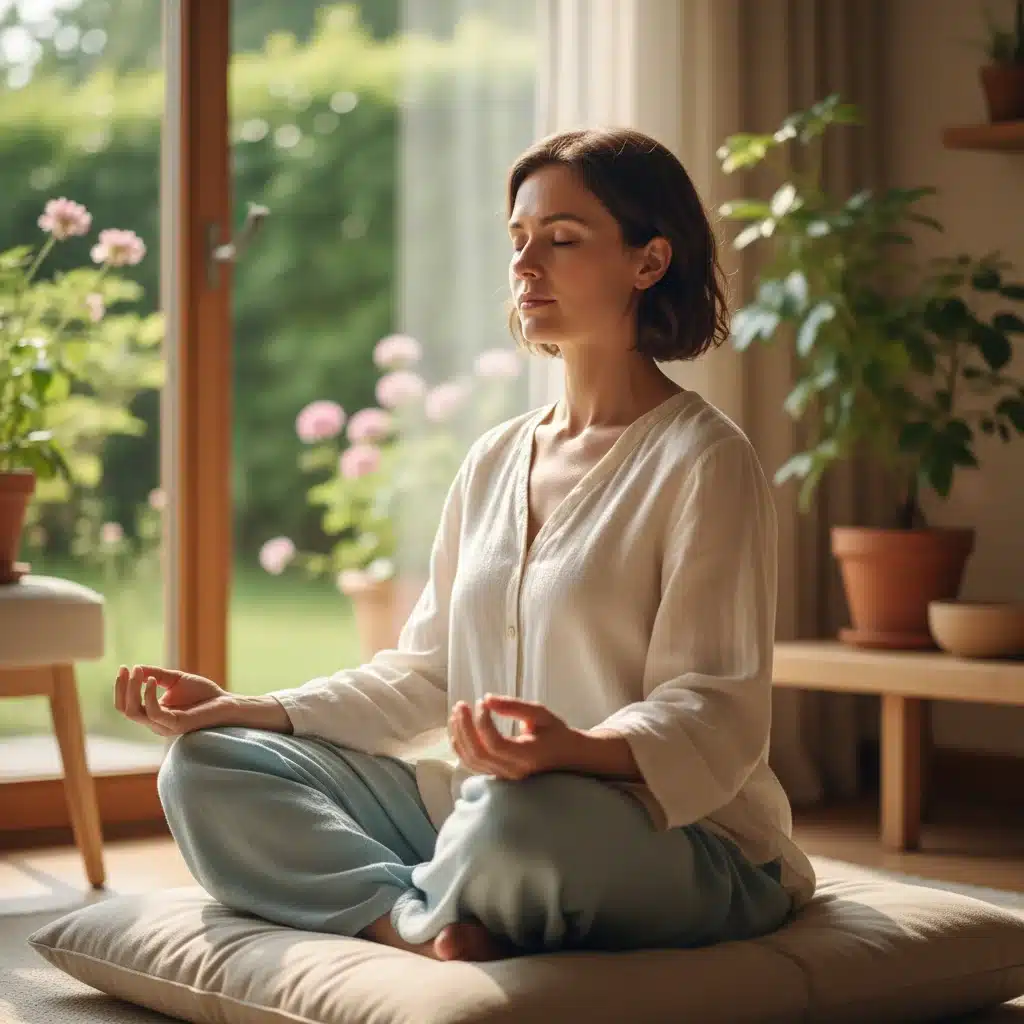
In our fast-paced, ever-demanding world, stress has become an unwelcome but constant companion for many. The relentless pressure of work, personal responsibilities, and an always-on digital culture can leave us feeling overwhelmed, anxious, and disconnected. While eradicating stress entirely might be an unrealistic goal, learning to manage it effectively is not only possible but crucial for our overall well-being. This is where Mindfulness Stress Reduction comes into play, offering a powerful antidote to the modern epidemic of chronic stress.
Mindfulness, at its core, is the practice of bringing one’s attention to the present moment, without judgment. It’s about observing your thoughts, feelings, and bodily sensations as they arise, allowing them to be, and letting them pass. This simple yet profound practice can significantly alter our relationship with stress, transforming it from an overwhelming force into something manageable. By regularly engaging in mindfulness practices, we can cultivate a greater sense of calm, clarity, and resilience, even amidst life’s inevitable challenges.
This comprehensive guide will delve into seven practical and accessible mindfulness techniques that you can implement into your daily routine starting today. These aren’t just theoretical concepts; they are actionable steps designed to help you integrate Mindfulness Stress Reduction seamlessly into your life, leading to a more peaceful and balanced existence. Whether you’re a seasoned meditator or completely new to the concept, these techniques offer valuable tools for anyone seeking to reclaim their inner peace.
Understanding the Power of Mindfulness for Stress Reduction
Before we dive into the techniques, let’s briefly explore why mindfulness is so effective for stress reduction. When we experience stress, our bodies often go into “fight or flight” mode, triggering a cascade of physiological responses designed for immediate survival. While useful in true emergencies, this response can be detrimental when activated by everyday stressors like a looming deadline or a difficult conversation. Chronic activation of this stress response can lead to various health problems, including high blood pressure, weakened immune function, and mental health issues like anxiety and depression.
Mindfulness helps to counteract this by activating the “rest and digest” response, also known as the parasympathetic nervous system. By focusing on the present moment, we interrupt the cycle of rumination about the past or worry about the future, which often fuels stress. This shift in attention allows our bodies and minds to calm down, reducing the production of stress hormones like cortisol and increasing feelings of relaxation and well-being. Regular mindfulness practice can actually rewire our brains, making us less reactive to stressors and more adept at maintaining emotional balance.
The beauty of mindfulness lies in its accessibility. You don’t need special equipment or a dedicated space to practice. It can be integrated into virtually any aspect of your day, transforming mundane tasks into opportunities for presence and peace. The key is consistency, even if it’s just for a few minutes each day. Over time, these small moments of mindful awareness accumulate, leading to significant improvements in your ability to manage stress and enjoy life more fully.
Technique 1: The Mindful Breath (Anchor to the Present)
The breath is perhaps the most fundamental tool in Mindfulness Stress Reduction. It is always with us, a constant anchor to the present moment. When we are stressed, our breath often becomes shallow and rapid. By intentionally bringing our awareness to our breath, we can calm our nervous system and regain a sense of control.
How to Practice Mindful Breath:
- Find a Comfortable Position: Sit or lie down in a way that feels comfortable and allows your spine to be relatively straight. You can close your eyes or soften your gaze.
- Bring Awareness to Your Breath: Gently bring your attention to the sensation of your breath. Notice the air entering and leaving your body. Pay attention to where you feel it most – perhaps in your nostrils, chest, or abdomen.
- Observe Without Judgment: Simply observe your breath as it is, without trying to change it. Notice its rhythm, depth, and temperature.
- Acknowledge Distractions: It’s natural for your mind to wander. When you notice thoughts, sounds, or sensations pulling your attention away, gently acknowledge them without judgment. Then, kindly guide your attention back to your breath.
- Expand Your Awareness (Optional): After a few minutes, you can expand your awareness to include the sensations of your body as a whole, still maintaining a gentle focus on your breath.
Practice Time: Start with 3-5 minutes daily and gradually increase to 10-15 minutes. You can also use this technique whenever you feel a surge of stress throughout your day.
Technique 2: The Body Scan Meditation (Connecting with Physical Sensations)
The body scan is a powerful practice for developing greater awareness of physical sensations and releasing tension. Often, stress manifests in physical ways – tight shoulders, a clenched jaw, or a knot in the stomach. The body scan helps us to identify these areas of tension and consciously relax them.
How to Practice Body Scan Meditation:
- Lie Down Comfortably: Find a quiet space where you can lie on your back, perhaps on a yoga mat or bed, with your arms at your sides and palms facing up. If lying down isn’t possible, you can also do this sitting.
- Begin with Your Breath: Take a few deep, conscious breaths to settle into the present moment.
- Scan Your Body: Bring your attention to your toes. Notice any sensations there – warmth, coolness, tingling, pressure. Breathe into that area.
- Move Systematically: Slowly move your attention up through your feet, ankles, calves, knees, thighs, hips, abdomen, lower back, upper back, chest, fingertips, hands, forearms, upper arms, shoulders, neck, face, and finally the top of your head.
- Observe and Release: As you focus on each part of your body, simply observe any sensations without judgment. If you notice tension, imagine your breath softening and relaxing that area.
- Expand to the Whole Body: Once you’ve scanned your entire body, rest your awareness on your body as a whole, feeling the overall sense of presence and relaxation.
Practice Time: 10-20 minutes, ideally before bed or at a time when you can fully relax.
Technique 3: Mindful Eating (Savoring Each Bite)
Eating is a daily activity that often becomes rushed and unconscious. Mindful eating transforms this essential act into an opportunity for Mindfulness Stress Reduction, enhancing enjoyment and improving digestion. It’s about paying full attention to the experience of eating, from the first sight to the last swallow.
How to Practice Mindful Eating:
- Engage Your Senses Before Eating: Before taking a bite, pause. Look at your food. Notice its colors, textures, and shapes. Smell its aroma.
- Take a Small Bite: Put a small piece of food in your mouth. Don’t chew immediately.
- Notice the Texture and Temperature: Feel the food in your mouth. What is its texture? Is it warm or cool?
- Chew Slowly and Deliberately: Chew slowly, noticing the flavors that emerge. How does the taste evolve as you chew?
- Swallow Consciously: Pay attention to the act of swallowing.
- Pause Between Bites: Put your utensil down after each bite. Take a breath and notice how your body feels. Are you still hungry?
- Eliminate Distractions: Turn off your phone, TV, and other distractions. Dedicate this time solely to eating.
Practice Time: Choose one meal or snack per day to practice mindful eating, even if it’s just for the first few bites.

Technique 4: Mindful Walking (Connecting with Movement)
Mindful walking is an excellent way to bring awareness into physical activity, transforming a simple stroll into a meditative experience. It’s particularly beneficial for those who find sitting meditation challenging, offering a dynamic approach to Mindfulness Stress Reduction.
How to Practice Mindful Walking:
- Find a Quiet Space: Choose a place where you can walk undisturbed, such as a park, a quiet street, or even a room in your house.
- Slow Down: Begin by walking at a slower pace than usual.
- Feel Your Feet: Bring your attention to the sensations in your feet as they make contact with the ground. Notice the lifting of one foot, the movement through the air, and the placement of the other foot down.
- Notice Your Body: Become aware of the movement of your legs, arms, and torso. How does your body feel as it moves?
- Engage Other Senses (Optional): You can also broaden your awareness to include the sights, sounds, and smells around you, noticing them without judgment, and then gently returning your focus to the sensations of walking.
- Let Thoughts Come and Go: As with other mindfulness practices, thoughts will arise. Acknowledge them and gently return your attention to your walking.
Practice Time: 10-20 minutes, or simply incorporate mindful steps into your daily commute or errands.
Technique 5: The “STOP” Practice (Instant Stress Relief)
The “STOP” practice is a short, powerful mindfulness exercise that can be used at any moment you feel overwhelmed or stressed. It’s a quick way to pause, re-center, and regain perspective, making it an invaluable tool for on-the-go Mindfulness Stress Reduction.
How to Practice the “STOP” Practice:
- S – Stop: Whatever you are doing, just pause for a moment.
- T – Take a Breath: Bring your awareness to your breath. Take a few deep, conscious breaths, feeling the air enter and leave your body.
- O – Observe: Notice what is happening in this moment. What are you thinking? What are you feeling? What sensations are present in your body? Observe without judgment.
- P – Proceed: After this brief pause, continue with your activity, bringing a renewed sense of awareness and intentionality to what you are doing.
Practice Time: As needed, whenever you feel a moment of stress or overwhelm. It only takes a minute or two.
Technique 6: Mindful Listening (Deepening Connection)
In a world of constant noise and distractions, truly listening can feel like a lost art. Mindful listening involves giving your full, undivided attention to sounds, whether it’s a person speaking, music, or the ambient sounds of your environment. This practice not only enhances your relationships but also serves as a potent form of Mindfulness Stress Reduction by drawing you into the present moment.
How to Practice Mindful Listening:
- Choose Your Focus: You can practice mindful listening with a person, a piece of music, or simply the sounds around you.
- Eliminate Distractions: If listening to a person, put away your phone and make eye contact. If listening to sounds, find a quiet spot.
- Listen Without Agenda: If listening to a person, don’t formulate your response while they are speaking. Simply absorb their words, tone, and body language.
- Notice All Aspects of Sound: If listening to music or ambient sounds, pay attention to the nuances: the pitch, volume, rhythm, and the space between sounds.
- Observe Your Internal Response: Notice any thoughts or judgments that arise, and gently return your attention to the sound itself.
Practice Time: Practice for a few minutes each day, perhaps during a conversation, while listening to music, or simply observing the sounds of your environment.
Technique 7: Gratitude Practice (Shifting Perspective)
While not a traditional mindfulness meditation, gratitude practice is deeply rooted in mindful awareness. It involves intentionally focusing on the positive aspects of your life, which can significantly shift your perspective and reduce stress. By consciously acknowledging what you are grateful for, you train your mind to seek out and appreciate the good, even amidst difficulties. This practice is a powerful component of Mindfulness Stress Reduction, fostering a more positive emotional landscape.
How to Practice Gratitude:
- Daily Gratitude Journal: Dedicate a few minutes each day to writing down 3-5 things you are grateful for. They can be big things or small, everyday occurrences.
- Gratitude Walk: As you go for a walk, consciously notice things in your environment that you appreciate – the blue sky, a blooming flower, the warmth of the sun.
- Express Gratitude to Others: Make an effort to thank people in your life, verbally or through a note. Expressing gratitude strengthens connections and boosts your own well-being.
- Mindful Review: At the end of your day, before going to sleep, take a few moments to mentally review your day and identify moments or experiences you are grateful for.
Practice Time: 5-10 minutes daily, or whenever you need a mood boost.

Integrating Mindfulness into Your Daily Life (Beyond Formal Practice)
While formal meditation sessions are incredibly beneficial, the true power of Mindfulness Stress Reduction lies in integrating mindfulness into your everyday activities. This means bringing a sense of awareness and presence to mundane tasks, transforming them into opportunities for practice.
Mindful Moments Throughout Your Day:
- Mindful Shower: Pay attention to the sensations of the water, the scent of your soap, the warmth, and the sounds.
- Mindful Commute: Notice the sights, sounds, and sensations of your journey without judgment. If driving, focus on the act of driving with full awareness.
- Mindful Chores: Bring your full attention to washing dishes, folding laundry, or gardening. Feel the textures, notice the movements, and observe the process.
- Mindful Breaks: Instead of mindlessly scrolling on your phone, take a 5-minute mindful break. Look out a window, stretch, or simply sit and observe your breath.
- Mindful Communication: When speaking with others, be fully present. Listen attentively and speak with intention.
The goal is not to be mindful every single second, but to gradually increase your moments of conscious awareness. Each time you bring your attention back to the present, you are strengthening your mindfulness muscle, making it easier to access that inner calm when stress arises.
Overcoming Common Challenges in Mindfulness Practice
As with any new skill, practicing Mindfulness Stress Reduction comes with its challenges. It’s important to approach these with patience and self-compassion.
- Wandering Mind: This is the most common “problem,” but it’s not a problem at all. A wandering mind is simply what minds do. The practice isn’t about stopping thoughts; it’s about noticing when your mind wanders and gently bringing it back to your chosen anchor (like the breath). Each time you do this, you’re strengthening your attention.
- Feeling Impatient or Frustrated: It’s natural to feel impatient, especially when you don’t immediately feel calmer. Remember that mindfulness is a practice, not a destination. Be kind to yourself, acknowledge the feeling, and gently return to the practice.
- Lack of Time: Even 1-2 minutes of mindful breathing can make a difference. Start small, integrate mindful moments into your existing routine, and gradually increase duration as you feel comfortable. Consistency is more important than duration.
- Falling Asleep: If you find yourself nodding off during meditation, try practicing in a sitting position with an upright posture, or open your eyes slightly. You might also be genuinely tired, in which case a short rest might be what your body needs.
- Difficulty Concentrating: If focusing on the breath feels too abstract, try focusing on a physical sensation like the feeling of your feet on the floor, or the sound of a ticking clock.
Remember, there’s no “right” way to practice mindfulness. The most effective practice is the one you actually do. Be curious, explore different techniques, and find what resonates with you.
The Long-Term Benefits of Consistent Mindfulness Practice
Committing to Mindfulness Stress Reduction offers a wealth of long-term benefits that extend far beyond simply reducing stress. Consistent practice can lead to profound positive changes in your life:
- Improved Emotional Regulation: You become less reactive to difficult emotions and better able to navigate them with equanimity.
- Enhanced Focus and Concentration: By training your attention, you’ll find it easier to stay focused on tasks and less prone to distraction.
- Better Sleep Quality: Mindfulness can calm the racing mind that often interferes with sleep, promoting deeper and more restorative rest.
- Increased Self-Awareness: You gain a deeper understanding of your thoughts, feelings, and patterns, leading to greater self-knowledge.
- Stronger Relationships: By being more present, you can connect more deeply with others, improving communication and empathy.
- Greater Resilience: You develop the capacity to bounce back more effectively from setbacks and challenges.
- Reduced Physical Symptoms of Stress: Lower blood pressure, improved digestion, and a stronger immune system are common physical benefits.
- A More Positive Outlook: By cultivating gratitude and present moment awareness, you naturally foster a more optimistic and appreciative view of life.
- Increased Creativity: A calmer, clearer mind is often a more creative mind.
These benefits don’t appear overnight, but with consistent effort, even small daily practices will begin to weave their magic, transforming your inner and outer experience of the world.
Conclusion: Your Journey to Lasting Calm with Mindfulness Stress Reduction
In a world that constantly pulls us in a million different directions, embracing Mindfulness Stress Reduction is not a luxury, but a necessity for maintaining our mental, emotional, and physical health. The seven techniques outlined in this guide – from the fundamental mindful breath to the perspective-shifting gratitude practice – provide a robust toolkit for navigating the complexities of modern life with greater ease and grace.
Remember that mindfulness is a journey, not a destination. There will be days when your mind feels like a chaotic whirlwind, and days when you experience profound peace. Both are part of the practice. The key is to approach each moment with curiosity, kindness, and non-judgment. Start small, be consistent, and celebrate every moment of presence you cultivate. By making mindfulness a regular part of your routine, you are investing in your own well-being, building resilience, and creating a life filled with more calm, clarity, and genuine joy.
Take that first mindful breath today. Observe your body. Savor your next meal. Listen deeply. Pause with STOP. Express gratitude. And watch as the cumulative power of these simple practices transforms your relationship with stress, paving the way for a more mindful and fulfilling existence. Your journey to lasting calm begins now.