Disability Housing Support 2026: Accessible Resources & Funding
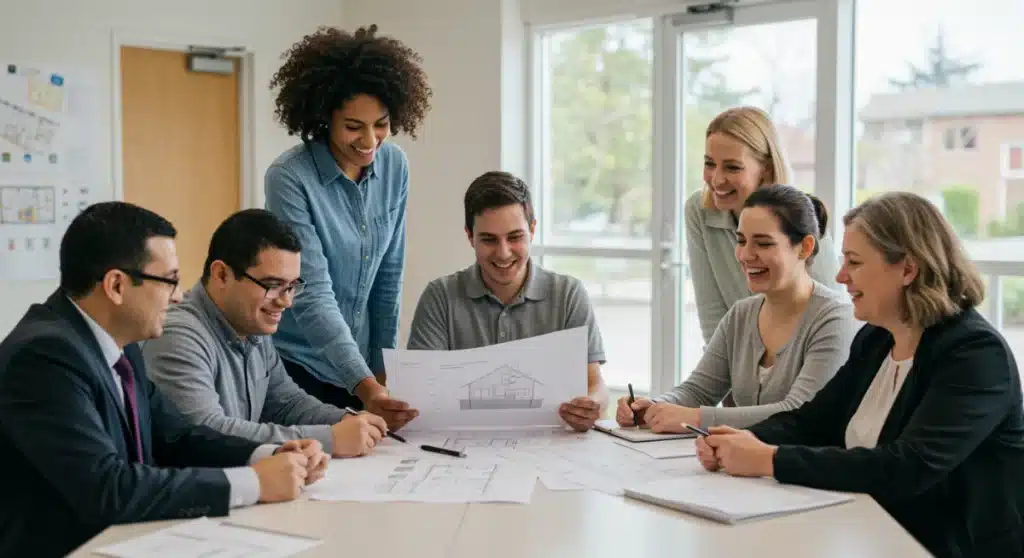
Securing effective disability housing support in 2026 involves leveraging a range of accessible housing resources and navigating various funding opportunities to ensure individuals with disabilities can achieve independent and integrated living environments.
For many individuals with disabilities, finding suitable and accessible housing remains a significant challenge. However, with the evolving landscape of resources and funding, 2026 brings renewed hope and opportunities. This comprehensive guide will delve into the various facets of disability housing support, providing essential information on accessible housing resources and how to navigate the complex world of funding opportunities to secure a safe and independent living environment.
Understanding the Landscape of Accessible Housing in 2026
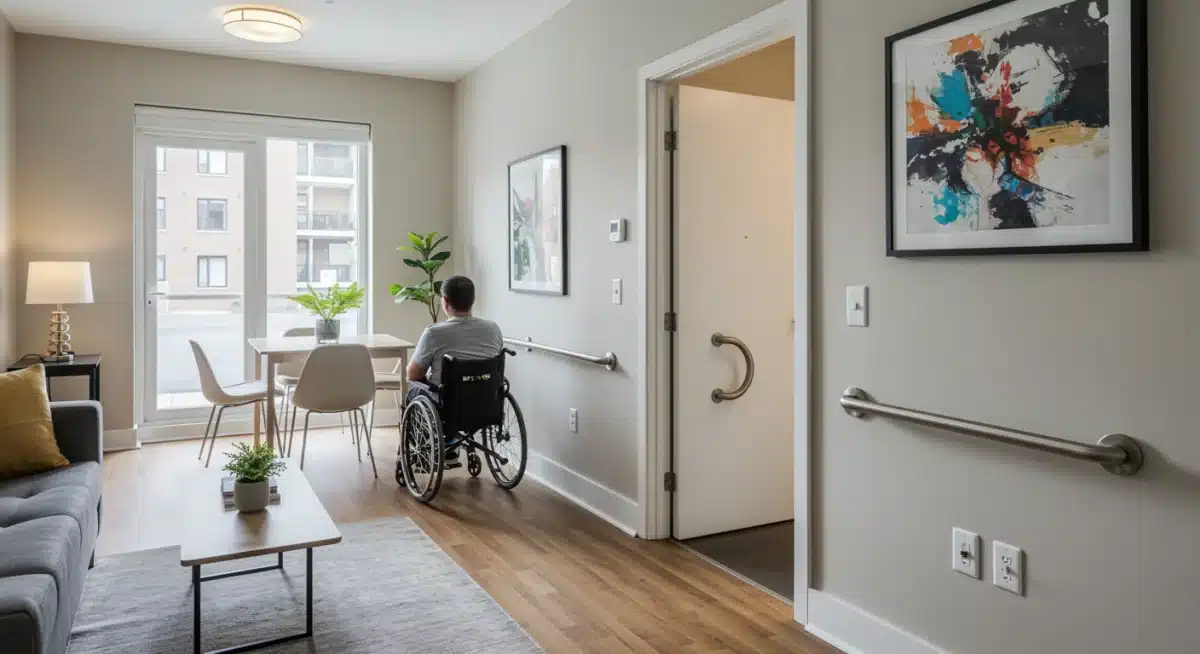
The concept of accessible housing goes beyond mere ramps and widened doorways; it encompasses a holistic approach to creating living spaces that are functional, safe, and comfortable for individuals with diverse disabilities. In 2026, this landscape is characterized by innovative designs, smart home technologies, and a growing emphasis on community integration.
Accessible housing is not just about compliance with regulations; it’s about fostering independence and improving quality of life. The demand for such housing continues to rise, pushing for more inclusive urban planning and construction practices across the United States. Understanding the different types of accessible housing available is the first step toward securing the right fit.
Key Features of Accessible Housing
- Zero-step entrances: Eliminating stairs or thresholds at entrances for easy access.
- Wide doorways and hallways: Ensuring passage for wheelchairs and other mobility aids.
- Roll-in showers and grab bars: Enhancing safety and independence in bathrooms.
- Adjustable countertops and sinks: Accommodating various height requirements in kitchens and bathrooms.
Beyond physical modifications, the ideal accessible home in 2026 often incorporates smart home technology. These innovations can range from voice-activated lighting and temperature controls to integrated security systems and remote-controlled appliances, all designed to empower residents with greater autonomy. This blend of physical and technological accessibility is crucial for modern disability housing support.
The goal is to create environments where individuals with disabilities can thrive, participate fully in their communities, and live with dignity. This means considering not just the interior of a home, but also its proximity to public transportation, healthcare facilities, and social services. The push for integrated communities is a significant trend in accessible housing development.
Navigating Federal Programs and Funding Opportunities
Federal programs play a pivotal role in providing disability housing support and funding. These initiatives are designed to address the unique housing needs of individuals with disabilities, offering a range of assistance from rental subsidies to home modification grants. Understanding these programs is crucial for accessing available resources.
The Department of Housing and Urban Development (HUD) is a primary source of federal housing assistance. Their programs aim to increase the availability of affordable housing, combat homelessness, and ensure fair housing practices for all, including those with disabilities. Staying informed about these programs’ eligibility criteria and application processes is essential.
HUD Programs for Disability Housing
- Section 811 Supportive Housing for Persons with Disabilities: Provides capital advances and rental assistance for very low-income adults with disabilities.
- Housing Choice Vouchers (Section 8): Offers rental subsidies to help low-income families, the elderly, and people with disabilities afford decent, safe, and sanitary housing.
- Continuum of Care (CoC) Program: Supports community-based efforts to end homelessness, often including housing for individuals with disabilities.
Beyond HUD, other federal agencies also contribute to disability housing support. For instance, the Department of Veterans Affairs (VA) offers specific housing assistance programs for veterans with service-connected disabilities, such as Specially Adapted Housing (SAH) grants. These grants can help veterans build or modify homes to accommodate their needs.
It’s important to remember that federal funding often flows through state and local agencies. Therefore, connecting with local housing authorities and disability services organizations can provide valuable insights into how to access these federal resources in your specific area. These local entities can help with applications and provide additional support tailored to regional needs.
State and Local Initiatives for Accessible Living
While federal programs lay a strong foundation, state and local initiatives often provide more localized and specialized disability housing support. These programs are tailored to the specific needs and demographics of a given state or community, addressing gaps that federal programs might not fully cover. They represent a critical layer of assistance for individuals seeking accessible housing.
Many states have their own housing finance agencies (HFAs) that administer programs to fund affordable housing developments, including those designed for individuals with disabilities. These agencies might offer low-interest loans, tax credits, or direct grants to developers and homeowners for creating or modifying accessible units. Researching your state’s HFA website is a valuable step.
Examples of State and Local Support
- State-specific rental assistance programs: Often supplement federal Section 8 vouchers or provide assistance to those on waiting lists.
- Home modification grants: Funds available for necessary adaptations to existing homes to improve accessibility.
- Accessible housing registries: Databases maintained by local governments or non-profits listing available accessible units.
Local municipalities also play a significant role. City and county housing departments often have programs aimed at preventing homelessness, providing emergency housing, and supporting independent living for people with disabilities. Community Development Block Grants (CDBG) from HUD are frequently channeled through local governments to fund such initiatives.
Furthermore, many non-profit organizations operate at the state and local levels, offering direct services, advocacy, and sometimes even their own housing programs. These organizations can be invaluable resources for navigating the complex system of housing support, providing guidance, and connecting individuals with appropriate services. Engaging with these local networks is highly recommended.
Non-Profit Organizations and Advocacy Groups
Beyond government programs, a vast network of non-profit organizations and advocacy groups provides crucial disability housing support. These groups often fill critical gaps, offering specialized services, direct assistance, and a powerful voice for policy change. Their work is essential in ensuring that individuals with disabilities have access to safe, affordable, and accessible housing options.
Many non-profits focus on specific types of disabilities or particular housing needs, allowing them to develop deep expertise and targeted solutions. They can offer guidance on everything from finding accessible apartments to advocating for reasonable accommodations from landlords. These organizations often have strong community ties and can connect individuals with local resources.
Services Offered by Non-Profits
- Housing search assistance: Helping individuals find available accessible units.
- Rental assistance and emergency funding: Providing temporary financial aid to prevent homelessness.
- Home modification expertise: Connecting individuals with contractors and funding for home adaptations.
- Legal aid and advocacy: Representing tenants in disputes and advocating for stronger accessible housing laws.
Advocacy groups are also instrumental in shaping public policy and raising awareness about the importance of accessible housing. They work to ensure that new construction meets accessibility standards, that existing housing is retrofitted, and that discriminatory practices are challenged. Joining or supporting these groups can amplify the collective voice for change.
Connecting with these organizations is often a direct path to support. They can provide personalized advice, share information about lesser-known funding sources, and offer a sense of community. Their dedication to improving the lives of individuals with disabilities makes them indispensable partners in the journey to secure appropriate housing.
Innovative Solutions and Future Trends in Accessible Housing
The landscape of disability housing support is constantly evolving, with innovative solutions and emerging trends shaping the future of accessible living. In 2026, we see a greater emphasis on integrated smart home technologies, universal design principles, and collaborative community models that aim to enhance independence and quality of life for individuals with disabilities.
Smart home technology is no longer a luxury but an increasingly integral part of accessible housing. Devices that control lighting, temperature, security, and even appliances through voice commands or accessible interfaces are becoming more common. These technologies empower residents to manage their environment with greater ease and autonomy.
Emerging Trends in Accessible Housing
- Modular and prefabricated accessible homes: Offering faster construction and customizable, accessible designs.
- Co-housing and intentional communities: Models that promote social interaction and mutual support among residents, often with integrated accessibility.
- Aging-in-place technologies: Innovations that support older adults and individuals with disabilities to remain in their homes longer.
Universal design principles are also gaining wider acceptance. This approach focuses on creating environments that are inherently accessible to all people, regardless of age, ability, or status, without the need for adaptation or specialized design. It moves beyond compliance to create spaces that are intuitive and usable by everyone.
Furthermore, there’s a growing movement towards more integrated and inclusive communities. This means not just accessible homes, but also accessible public spaces, transportation, and social services. The future of disability housing support lies in creating environments where individuals with disabilities are not merely accommodated, but are fully included and empowered to participate in all aspects of community life.
Applying for Housing and Maximizing Your Chances
Applying for disability housing support and funding can be a detailed process, requiring careful attention to documentation, eligibility criteria, and application deadlines. Maximizing your chances of success involves thorough preparation, understanding the application landscape, and potentially seeking assistance from housing counselors or advocacy groups.
The first step is to gather all necessary documentation, which typically includes proof of disability, income verification, identification, and any relevant medical records. Many programs have specific income limits and disability definitions, so ensuring you meet these criteria is fundamental. Incomplete applications are a common reason for delays or rejections.
Tips for a Successful Application
- Start early: Many programs have waiting lists, so applying as soon as possible is advisable.
- Be thorough: Provide all requested information and documentation accurately.
- Seek assistance: Connect with a housing counselor or disability advocate for guidance.
- Follow up: Periodically check on the status of your application.
Understanding the specific requirements of each program you apply to is also critical. Some programs might prioritize certain types of disabilities, while others focus on income levels or family size. Tailoring your application to highlight how you meet these specific criteria can significantly improve your chances.
Finally, persistence is key. The process can be lengthy and sometimes frustrating, but with dedication and the right support, securing appropriate accessible housing is an achievable goal. Don’t hesitate to reach out to local disability organizations; they often have valuable insights and connections that can make a substantial difference in your housing journey.
| Key Aspect | Brief Description |
|---|---|
| Accessible Housing | Homes designed with features like ramps, wide doorways, and roll-in showers for independent living. |
| Federal Funding | Programs like Section 811 and Housing Choice Vouchers from HUD provide critical financial aid. |
| State & Local Initiatives | Tailored programs and grants from state housing agencies and local governments. |
| Non-Profit Support | Organizations offering direct assistance, advocacy, and specialized housing services. |
Frequently Asked Questions About Disability Housing Support
The primary goal is to ensure individuals with disabilities have access to safe, affordable, and accessible housing that promotes independence, dignity, and full participation in community life. This includes physical accessibility and integration within supportive communities, leveraging both governmental and non-governmental resources.
Begin by contacting your local housing authority, disability advocacy groups, and state housing finance agencies. Many non-profit organizations specialize in connecting individuals with accessible housing options and can provide tailored guidance and support based on your specific needs and location.
Key federal programs include HUD’s Section 811 Supportive Housing for Persons with Disabilities and Housing Choice Vouchers (Section 8). The Department of Veterans Affairs also offers Specially Adapted Housing (SAH) grants for eligible veterans with service-connected disabilities, aiding in home modifications or construction.
Yes, several state and local programs, as well as some non-profit organizations, offer grants or low-interest loans for home modifications. These can cover expenses for ramps, wider doorways, accessible bathrooms, and other necessary adaptations to make an existing home more suitable for individuals with disabilities.
Smart home technologies significantly enhance independence by allowing individuals to control various aspects of their environment, such as lighting, temperature, and security, often through voice commands or accessible interfaces. These innovations are becoming standard features in modern accessible housing designs, offering greater autonomy.
Conclusion
Securing appropriate disability housing support in 2026 is a multi-faceted endeavor that requires a comprehensive understanding of available resources and funding opportunities. From federal and state programs to the invaluable contributions of non-profit organizations, the ecosystem of support is designed to empower individuals with disabilities to live independently and with dignity. By leveraging these resources, staying informed about innovative solutions, and diligently navigating application processes, the goal of accessible and inclusive housing becomes increasingly attainable, fostering a future where everyone has a safe and supportive place to call home.