2026 Policy Shift: Impacting Mental Wellness Access Across the US

The 2026 policy shift is set to significantly alter how Americans access mental wellness programs, introducing new regulations and funding structures that will impact availability and affordability nationwide.
As the calendar pages turn towards 2026, a significant transformation in healthcare policy is on the horizon, poised to redefine how individuals across the United States access essential mental wellness programs. This impending shift, while complex, holds the potential to reshape the landscape of mental health support, making it crucial for every American to grasp its intricacies. Understanding the 2026 Shift: How New Policies Impact Access to Mental Wellness Programs Across the US is not just an academic exercise; it’s about preparing for real-world changes that will affect countless lives.
The Legislative Landscape: Foundations of the 2026 Shift
The upcoming policy changes are not born in a vacuum but are the culmination of years of legislative debate, advocacy, and evolving public understanding of mental health. These foundational elements aim to address persistent gaps in care, enhance equity, and streamline the delivery of mental wellness services, yet they also introduce new complexities that stakeholders must navigate.
At its core, the 2026 shift is driven by a desire to integrate mental health more fully into the broader healthcare system. Historically, mental health has often been treated as a separate entity, leading to disparities in coverage, treatment, and public perception. The new policies seek to dismantle these silos, promoting a more holistic approach to well-being that recognizes the inseparable link between physical and mental health.
Key Legislative Drivers
Several legislative acts and proposed bills contribute to the framework of the 2026 changes. These include updates to existing parity laws, initiatives to expand the behavioral health workforce, and reforms aimed at improving data collection and outcomes measurement.
- Enhanced Parity Enforcement: Stricter regulations are expected to ensure that mental health benefits are on par with medical and surgical benefits, closing loopholes that previously allowed insurers to limit mental health coverage.
- Workforce Expansion Initiatives: Funding and programs designed to increase the number of mental health professionals, particularly in underserved areas, are a central component, addressing critical shortages.
- Integrated Care Models: New incentives for healthcare providers to offer integrated physical and mental health services are being introduced, fostering a more collaborative approach to patient care.
Understanding these legislative underpinnings is vital to appreciating the scope and intent of the 2026 policy shift. It’s about moving beyond piecemeal solutions towards a more cohesive and accessible mental health system for all Americans.
Navigating Insurance Coverage and Reimbursement Changes
One of the most immediate and significant impacts of the 2026 policy shift will be felt in the realm of insurance coverage and reimbursement for mental wellness programs. These changes are designed to broaden access and reduce financial barriers, but they also require careful consideration from both providers and patients.
The new policies aim to standardize coverage across different insurance plans, ensuring that a wider array of mental health services, from therapy and counseling to intensive outpatient programs, are covered at comparable rates to physical health services. This is a direct response to historical discrepancies where mental health benefits were often more restrictive or carried higher out-of-pocket costs.
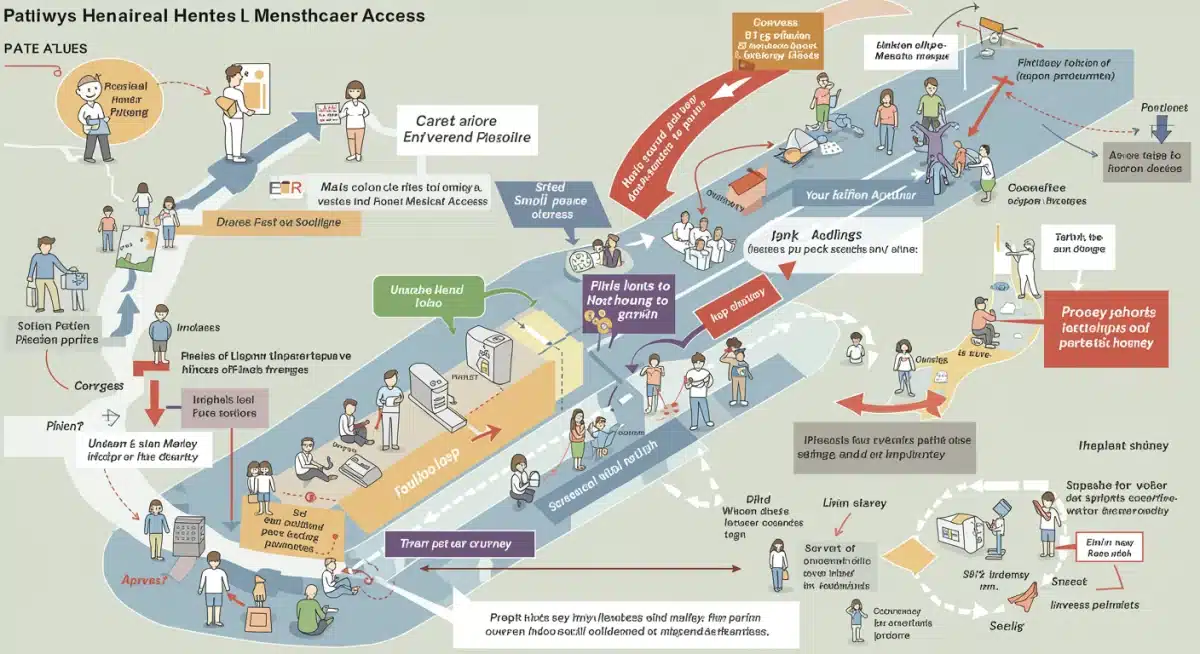
Reimbursement models are also undergoing scrutiny, with a push towards value-based care that rewards providers for positive patient outcomes rather than simply the volume of services rendered. This shift could encourage more innovative and effective treatment approaches, though it also presents a learning curve for many mental health practices.
Implications for Patients and Providers
For patients, these changes ideally mean fewer denials of care, lower co-pays, and a clearer understanding of what their insurance covers. It could also lead to greater access to a wider network of mental health professionals.
- Expanded In-Network Options: Insurers will be incentivized to expand their networks of mental health providers, reducing the need for out-of-network care and its associated higher costs.
- Reduced Out-of-Pocket Expenses: Stricter parity enforcement should lead to lower deductibles and co-insurance for mental health services, making care more affordable.
- Simplified Prior Authorization: Efforts are underway to streamline or eliminate burdensome prior authorization requirements for certain mental health treatments, speeding up access to care.
Providers, on the other hand, will need to adapt to new billing codes, documentation requirements, and potentially different payment structures. Training and support will be crucial to ensure a smooth transition and prevent disruptions in service delivery. Ultimately, the goal is to create a more equitable and efficient system for financing mental health care.
Telehealth and Digital Mental Health Platforms: A New Frontier
The role of telehealth and digital mental health platforms has exploded in recent years, and the 2026 policy shift is set to solidify their place as integral components of mental wellness access. These technologies offer unprecedented opportunities to overcome geographical barriers and increase convenience, but also pose challenges related to regulation, equity, and privacy.
New policies are expected to permanently expand reimbursement for telehealth services, ensuring that virtual therapy sessions, telepsychiatry appointments, and digital mental wellness apps are covered by insurance at rates comparable to in-person care. This is a critical step in making mental health support more accessible to individuals in rural areas, those with mobility issues, or anyone facing time constraints.
Beyond traditional telehealth, the policy shift also acknowledges the growing ecosystem of digital mental health tools, including AI-powered chatbots, virtual reality therapy, and personalized wellness apps. Regulations are being developed to ensure the safety, efficacy, and privacy of these emerging technologies, balancing innovation with patient protection.
Ensuring Equitable Access and Quality
While the promise of digital mental health is vast, policymakers are also addressing potential pitfalls, particularly concerning equitable access and quality of care. The digital divide remains a concern, as not everyone has reliable internet access or the necessary devices.
- Broadband Expansion Initiatives: Government programs are being funded to expand high-speed internet access in underserved communities, directly supporting telehealth adoption.
- Digital Literacy Programs: Efforts to educate individuals on how to effectively use digital mental health platforms are anticipated, ensuring technology does not become a new barrier.
- Standardization of Digital Tools: Guidelines and certifications for digital mental health apps are being developed to help consumers identify reputable and effective resources.
The integration of telehealth and digital platforms represents a monumental step forward, promising a more flexible and responsive mental health system. However, continuous monitoring and adaptation of policies will be essential to realize their full potential while safeguarding against unintended consequences.
Addressing Disparities: Equity and Inclusion in Mental Wellness
A central tenet of the 2026 policy shift is a concerted effort to address long-standing disparities in mental wellness access, particularly for underserved and marginalized communities. These new policies aim to dismantle systemic barriers related to race, ethnicity, socioeconomic status, gender identity, sexual orientation, and geographic location, fostering a more equitable and inclusive mental health system.
Historically, certain populations have faced disproportionate challenges in accessing quality mental healthcare, often due to a combination of cultural stigma, lack of culturally competent providers, language barriers, and financial constraints. The new policies recognize these systemic issues and propose targeted interventions to bridge these gaps.
This includes funding for programs that train culturally diverse mental health professionals, incentives for providers to practice in underserved areas, and support for community-based organizations that offer culturally sensitive mental wellness programs. The emphasis is on meeting individuals where they are, both geographically and culturally.
Targeted Initiatives for Vulnerable Populations
- Culturally Competent Care Training: Mandates and funding for training programs that equip mental health professionals with the skills to provide culturally sensitive care to diverse populations.
- Language Access Services: Requirements for healthcare providers to offer robust language interpretation and translation services to ensure effective communication for non-English speakers.
- Community Mental Health Centers Funding: Increased investment in community mental health centers, which often serve as vital access points for low-income and uninsured individuals.
By prioritizing equity and inclusion, the 2026 policy shift seeks to ensure that mental wellness is not a privilege but a fundamental right accessible to all Americans, regardless of their background or circumstances. This will require ongoing commitment and a willingness to adapt strategies as new data emerges.
Impact on Specific Populations: Youth, Seniors, and Rural Communities
While the 2026 policies aim for broad improvements, their impact will be particularly pronounced for specific demographic groups: youth, seniors, and individuals residing in rural communities. Each of these populations faces unique challenges regarding mental wellness, and the new policies offer tailored approaches to address their distinct needs.
For youth, the focus is on early intervention and school-based mental health services. Recognizing the rising rates of mental health challenges among children and adolescents, the policies advocate for increased funding for school counselors, psychologists, and social workers, as well as the integration of mental health screenings into routine pediatric care. The goal is to identify issues early and provide support before they escalate.
Seniors, often grappling with issues like isolation, chronic illness, and grief, will also see enhanced support. Policies are expected to expand access to geriatric mental health specialists and integrate mental wellness screenings into Medicare annual wellness visits. There’s also an emphasis on home-based mental health services to support seniors who may have difficulty accessing traditional clinic settings.
Bridging Gaps in Rural Healthcare
Rural communities, characterized by limited access to healthcare providers and significant geographical barriers, are a major focus. The expansion of telehealth, as discussed earlier, is particularly transformative for these areas, but other initiatives are also critical.
- Rural Mental Health Provider Incentives: Programs offering loan forgiveness or grants for mental health professionals who commit to working in rural or underserved areas.
- Mobile Mental Health Units: Funding for mobile clinics that can bring mental health services directly to remote communities, overcoming transportation challenges.
- Community Health Worker Programs: Support for training and deploying community health workers who can connect rural residents with mental health resources and provide basic support.
By targeting these specific populations with customized strategies, the 2026 policy shift endeavors to create a more responsive and inclusive mental health system that leaves no one behind, ensuring that critical support is available to those who need it most, regardless of age or location.
Preparing for the Future: What Individuals and Communities Can Do
As the 2026 policy shift approaches, proactive engagement from individuals and communities will be crucial to maximize the benefits and navigate potential challenges. While policymakers are laying the groundwork, local action and personal preparedness can significantly influence the effectiveness of these changes in practice.
For individuals, staying informed about your insurance coverage and understanding the new benefits available will be paramount. This includes reviewing policy documents, contacting insurance providers, and utilizing resources provided by state and federal health agencies. Advocacy for mental health services within your local community can also play a vital role in shaping how these policies are implemented on the ground.
Communities, too, have a significant role to play. Local governments, non-profit organizations, and healthcare systems can collaborate to identify existing gaps in mental wellness provisions and strategically align with the new federal policies to fill those needs. This might involve developing new community mental health programs, expanding existing ones, or investing in infrastructure that supports telehealth access.
Actionable Steps for Engagement
Taking concrete steps now can help ensure a smoother transition and better outcomes when the new policies fully take effect.
- Stay Informed: Regularly check official government health websites and reputable mental health organizations for updates on policy changes and new resources.
- Advocate Locally: Participate in community meetings, contact local representatives, and support organizations that champion mental health initiatives in your area.
- Utilize Employer Resources: If applicable, understand your employer-sponsored mental health benefits and inquire about how they will adapt to the 2026 changes.
The 2026 policy shift represents a pivotal moment for mental wellness in the US. By understanding its implications and actively preparing, individuals and communities can help ensure that these changes truly lead to a more accessible, equitable, and effective mental health system for everyone.
| Key Policy Area | Brief Description of Impact |
|---|---|
| Insurance Coverage | Expanded benefits, stricter parity enforcement, and reduced out-of-pocket costs for mental health services. |
| Telehealth Integration | Permanent expansion of telehealth reimbursement, increasing remote access to mental wellness programs. |
| Equity & Inclusion | Targeted initiatives to address disparities in access for marginalized and underserved communities. |
| Workforce Development | Funding and programs to increase the number of mental health professionals, especially in critical areas. |
Frequently asked questions about 2026 mental wellness access
The primary goals include enhancing mental health parity in insurance, expanding access to care through telehealth, addressing disparities for underserved populations, and strengthening the mental health workforce across the United States. These policies aim for a more integrated and accessible healthcare system.
Insurance coverage is expected to see stricter enforcement of mental health parity laws, leading to more comprehensive benefits and reduced out-of-pocket costs. This means mental health services should be covered similarly to physical health services, increasing affordability and accessibility for many.
Telehealth and digital mental health platforms are set to become permanent fixtures, with expanded insurance reimbursement. This will significantly increase access to mental wellness programs, especially for individuals in rural areas or those with mobility challenges, making care more convenient and widespread.
Yes, the policies include targeted initiatives for youth, focusing on early intervention and school-based services. For seniors, there’s an emphasis on geriatric mental health specialists and integrated screenings, aiming to provide tailored support for these vulnerable age groups.
Communities can prepare by identifying local mental health gaps, collaborating with healthcare systems, and advocating for resources. Investing in community mental health programs and supporting infrastructure for telehealth access will be crucial for effective local implementation of the new policies.
Conclusion
The 2026 policy shift marks a pivotal moment for mental wellness in the United States, promising a more integrated, equitable, and accessible healthcare landscape. By understanding the legislative foundations, changes in insurance and telehealth, and targeted efforts for vulnerable populations, individuals and communities can proactively engage with these transformations. The ultimate goal is to ensure that mental wellness programs are not just available, but truly accessible to everyone, fostering a healthier and more resilient nation.