CDBG 2026: Navigating Community Development Grant Opportunities
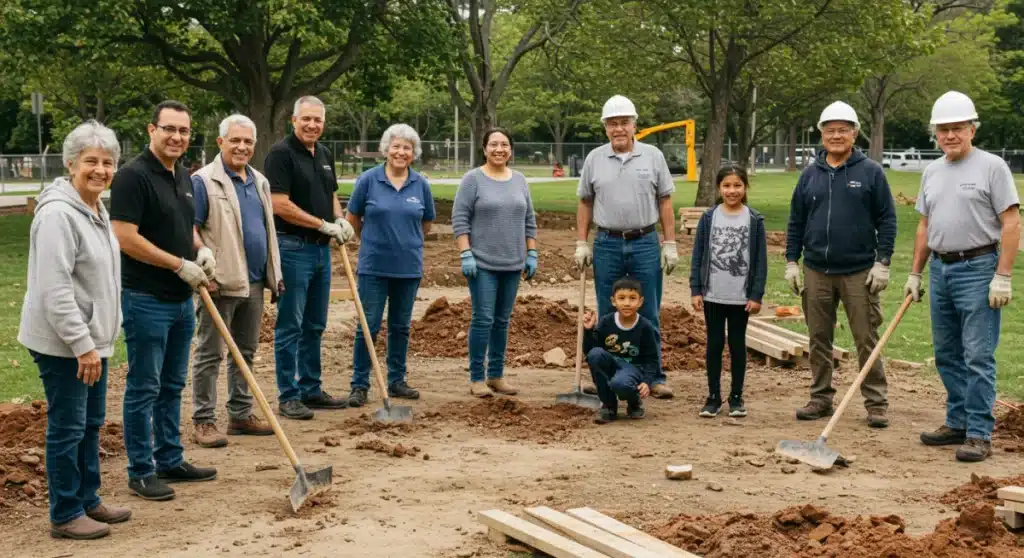
The 2026 Community Development Block Grant (CDBG) program offers vital funding for community development, focusing on housing, infrastructure, and economic opportunities for low- and moderate-income individuals.
Are you ready to explore the future of community transformation? Understanding the nuances of Comparing 2026 Community Development Block Grant (CDBG) Opportunities: What You Need to Know is crucial for local governments and non-profits aiming to uplift their communities. These federal funds are a cornerstone for addressing critical needs, from housing to economic development, making a tangible difference in the lives of many.
Understanding the CDBG Program: A Foundation for 2026
The Community Development Block Grant (CDBG) program, administered by the U.S. Department of Housing and Urban Development (HUD), stands as one of the longest-running federal initiatives supporting community development. Established in 1974, its primary objective is to develop viable urban communities by providing decent housing, a suitable living environment, and expanding economic opportunities, principally for low- and moderate-income persons. For 2026, the core principles remain steadfast, yet the evolving landscape of community needs and federal priorities will undoubtedly shape its application and impact.
Local governments, including cities, counties, and states, are the direct recipients of CDBG funds. These entities then sub-grant the funds to various projects and programs that align with the CDBG’s broad objectives. The flexibility of CDBG funds is a significant advantage, allowing communities to tailor solutions to their specific challenges rather than being confined to rigid federal mandates. This adaptability is key to understanding the potential opportunities in 2026, as communities will continue to face diverse and complex issues requiring innovative and localized approaches.
Eligibility and Core Objectives
To qualify for CDBG funding, activities must meet one of three national objectives:
- Benefit low- and moderate-income persons.
- Aid in the prevention or elimination of slums or blight.
- Address an urgent community development need posing a serious and immediate threat to the health or welfare of the community.
These objectives ensure that the funds are directed towards areas and populations most in need, fostering equitable development. Grantees must demonstrate how their proposed projects directly contribute to one or more of these national objectives, a requirement that will remain central to the 2026 application process.
Furthermore, the program emphasizes community participation in the planning process. This ensures that projects are not only federally compliant but also reflect the genuine needs and aspirations of the residents they are intended to serve. Engaging community stakeholders, including residents, local businesses, and non-profits, is a critical step in developing successful CDBG applications and will be increasingly vital for 2026.
In essence, the CDBG program for 2026 will continue to serve as a flexible yet targeted mechanism for improving the quality of life in American communities. Its enduring structure, combined with evolving national priorities, will define the types of projects that receive funding and the impact they ultimately achieve.
Key Changes and Anticipated Priorities for CDBG in 2026
As we look towards 2026, several factors are likely to influence the CDBG program’s priorities and potential changes. While the foundational goals of CDBG remain constant, shifts in national policy, economic conditions, and emerging societal challenges often lead to adjustments in funding emphasis and program guidance. Staying abreast of these anticipated changes is crucial for successful grant applications.
One significant area of focus could be climate resilience and sustainable development. With increasing awareness of climate change impacts, communities are seeking funds to implement green infrastructure, energy-efficient housing, and disaster preparedness measures. CDBG funds, with their inherent flexibility, are well-suited for such initiatives, and HUD may issue specific guidance encouraging these types of projects in 2026.
Another potential priority is the continued emphasis on equitable development and addressing systemic inequalities. This could translate into stronger requirements or incentives for projects that specifically target historically underserved communities, promote racial equity, or address the root causes of poverty and disadvantage. Applicants will need to articulate clearly how their projects advance these broader societal goals.
Technological Integration and Data-Driven Approaches
The increasing role of technology in urban planning and service delivery is also likely to influence CDBG. We might see a greater emphasis on:
- Smart city initiatives: Projects incorporating technology to improve urban services, such as traffic management, public safety, and resource efficiency.
- Digital inclusion: Programs aimed at bridging the digital divide by providing access to broadband internet and digital literacy training, particularly in low-income areas.
- Data-driven decision making: Grantees may be encouraged, or even required, to use data analytics to identify community needs, measure project effectiveness, and report outcomes.
These technological considerations highlight a move towards more efficient and measurable community development interventions. Applicants who can demonstrate how their projects leverage technology for greater impact will likely have a competitive edge.
Furthermore, the post-pandemic recovery efforts may still influence funding distribution, particularly concerning economic revitalization and support for small businesses in distressed areas. The focus will likely remain on creating resilient local economies that can withstand future shocks. Understanding these potential shifts and aligning project proposals accordingly will be vital for communities seeking CDBG funding in 2026.
Eligibility Requirements and Application Process for 2026
Navigating the eligibility requirements and application process for CDBG funds can be complex, but a clear understanding is essential for success. While the fundamental structure is expected to remain consistent for 2026, applicants should always refer to the latest HUD guidelines and local entitlement program requirements, as these can vary.
Direct recipients of CDBG funds are typically what HUD refers to as “entitlement communities.” These include central cities of metropolitan areas, other metropolitan cities with populations of at least 50,000, and urban counties with populations of at least 200,000 (excluding the populations of any entitlement cities within their boundaries). These entities receive annual allocations directly from HUD.
Non-entitlement communities, or smaller cities and rural areas, generally access CDBG funds through their respective state CDBG programs. States receive their own allocations and then distribute them to eligible local governments through a competitive application process tailored to state-specific priorities.
Key Application Components
Regardless of whether you apply as an entitlement community or through a state program, several core components are universally required for a CDBG application:
- Consolidated Plan (Con Plan): This is a five-year strategic plan that identifies community needs and specifies how federal funds, including CDBG, HOME, ESG, and HOPWA, will be used to address those needs. It includes a one-year Annual Action Plan.
- Citizen Participation Plan: Demonstrates how the community will be involved in the planning, implementation, and evaluation of CDBG-funded activities.
- Environmental Review: All CDBG-funded projects must undergo an environmental review process to ensure compliance with federal environmental laws.
- Project Proposal: A detailed description of the proposed activities, including how they meet CDBG national objectives, project budget, timeline, and expected outcomes.
The application process demands meticulous planning, robust data collection to justify proposed projects, and strong community engagement. For 2026, applicants should anticipate a continued emphasis on measurable outcomes and the ability to demonstrate how projects will achieve tangible benefits for low- and moderate-income individuals. Early preparation and thorough review of HUD’s official guidance and any specific state program requirements are paramount.
Maximizing Your Chances: Strategies for Successful CDBG Applications in 2026
Securing CDBG funding requires more than just a good idea; it demands strategic planning, meticulous preparation, and a deep understanding of the program’s objectives. For 2026, as competition for resources remains high, communities must refine their approach to stand out. Successful applications are typically those that align perfectly with both federal and local priorities, demonstrating clear impact and efficient use of funds.
One of the most critical strategies is to conduct a thorough needs assessment within your community. This isn’t just about identifying problems but about quantifying them with data and understanding their root causes. A well-documented needs assessment provides the empirical evidence necessary to justify your proposed projects and demonstrate their urgency and relevance to CDBG’s national objectives. Engaging community members in this process also strengthens the application by showing broad-based support and understanding of local challenges.
Furthermore, building strong partnerships is invaluable. Collaborating with local non-profits, community organizations, educational institutions, and private sector entities can enhance the scope and impact of your projects. These partnerships can bring additional resources, expertise, and a broader reach, making your proposal more attractive to reviewers. They also demonstrate a holistic approach to community development, rather than isolated interventions.
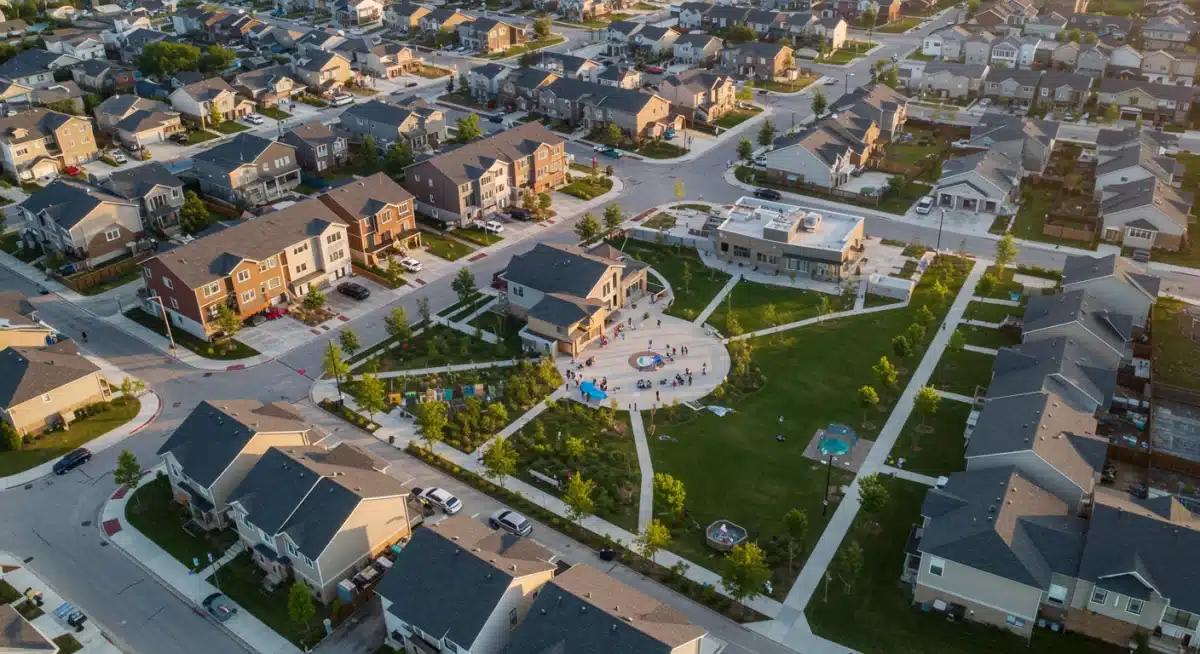
Crafting a Compelling Proposal
Your project proposal is the heart of your application. Here are key elements to focus on:
- Clear Objectives and Outcomes: Clearly state what you aim to achieve and how you will measure success. Use specific, measurable, achievable, relevant, and time-bound (SMART) objectives.
- Detailed Budget: Provide a realistic and thoroughly itemized budget that clearly outlines how CDBG funds will be used. Ensure all costs are eligible under CDBG regulations.
- Sustainability Plan: Demonstrate how the project’s benefits will be sustained beyond the grant period. This shows long-term vision and maximizes the return on investment.
- Compliance and Risk Mitigation: Address how you will comply with all federal regulations, including environmental reviews, fair housing, and labor standards. Outline potential risks and how they will be mitigated.
Lastly, pay close attention to the narrative quality of your application. While data is crucial, the story of your community’s needs and how your project will address them can resonate deeply. A well-written, persuasive narrative that is both professional and compelling can significantly enhance your application’s appeal. Reviewers are looking for projects that are not only compliant and well-planned but also genuinely transformative for the communities they serve.
Common Pitfalls to Avoid in CDBG Funding Applications
Even with a strong understanding of CDBG objectives, many applicants encounter obstacles that can jeopardize their funding chances. Identifying and proactively addressing these common pitfalls is as important as understanding the requirements themselves. For 2026, avoiding these missteps will be critical for securing competitive grants.
One frequent issue is a lack of clear alignment with CDBG national objectives. Every proposed activity must explicitly demonstrate how it benefits low- and moderate-income persons, aids in the prevention or elimination of slums or blight, or meets an urgent need. Vague connections or assumptions will not suffice; applicants must provide a direct and quantifiable link between their project and at least one of these objectives. This often requires careful framing of the project’s purpose and expected outcomes.
Another significant pitfall is insufficient or poorly executed community engagement. CDBG places a high value on citizen participation. A superficial public hearing or a hastily assembled advisory committee will not meet the spirit or letter of the requirement. Applicants must demonstrate a robust, inclusive, and ongoing process of engaging residents, particularly those who will be directly affected by the proposed projects. Failure to do so can signal a lack of local buy-in or an inability to accurately assess community needs.
Administrative and Financial Missteps
Beyond programmatic alignment, administrative and financial errors can derail an otherwise strong application:
- Incomplete or Inaccurate Documentation: Missing forms, incorrect data, or inconsistencies across various application components can lead to immediate disqualification or significant delays.
- Unrealistic Budgets: Budgets that are either inflated or underestimated, or that include ineligible expenses, raise red flags. All budget items must be justifiable and directly tied to project activities.
- Failure to Address Environmental Review: The environmental review process is mandatory. Neglecting this step or not adequately addressing potential environmental impacts can halt a project before it even begins.
Furthermore, some communities make the mistake of proposing projects that are too ambitious given their administrative capacity or available resources, leading to implementation challenges later. It is far better to propose a well-defined, manageable project that can be executed successfully than an overly complex one that risks failure. Being realistic about capacity and ensuring all federal compliance steps are thoroughly addressed will significantly improve the chances of a successful CDBG application in 2026.
Case Studies: Successful CDBG Initiatives and Lessons Learned
Examining past successes in CDBG funding provides invaluable insights for future applicants. These case studies highlight not only the diverse applications of CDBG funds but also the effective strategies employed by communities to achieve their development goals. For 2026, understanding these lessons learned can inspire new approaches and strengthen existing ones.
Consider the city of Richmond, California, which utilized CDBG funds to create a successful first-time homebuyer assistance program. By providing down payment assistance and housing counseling, the program helped numerous low- and moderate-income families achieve homeownership, contributing to neighborhood stabilization and wealth building. The lesson here is the power of combining direct financial aid with supportive services to create lasting impact.
Another example is the revitalization of downtown areas in smaller, rural communities across states like Iowa and Kansas. CDBG funds were often leveraged to renovate historic buildings, improve public infrastructure like sidewalks and street lighting, and support small business growth. These projects transformed neglected commercial districts into vibrant hubs, attracting new businesses and residents. This demonstrates the program’s ability to stimulate economic activity and improve the quality of life in areas beyond major metropolitan centers.
Innovations in Community Services
CDBG has also been instrumental in supporting innovative community services:
- Youth development programs: Funding for after-school programs, mentorship initiatives, and job training for at-risk youth, leading to improved educational outcomes and reduced crime rates.
- Homelessness prevention: Grants used for emergency shelters, rapid re-housing programs, and supportive services for individuals experiencing homelessness, providing critical safety nets.
- Accessibility improvements: Projects focused on making public spaces and facilities accessible for individuals with disabilities, promoting inclusivity and equal access to community resources.
These diverse examples underscore the versatility of CDBG funds in addressing a wide array of community needs. A common thread among these successful initiatives is strong local leadership, effective partnerships, and a clear vision for how the funds would address identified community challenges. They also emphasize the importance of robust data collection to demonstrate project impact, a factor that will continue to be crucial for CDBG 2026 opportunities. Learning from these projects allows future applicants to adapt proven strategies to their unique local contexts, maximizing their potential for success.
The Future Landscape: Navigating CDBG in a Changing Environment
The landscape of community development is constantly evolving, influenced by demographic shifts, economic trends, and environmental concerns. For CDBG 2026 opportunities, understanding this dynamic environment is key to developing programs that are not only effective but also forward-thinking and resilient. Future-proofing community development initiatives will be a significant challenge and opportunity for grantees.
One major aspect of this changing environment is the increasing focus on equitable and inclusive growth. Communities are grappling with issues such as gentrification, displacement, and persistent disparities in access to resources and opportunities. CDBG funds can play a crucial role in mitigating these challenges by supporting affordable housing development, anti-displacement strategies, and programs that foster economic mobility for marginalized populations. Proactive planning that anticipates these social dynamics will be highly valued.
Technological advancements also continue to reshape how communities operate and interact. From smart infrastructure to digital literacy programs, integrating technology into CDBG-funded projects can enhance efficiency, expand reach, and improve service delivery. For instance, funding for broadband expansion in underserved areas or for digital skills training can empower residents and bridge the digital divide, a growing concern in many communities.
Building Resilient Communities
The impact of climate change and the need for greater resilience will undoubtedly shape CDBG priorities:
- Disaster preparedness and recovery: Funding for projects that help communities prepare for, respond to, and recover from natural disasters, including infrastructure hardening and early warning systems.
- Sustainable infrastructure: Investment in green infrastructure, such as permeable surfaces and urban tree canopies, to manage stormwater, reduce urban heat island effects, and improve air quality.
- Energy efficiency and renewable energy: Programs promoting energy-efficient housing retrofits and the adoption of renewable energy sources, reducing utility costs for low-income residents and lowering carbon footprints.
Ultimately, navigating CDBG in this changing environment requires a holistic approach that integrates social equity, technological innovation, and environmental sustainability. Communities that can demonstrate a comprehensive understanding of these interconnected challenges and propose integrated solutions will be best positioned to leverage CDBG funds effectively in 2026 and beyond. This forward-looking perspective ensures that investments today yield sustainable benefits for future generations.
| Key Aspect | Brief Description |
|---|---|
| Purpose | Develop viable communities, provide housing, and expand economic opportunities for low- to moderate-income persons. |
| Eligibility | Entitlement communities (cities over 50k, urban counties over 200k) directly, others via state programs. |
| 2026 Priorities | Likely focus on climate resilience, equitable development, and technological integration. |
| Application Tips | Thorough needs assessment, strong partnerships, clear objectives, and detailed budgeting. |
Frequently Asked Questions about CDBG 2026 Opportunities
The primary goals for CDBG in 2026 remain consistent with its historical mission: to develop viable communities by providing decent housing, a suitable living environment, and expanding economic opportunities, principally for low- and moderate-income persons. Specific emphasis may shift towards climate resilience and equitable development.
Direct CDBG funds are allocated to “entitlement communities” (cities over 50,000 population and urban counties over 200,000). Smaller communities and rural areas typically access CDBG funds through their respective state programs, which issue competitive grants.
CDBG funds a wide array of projects including housing rehabilitation, public infrastructure improvements (water, sewer, streets), economic development initiatives, public services (e.g., senior centers, youth programs), and homelessness prevention efforts. Projects must meet one of three national objectives.
Community engagement is critically important. Applicants must demonstrate a robust and inclusive citizen participation process, involving residents in identifying needs, planning projects, and evaluating outcomes. This ensures projects reflect genuine local priorities and have broad support.
The most current guidance will be available through the U.S. Department of Housing and Urban Development (HUD) website and your specific state’s housing or community development agency. Always consult official publications and technical assistance resources for the latest requirements and deadlines.
Conclusion
As we have explored, Comparing 2026 Community Development Block Grant (CDBG) Opportunities: What You Need to Know reveals a program that consistently adapts to the evolving needs of American communities while maintaining its core mission. The flexibility of CDBG funds empowers local governments to address critical issues ranging from affordable housing and infrastructure improvements to economic development and public services. Successful navigation of the 2026 landscape will hinge on a clear understanding of eligibility, proactive engagement with community stakeholders, meticulous application preparation, and a keen awareness of emerging priorities such as climate resilience and equitable growth. By strategically aligning projects with federal objectives and demonstrating measurable impact, communities can continue to leverage CDBG to foster vibrant, resilient, and inclusive environments for all residents.