Mental Health Apps 2025: Top 5 Platforms Compared
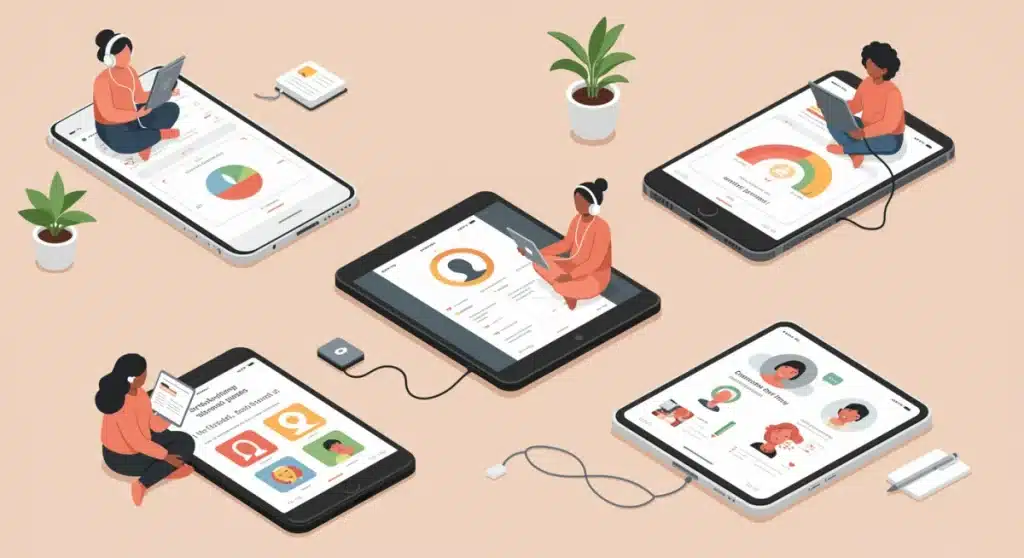
The 2025 mental health app landscape offers a diverse array of innovative digital solutions, from AI-powered therapy to personalized mindfulness, designed to enhance mental well-being and provide accessible support.
In an increasingly digital world, managing mental health has found a powerful ally in technology. The year 2025 brings forth a refined and sophisticated array of digital tools, making it crucial for individuals to understand the nuances of this evolving landscape. This article delves into the critical task of understanding the 2025 landscape of mental health apps: a comparison of 5 top-rated platforms, offering insights into how these innovations are shaping personal well-being.
The Evolution of Digital Mental Wellness in 2025
The digital mental wellness sector has witnessed exponential growth and transformation, especially by 2025. What started as simple meditation timers has blossomed into comprehensive ecosystems offering a spectrum of services. This evolution reflects a broader societal shift towards destigmatizing mental health discussions and embracing accessible, on-demand support.
Technological Advancements Driving Innovation
Several key technological advancements underpin the sophisticated features seen in today’s leading mental health apps. Artificial intelligence (AI) and machine learning (ML) are at the forefront, enabling personalized user experiences and predictive analytics for mood tracking. Furthermore, enhanced data privacy and security protocols have become paramount, building user trust in these sensitive platforms.
- AI-Powered Personalization: Algorithms now tailor content and interventions to individual user needs, learning from their interactions and progress.
- Advanced Biometric Integration: Many apps integrate with wearables to track physiological data, providing a holistic view of well-being.
- Enhanced Data Security: Robust encryption and compliance with health regulations (like HIPAA in the US) ensure user data remains confidential and secure.
The shift isn’t just about adding features; it’s about creating a more integrated and responsive support system. These apps are no longer just tools but companions in an individual’s mental health journey, offering support that adapts to their changing needs and circumstances. The emphasis on evidence-based practices, such as Cognitive Behavioral Therapy (CBT) and Dialectical Behavior Therapy (DBT), integrated into app functionalities, further solidifies their therapeutic value.
In essence, the landscape of mental health apps in 2025 is characterized by a blend of cutting-edge technology, user-centric design, and a strong commitment to clinical efficacy. This combination ensures that users receive not only convenient but also genuinely effective support.
Criteria for Evaluating Top-Rated Mental Health Apps
Selecting the right mental health app can feel overwhelming given the multitude of options available. To navigate this complex landscape, a clear set of evaluation criteria is essential. These benchmarks help users and professionals alike assess an app’s efficacy, safety, and overall value.
Key Factors for Informed Decision-Making
When comparing mental health apps, it’s crucial to look beyond surface-level features. Several fundamental aspects contribute to an app’s effectiveness and user satisfaction. These include clinical efficacy, user-friendliness, customization options, data privacy, and cost-effectiveness. A balanced consideration of these factors ensures a holistic assessment.
- Clinical Efficacy and Evidence-Base: Apps should ideally be backed by scientific research, demonstrating their effectiveness in improving mental health outcomes.
- User Experience (UX) and Interface (UI): An intuitive, engaging, and easy-to-navigate design is critical for consistent usage and positive user interaction.
- Personalization and Customization: The ability to tailor content, goals, and interventions to individual needs significantly enhances relevance and effectiveness.
- Data Privacy and Security: Given the sensitive nature of mental health information, robust privacy policies and secure data handling are non-negotiable.
- Accessibility and Cost: Apps should be accessible to a broad audience, with transparent pricing models, including free tiers or affordable subscription options.
Beyond these core criteria, additional considerations like community support features, integration with other health platforms, and the availability of professional human support (e.g., therapists, coaches) can further distinguish top-tier applications. The goal is to find an app that not only addresses specific needs but also aligns with personal preferences and values. The careful application of these evaluation criteria empowers individuals to make informed choices, ensuring they select platforms that genuinely contribute to their mental well-being in a safe and effective manner.
Deep Dive: Comparison of 5 Top-Rated Platforms
In 2025, several mental health applications stand out for their innovative features, user satisfaction, and clinical backing. This section provides a detailed comparison of five leading platforms, offering insights into their unique strengths and target audiences. Understanding these distinctions is key to finding the best fit for individual needs.
Platform 1: Calm – Mindfulness and Sleep Aid
Calm continues to be a giant in the mindfulness space, known for its extensive library of guided meditations, sleep stories, and breathing exercises. Its serene interface and celebrity voice-overs contribute to a highly immersive and relaxing user experience. Calm is particularly effective for individuals seeking to reduce stress, improve sleep quality, and practice mindfulness. While it offers a broad range of content, its primary focus remains on foundational mindfulness practices.
Its strength lies in its simplicity and the sheer volume of high-quality audio content. Users report significant improvements in sleep and anxiety levels. The app also includes mood tracking and gentle reminders to engage with daily practices. Calm’s premium subscription unlocks the full library, but a substantial free offering allows users to explore its core functionalities.
Platform 2: Headspace – Guided Meditation and Mindful Living
Headspace, similar to Calm, is a leader in guided meditation but distinguishes itself with a more structured, progressive approach to mindfulness. It offers themed courses for specific goals, such as managing anxiety, fostering self-esteem, or improving focus. The app’s playful animations and approachable language make mindfulness accessible to beginners, while advanced meditations cater to experienced practitioners.
Headspace also features ‘SOS’ meditations for moments of crisis and a dedicated ‘Move Mode’ for mindful exercise. Its commitment to evidence-based practices and partnerships with scientific institutions reinforce its credibility. The app’s subscription model provides access to its entire library of content, including short, daily mindfulness sessions designed to fit into busy schedules.
Platform 3: BetterHelp – Online Therapy and Counseling
BetterHelp stands out as a comprehensive platform for online therapy, connecting users with licensed therapists and counselors. Unlike mindfulness apps, BetterHelp provides direct, personalized support through video calls, live chat, and messaging. It caters to individuals seeking professional guidance for a wide range of mental health concerns, from depression and anxiety to relationship issues and trauma.
The platform matches users with therapists based on their needs and preferences, offering flexibility in scheduling and communication methods. Its strength lies in making professional therapy more accessible and affordable than traditional in-person sessions. While not a self-help app in the traditional sense, it empowers users with professional support, making it a critical component of the mental health app landscape.
Platform 4: MoodKit – CBT Tools for Mood Management
MoodKit is an app specifically designed to help users apply principles of Cognitive Behavioral Therapy (CBT) to manage their moods and improve well-being. It offers a suite of tools, including a thought tracker, activity planner, and mood journal, all grounded in evidence-based CBT techniques. Users can identify and challenge negative thoughts, track their emotions, and engage in activities that boost their mood.
The app’s focus on practical, actionable strategies makes it ideal for individuals who prefer a structured approach to self-improvement. It empowers users with the skills to actively work on their mental health, providing psychoeducational content and exercises. MoodKit is a paid app, reflecting its specialized content and clinical foundation, and is particularly suited for those looking for a more therapeutic self-help experience.
Platform 5: Woebot – AI-Powered Conversational Agent
Woebot represents the cutting edge of AI in mental health, functioning as a conversational chatbot that delivers CBT and DBT-based techniques. It engages users in daily check-ins, provides psychoeducation, and guides them through exercises to manage stress, anxiety, and depression. Woebot’s strength lies in its 24/7 availability and non-judgmental interaction, making it a comfortable space for users to explore their thoughts and feelings.
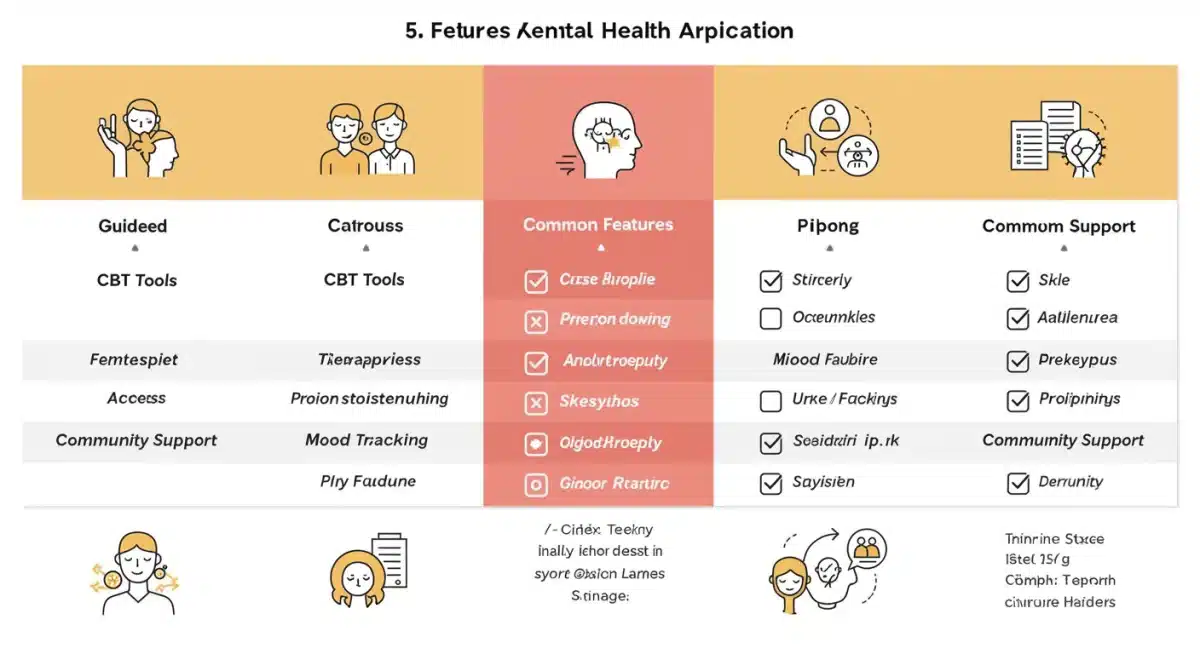
Its conversational style makes it feel like talking to a supportive friend, yet its responses are rooted in clinical protocols. Woebot continuously learns from user interactions, offering increasingly personalized support over time. It serves as an excellent tool for individuals seeking immediate support or those who may not be ready for human therapy, providing a valuable bridge in mental health care. Woebot offers a free tier with core functionalities and a premium subscription for expanded access.
Each of these five platforms offers a distinct pathway to mental wellness, catering to different needs and preferences. From the calming embrace of mindfulness to the structured guidance of CBT and the professional support of online therapy, the 2025 landscape provides diverse and effective options for enhancing mental well-being.
The Role of AI and Personalization in Mental Health Apps
Artificial intelligence (AI) and machine learning (ML) have become transformative forces in the realm of mental health applications, particularly by 2025. These technologies are not merely adding features; they are fundamentally reshaping how mental health support is delivered, making it more personalized, proactive, and effective. The integration of AI allows apps to move beyond generic content, offering truly tailored experiences.
How AI Enhances User Experience
AI algorithms analyze user data—such as mood tracking entries, interaction patterns, and expressed preferences—to deliver highly customized interventions. This personalization can manifest in various ways, from recommending specific meditation exercises to suggesting relevant CBT techniques based on identified thought patterns. The goal is to provide the right support, at the right time, for each individual.
- Adaptive Content Delivery: AI identifies what content resonates most with a user and adjusts future recommendations accordingly.
- Predictive Analytics for Mood Swings: By analyzing historical data, AI can sometimes predict potential mood changes, prompting proactive interventions.
- Personalized Goal Setting: Apps can help users set realistic and achievable mental wellness goals, tracking progress and offering encouragement.
Beyond personalization, AI-powered chatbots, like Woebot, provide immediate, judgment-free support, acting as a first line of defense for individuals experiencing distress. These chatbots are trained on vast datasets of therapeutic conversations, enabling them to offer clinically informed responses and guide users through exercises. The 24/7 availability of AI support bridges gaps in traditional mental health care, offering continuous access to resources.
The role of AI is not to replace human therapists but to augment and extend mental health support, making it more accessible and responsive. By leveraging AI, mental health apps in 2025 are capable of providing a level of individualized care that was previously unimaginable, empowering users to take a more active and informed role in their mental well-being journey.
Data Privacy and Security: A Paramount Concern
In an era where personal data is constantly exchanged, the privacy and security of sensitive mental health information within digital applications are paramount. As mental health apps become more integrated into daily lives, ensuring robust data protection measures is not just a regulatory requirement but a fundamental ethical obligation. Users must trust that their most personal thoughts and feelings are handled with the utmost care.
Protecting User Information in Digital Spaces
Leading mental health apps in 2025 prioritize data privacy through a combination of technological safeguards and strict adherence to regulatory frameworks. Compliance with health privacy laws, such as the Health Insurance Portability and Accountability Act (HIPAA) in the United States, is a baseline expectation for platforms that handle protected health information. Beyond compliance, app developers are implementing advanced encryption techniques and anonymization strategies.
- End-to-End Encryption: Ensures that all communications and data stored within the app are encrypted, preventing unauthorized access.
- Strict Access Controls: Limits who within the organization can access user data, often on a need-to-know basis.
- Transparent Privacy Policies: Clearly outlines how user data is collected, used, stored, and shared, empowering users to make informed decisions.
Furthermore, many apps are adopting decentralized data storage solutions and exploring blockchain technology to enhance security and user control over their data. The emphasis is on giving users greater autonomy, allowing them to understand and manage their digital footprint within the app. Regular security audits and vulnerability assessments are also crucial to proactively identify and mitigate potential risks.
Ultimately, a strong commitment to data privacy and security builds trust, which is essential for the effective use of mental health apps. Users are more likely to engage openly and honestly with platforms they believe are safeguarding their sensitive information, thereby maximizing the therapeutic potential of these digital tools.
Future Trends and What to Expect Beyond 2025
The landscape of mental health apps is dynamic, with continuous innovation shaping its trajectory. Beyond 2025, several emerging trends are expected to further revolutionize how individuals access and engage with mental wellness support. These developments promise even more integrated, personalized, and preventative approaches to mental health care.
Integrating Mental and Physical Health
One significant trend is the deeper integration of mental and physical health data. Future apps are likely to offer more holistic wellness platforms that connect physical activity, sleep patterns, nutrition, and mental well-being. This integrated approach recognizes the bidirectional relationship between the mind and body, providing users with a comprehensive view of their overall health. Wearable technology will play an even larger role, providing real-time biometric data that can inform personalized mental health interventions.
Another area of growth is the expanded use of virtual and augmented reality (VR/AR) for therapeutic purposes. VR environments can create immersive experiences for exposure therapy, mindfulness exercises, or relaxation, offering a novel and engaging way to address various mental health conditions. AR applications might overlay therapeutic content onto real-world environments, making interventions more contextual and accessible.
- Proactive and Preventative Care: Future apps will focus more on early intervention and preventative strategies, leveraging AI to identify risk factors before crises emerge.
- Telehealth Expansion: Seamless integration with telehealth services will become standard, allowing for smoother transitions between app-based support and professional human care.
- Gamification and Engagement: Enhanced gamification elements will make mental wellness practices more engaging and sustainable, encouraging consistent user interaction.
The development of more sophisticated AI models capable of understanding nuanced human emotions and providing empathetic responses will further blur the lines between human and AI-driven support. Ethical considerations surrounding AI’s role in mental health will also continue to evolve, ensuring that technological advancements are balanced with responsible and human-centric design. The future of mental health apps promises a more interconnected, intuitive, and empowering ecosystem for global well-being.
| Key Aspect | Brief Description |
|---|---|
| AI Personalization | Tailored content and interventions based on individual user data and preferences. |
| Data Security | Robust encryption and HIPAA compliance to protect sensitive user information. |
| Therapist Access | Platforms connecting users with licensed professionals for online counseling. |
| Holistic Integration | Future trend of combining mental and physical health data for comprehensive wellness. |
Frequently Asked Questions About Mental Health Apps in 2025
Mental health apps in 2025 employ advanced end-to-end encryption, adhere to strict regulatory compliance like HIPAA, and implement transparent privacy policies. They often use secure servers and access controls to protect sensitive user information, giving users peace of mind regarding their personal data.
Most mental health apps are designed to supplement, not replace, traditional therapy. While they offer valuable tools for self-management, mindfulness, and even AI-driven support, complex mental health conditions often require professional human intervention. Apps like BetterHelp, however, directly facilitate access to licensed therapists.
AI-powered apps are effective due to their ability to offer personalized interventions, 24/7 availability, and non-judgmental support. They leverage machine learning to adapt to user needs, provide evidence-based techniques (like CBT), and track progress, making support more accessible and tailored to individual journeys.
The quality of free versus paid mental health apps varies. Many free versions offer core functionalities that are highly beneficial, such as basic meditations or mood tracking. Paid subscriptions typically unlock a wider range of content, advanced features, or direct access to professionals, offering more comprehensive support.
Choosing the best app involves considering your specific needs, preferences, and goals. Look for apps with clinical backing, positive user reviews, strong data privacy, and a user-friendly interface. Experiment with free trials to see which platform resonates most with your personal mental wellness journey.
Conclusion
The 2025 landscape of mental health apps presents a robust and diverse ecosystem designed to support individuals in their pursuit of mental well-being. From mindfulness and meditation tools to AI-powered companions and platforms offering direct access to licensed therapists, the options are more sophisticated and personalized than ever before. By carefully evaluating platforms based on clinical efficacy, user experience, data privacy, and individual needs, users can harness the power of technology to enhance their mental health journey. The future promises even greater integration and innovation, solidifying mental health apps as an indispensable component of modern wellness.