Community Health Programs: Free & Low-Cost Screenings 2025
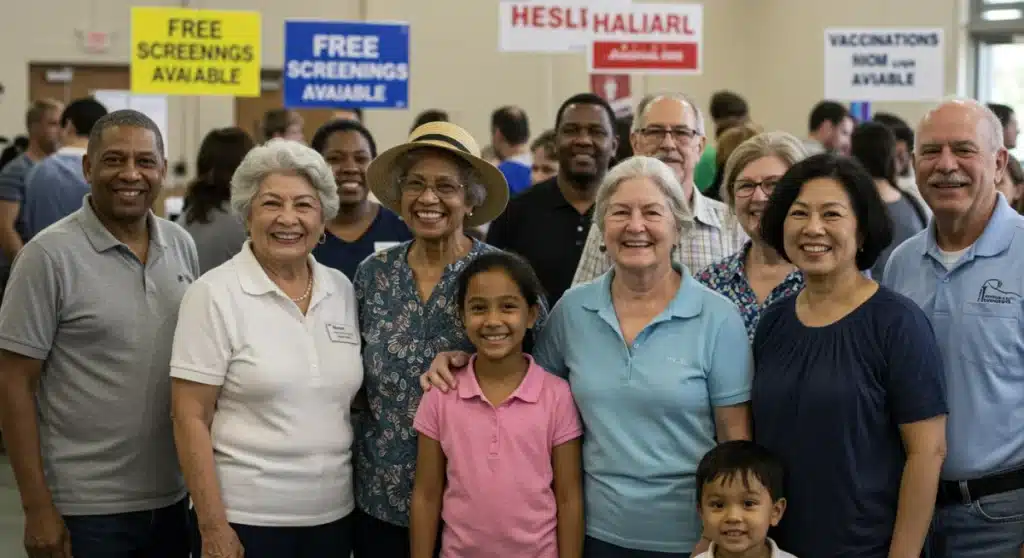
Community health programs are pivotal in offering free and low-cost health screenings and vaccinations, providing essential preventive care to individuals and families across the United States in early 2025.
Navigating the healthcare landscape can be challenging, especially when seeking affordable preventive services. Fortunately, numerous community health programs are dedicated to providing free and low-cost screenings and vaccinations, ensuring that everyone has access to critical health resources in early 2025. This guide will help you understand where and how to find these invaluable services.
Understanding the Importance of Preventive Care
Preventive care is the cornerstone of a healthy life, helping to detect potential health issues early, often before they become serious. Regular screenings and vaccinations are critical components of this proactive approach, safeguarding individuals and the broader community from preventable diseases.
Many chronic conditions, such as heart disease, diabetes, and certain cancers, can be managed more effectively if identified in their initial stages. Vaccinations, on the other hand, offer robust protection against infectious diseases, preventing outbreaks and reducing the burden on healthcare systems. Understanding these benefits motivates individuals to seek out available resources.
The Role of Screenings in Early Detection
- Early Diagnosis: Screenings can uncover diseases at their most treatable stages, leading to better outcomes.
- Risk Assessment: They help individuals understand their personal health risks, allowing for lifestyle adjustments.
- Disease Management: For those with existing conditions, regular screenings monitor progression and treatment effectiveness.
The proactive nature of preventive care not only improves individual health but also contributes to the overall well-being of the community. By reducing the incidence of severe illness, these programs help foster a healthier, more productive population.
In conclusion, embracing preventive care through regular screenings and vaccinations is a powerful step towards maintaining long-term health and preventing the onset of serious medical conditions. Community health programs are vital in making these services accessible to all.
Navigating Free and Low-Cost Screening Options
Finding free and low-cost health screenings can seem daunting, but a wealth of resources exists to assist you. These options are designed to remove financial barriers, ensuring that everyone can access essential diagnostic tests regardless of their income or insurance status. Knowing where to look is the first step toward better health.
Various organizations, from federal agencies to local non-profits, collaborate to offer a wide array of screenings. These typically include tests for blood pressure, cholesterol, diabetes, and certain types of cancer. Understanding the types of screenings available and how to access them is key to utilizing these beneficial services.
Federal and State Programs
Many government initiatives provide funding and support for free or reduced-cost screenings. Programs like Medicare and Medicaid often cover preventive services, but even for those without these benefits, specific state-funded programs exist. These programs aim to bridge gaps in healthcare access for underserved populations.
- CDC (Centers for Disease Control and Prevention): Supports various state and local health departments in offering screening services.
- HRSA (Health Resources and Services Administration): Funds community health centers that provide comprehensive primary care, including screenings, on a sliding fee scale.
- State Health Departments: Often run their own programs for specific health concerns, such as breast cancer or cervical cancer screenings.
Beyond government programs, numerous non-profit organizations and hospital systems regularly host free health clinics and screening events. These events are often advertised locally and provide an excellent opportunity to receive quick, accessible health checks. Staying informed about local announcements is crucial.
Ultimately, a combination of government support and community efforts ensures that vital health screenings are available to those who need them most. Exploring these avenues can significantly improve your access to preventive care.
Accessing Affordable Vaccinations in 2025
Vaccinations are a critical public health tool, protecting individuals and communities from infectious diseases. For early 2025, ensuring access to affordable immunizations, including flu shots, COVID-19 boosters, and routine childhood vaccines, remains a top priority for public health initiatives. Various programs are in place to make these vital protections accessible to everyone.
The cost of vaccines can sometimes be a barrier, but thankfully, numerous resources are available to help. These range from federal programs that provide vaccines to children at no cost to local clinics offering low-cost options for adults. Understanding these avenues is essential for maintaining your and your family’s immunity.
Vaccines for Children (VFC) Program
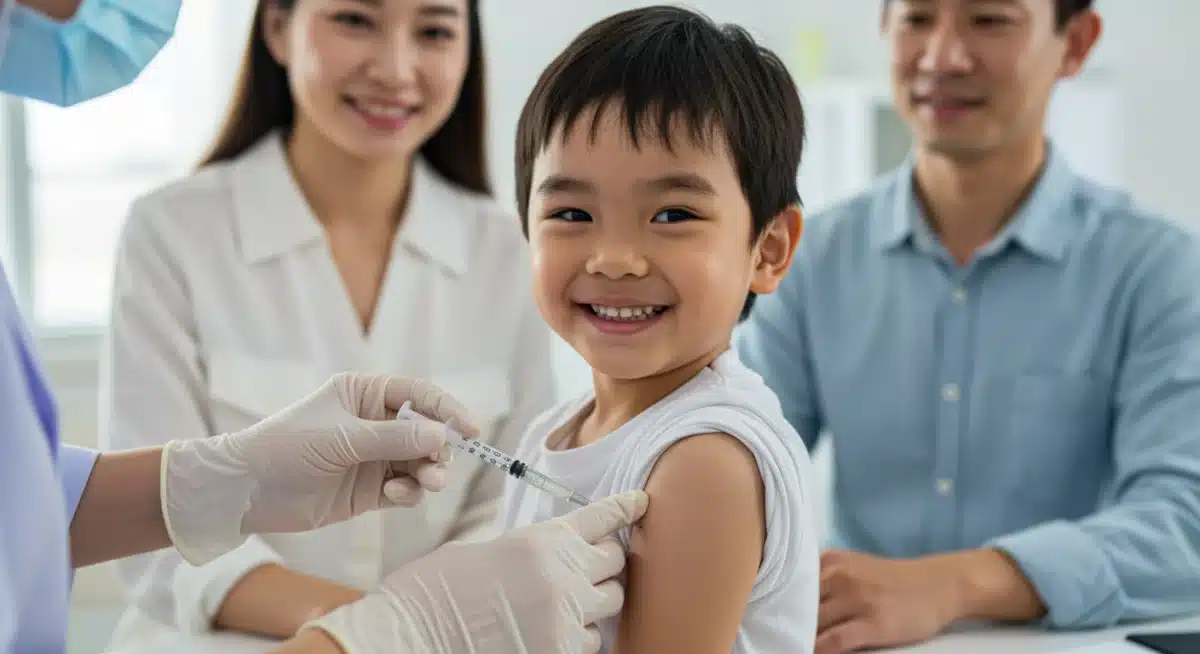
The Vaccines for Children (VFC) program is a federally funded program that provides vaccines at no cost to children aged 18 years and younger who are uninsured, underinsured, Medicaid-eligible, or American Indian/Alaska Native. This program is a lifesaver for many families, ensuring that financial status does not prevent children from receiving essential immunizations.
- Eligibility: Covers uninsured, underinsured, Medicaid-eligible, and American Indian/Alaska Native children.
- Vaccine Types: Provides all routine childhood vaccines recommended by the CDC.
- Access Points: Available through participating VFC providers, including private doctors’ offices, public health clinics, and hospitals.
For adults, options include community health centers, local health departments, and some pharmacies that offer low-cost or free vaccinations, often funded by state or local grants. Keeping an eye on public health announcements and local clinic schedules can help you find these opportunities.
In summary, a robust network of programs and facilities is dedicated to making vaccinations accessible and affordable for all age groups in 2025. Leveraging these resources is crucial for personal and community health.
Finding Community Health Centers Near You
Community health centers (CHCs) are vital pillars of the healthcare system, offering comprehensive primary care services, including screenings and vaccinations, regardless of a patient’s ability to pay. These centers serve as a crucial resource for millions across the United States, providing high-quality care in underserved areas.
CHCs operate on a sliding fee scale, meaning the cost of services is adjusted based on a patient’s income and family size. This model ensures that financial constraints do not prevent individuals from receiving necessary medical attention. Finding your nearest CHC is a key step in accessing affordable healthcare.
Key Features of Community Health Centers
- Affordable Care: Services are offered on a sliding fee scale, making them accessible to low-income individuals.
- Comprehensive Services: Provide a wide range of primary care, dental, mental health, and substance abuse services.
- Community Focus: Often offer culturally competent care and address specific health needs of their local populations.
To locate a community health center, you can use online search tools provided by the Health Resources and Services Administration (HRSA) or your state’s health department websites. These directories allow you to search by zip code, ensuring you find the most convenient location.
Many CHCs also engage in community outreach, hosting health fairs and mobile clinics that bring services directly to neighborhoods. These events are excellent opportunities to receive immediate care and learn more about ongoing services. Connecting with local community organizations can provide information on upcoming events.
In essence, community health centers represent a cornerstone of accessible healthcare, providing essential services to those who might otherwise go without. Utilizing their resources can significantly improve health outcomes for individuals and families.
Local Health Departments and Non-Profit Initiatives
Beyond federally funded programs and community health centers, local health departments and various non-profit organizations play a significant role in providing free and low-cost screenings and vaccinations. These entities often tailor their services to meet the specific needs of their local populations, making them invaluable resources for community members seeking affordable care.
Local health departments are on the front lines of public health, offering a range of services from infectious disease control to preventive health programs. Non-profit organizations, driven by a mission to serve, often fill gaps in the existing healthcare system, reaching vulnerable populations with targeted interventions.
Services Offered by Local Health Departments
Local health departments are typically responsible for implementing public health policies and providing direct health services. Their offerings can vary by jurisdiction but often include:
- Immunization Clinics: Regular clinics providing vaccinations for children and adults.
- STD/HIV Testing: Confidential and often free testing and counseling services.
- Tuberculosis Screening: Essential for early detection and prevention of TB transmission.
- Maternal and Child Health Programs: Support for pregnant individuals and young children, including screenings.
Non-profit organizations, such as free clinics, disease-specific foundations (e.g., American Cancer Society, American Heart Association), and faith-based organizations, frequently host health events, provide educational materials, and offer direct services. These organizations often rely on volunteers and donations, making their services accessible to many.
To find these local resources, checking your city or county health department’s website is a good starting point. Additionally, local community centers, libraries, and places of worship often have information about non-profit health initiatives and upcoming events. Online searches using terms like “free clinic [your city]” or “low-cost vaccinations [your county]” can also yield relevant results.
The collective efforts of local health departments and non-profits create a robust safety net, ensuring that essential health services are available and accessible at the community level. Engaging with these resources can significantly enhance your access to preventive care.
Tips for Maximizing Your Access to Affordable Healthcare
Accessing affordable healthcare, particularly for screenings and vaccinations, requires a proactive approach. Understanding how to navigate the system and utilize available resources can make a significant difference in maintaining your health without incurring prohibitive costs. Several strategies can help you maximize your access to these vital services in early 2025.
It’s not just about finding a clinic; it’s about being prepared, knowing your rights, and actively seeking information. By taking a few deliberate steps, you can ensure you and your family receive the preventive care needed to stay healthy.
Key Strategies for Affordable Healthcare Access
Being informed and organized are crucial. Here are some actionable tips:
- Stay Informed: Regularly check local health department websites, community center bulletins, and news outlets for announcements about free clinics or health fairs.
- Ask Questions: Don’t hesitate to inquire about sliding fee scales, payment plans, or eligibility for free services at any healthcare provider. Many facilities have programs you might not be aware of.
- Utilize Online Resources: Websites like the HRSA Health Center Finder, the CDC’s vaccine resources, and state health department portals are invaluable for locating services.
- Network Locally: Connect with community leaders, social workers, or patient advocates who often have up-to-date information on local resources and support programs.
Additionally, keeping a clear record of your health history and any existing conditions can help healthcare providers guide you to the most appropriate screenings. Being transparent about your financial situation allows clinics to offer the best possible assistance.
Finally, remember that prevention is often less costly than treatment. Investing time in finding and utilizing these affordable preventive services can save you significant expenses and health complications down the line.
By actively seeking information and utilizing the various resources available, you can effectively maximize your access to affordable healthcare services, ensuring a healthier future for yourself and your loved ones.
| Key Point | Brief Description |
|---|---|
| Preventive Care Importance | Early detection through screenings and vaccinations prevents serious health issues and improves community well-being. |
| Screening Options | Federal, state, and non-profit programs offer free or low-cost screenings for various conditions. |
| Vaccination Access | Programs like VFC, community health centers, and local health departments provide affordable immunizations. |
| Community Health Centers | CHCs offer comprehensive primary care on a sliding fee scale, ensuring access regardless of income. |
Frequently asked questions about community health programs
In early 2025, you can typically find free screenings for blood pressure, cholesterol, diabetes, and certain cancers (like breast and cervical cancer). Many community health programs also offer vision, hearing, and dental screenings. Availability often depends on local funding and public health priorities.
You can locate a community health center (CHC) by using the HRSA Health Center Finder online, searching your state’s health department website, or contacting your local county health office. These resources provide directories and maps to help you find the nearest affordable healthcare provider.
While federal funding for free COVID-19 vaccines may shift, many community health centers, local health departments, and pharmacies are expected to continue offering low-cost or free options, especially for uninsured or underinsured individuals. Always check with local providers for the most current information on availability and cost.
The VFC program is a federal initiative providing free vaccines to children 18 years and younger who are uninsured, underinsured, Medicaid-eligible, or American Indian/Alaska Native. This ensures eligible children receive all recommended childhood immunizations without cost barriers, protecting them from preventable diseases.
Yes, many community health centers and free clinics provide care regardless of immigration status. Their mission is to serve all community members, often offering services on a sliding fee scale or for free. It is always best to contact the specific clinic directly to confirm their policies and services.
Conclusion
Access to free and low-cost health screenings and vaccinations through community health programs is a cornerstone of public well-being in the United States. By leveraging the resources offered by federal agencies, local health departments, community health centers, and non-profit organizations, individuals can proactively manage their health and prevent the onset of serious conditions. Staying informed and knowing where to seek these vital services empowers everyone to take control of their health journey, fostering healthier communities across the nation in early 2025 and beyond.