Federal Programs for Senior Housing Stability: Over 15% Rental Savings
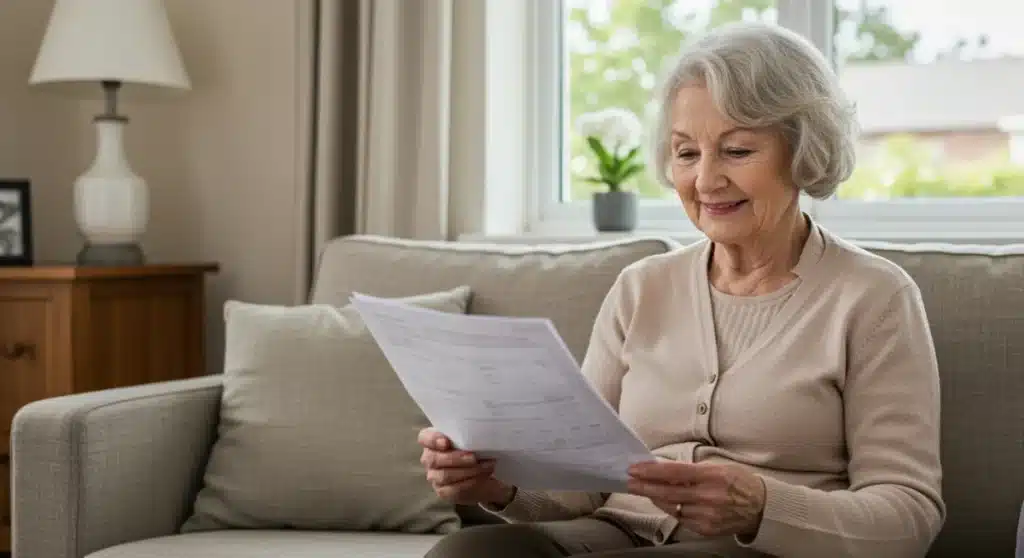
Federal programs are crucial for senior housing stability, offering significant rental cost reductions, often exceeding 15%. These initiatives aim to provide affordable and secure living environments for older adults across the United States.
Ensuring senior housing federal programs provide stability and affordability is a critical concern for many older adults and their families across the United States. With rising living costs, understanding the avenues for rental assistance can make a substantial difference in a senior’s quality of life and financial security. This article delves into the various federal initiatives designed to reduce rental costs by over 15%, offering a lifeline for those navigating the complexities of housing in their golden years.
Understanding the landscape of senior housing challenges
The challenges facing seniors in securing stable and affordable housing are multifaceted, ranging from fixed incomes and increasing healthcare costs to the dwindling availability of suitable housing options. Many older adults find themselves struggling to keep pace with escalating rental prices, often having to choose between essential needs like medication, food, and housing. This precarious situation underscores the urgent need for robust support systems.
A significant portion of seniors live on limited incomes, making them particularly vulnerable to economic fluctuations and rising housing expenses. The burden of high rent can lead to housing insecurity, forcing some seniors to downsize, relocate far from their support networks, or even face homelessness. Federal programs aim to alleviate this pressure by directly subsidizing rental costs, thereby freeing up financial resources for other vital necessities.
The economic strain on older adults
- Fixed or limited incomes that don’t keep pace with inflation.
- Increasing costs of healthcare, medications, and long-term care.
- Lack of affordable housing inventory, especially accessible units.
- The emotional and physical toll of housing insecurity on well-being.
Addressing these challenges requires a comprehensive approach that not only provides immediate financial relief but also fosters long-term housing solutions. Federal initiatives are designed to do just that, creating pathways to more stable and dignified living arrangements for America’s seniors. The impact of these programs extends beyond financial aid, contributing to overall health and community engagement.
Ultimately, a stable home environment is foundational to a senior’s overall well-being. Without the constant worry of housing instability, older adults can better focus on their health, maintain social connections, and enjoy their retirement years with greater peace of mind. This foundational support is what many federal programs strive to deliver, making a tangible difference in countless lives.
Section 8: the housing choice voucher program for seniors
The Housing Choice Voucher Program, commonly known as Section 8, stands as one of the largest federal initiatives designed to help low-income families, the elderly, and people with disabilities afford decent, safe, and sanitary housing in the private market. For seniors, this program can be a game-changer, significantly reducing their rental burden.
Under Section 8, eligible seniors receive a voucher that covers a portion of their rent, typically ensuring they pay no more than 30% of their adjusted gross income for housing and utilities. The local public housing agency (PHA) determines the voucher amount based on local fair market rents and the senior’s income, allowing for substantial savings, often exceeding the 15% threshold.
Eligibility and application process
To qualify for a Section 8 voucher, seniors must meet specific income limits, which are set by HUD and vary by location. Generally, a family’s income cannot exceed 50% of the median income for the county or metropolitan area in which the family chooses to live. Priority is often given to those with extremely low incomes.
- Contact your local Public Housing Agency (PHA) to apply.
- Be prepared for a potential waiting list, as demand often exceeds availability.
- Gather necessary documents: proof of income, age, and residency.
- Understand that the voucher can be used for any housing that meets program requirements.
The application process typically involves a detailed review of financial information and household composition. Once approved and a voucher is received, seniors can search for suitable housing in the private market, giving them flexibility and choice. This empowers seniors to live in neighborhoods that best suit their needs and preferences, close to family or essential services.
The flexibility of Section 8 allows seniors to remain in their communities, preventing displacement and maintaining their social ties. This program is not just about financial assistance; it’s about providing dignity and choice, ensuring that older adults can live comfortably and securely in a home they choose. The impact on housing stability and overall well-being is immense.
HUD’s section 202 supportive housing for the elderly program
Beyond general rental assistance, the Department of Housing and Urban Development (HUD) offers specialized programs tailored specifically for seniors. The Section 202 Supportive Housing for the Elderly Program is a prime example, providing capital advances to non-profit organizations to develop rental housing with supportive services for very low-income elderly persons.
This program aims to expand the supply of affordable housing with supportive services, which are crucial for many seniors. These services can include meal programs, transportation, and health and wellness activities, all designed to help residents live independently for as long as possible. The rental assistance provided through Section 202 can significantly reduce housing costs, often to 30% of a senior’s adjusted income.
Benefits of section 202 housing
Section 202 housing projects are designed with the unique needs of seniors in mind, offering accessible features and a community-oriented environment. This specialized approach ensures that residents not only have an affordable place to live but also access to resources that enhance their quality of life.
- Access to on-site supportive services like meals, transportation, and health monitoring.
- Rent capped at 30% of adjusted income, providing substantial savings.
- Community living environment, fostering social interaction and reducing isolation.
- Housing units designed for accessibility and senior-friendly living.
The combination of affordable rent and integrated support services makes Section 202 a highly beneficial program for eligible seniors. It addresses both the financial and social aspects of aging, promoting independence and a higher quality of life. The focus on holistic well-being sets this program apart, offering more than just a roof over one’s head.
Finding available Section 202 housing typically involves contacting local housing authorities or non-profit organizations that manage these properties. While availability can vary, persistent inquiry can lead to securing a spot in one of these valuable communities. The long-term stability and comprehensive support offered are invaluable to many older adults.
Low-income housing tax credit (LIHTC) program
The Low-Income Housing Tax Credit (LIHTC) program is the largest source of affordable housing development in the United States, including a significant number of units designated for seniors. While not exclusively for the elderly, many LIHTC properties prioritize or specifically cater to senior residents, offering reduced rents that can be well over 15% lower than market rates.
Under the LIHTC program, federal tax credits are awarded to developers who build or rehabilitate affordable rental housing. These developers, in turn, agree to rent a certain percentage of units to low-income tenants at restricted rents for an extended period, typically 30 years or more. This long-term affordability makes LIHTC properties a stable option for seniors.
How LIHTC impacts senior housing affordability
LIHTC properties often feature modern amenities and are built to high standards, providing quality housing at a fraction of the cost. For seniors, this means access to well-maintained, safe, and affordable living spaces without the burden of exorbitant rents.
- Rents are capped based on area median income, ensuring affordability.
- Many properties are newly constructed or recently rehabilitated.
- Long-term affordability ensures stable housing for decades.
- Availability often includes units designed with senior accessibility in mind.
Finding a LIHTC property involves searching through state housing finance agencies or local affordable housing directories. While income restrictions apply, the significant savings offered make these properties highly sought after by seniors seeking long-term housing solutions. The program’s success lies in its ability to leverage private investment for public good, creating a sustainable model for affordable housing.
The LIHTC program provides a crucial avenue for seniors to secure high-quality, affordable housing, contributing greatly to their financial stability and peace of mind. Its widespread implementation means that LIHTC properties are available in many communities, offering diverse options for older adults across the country.
Rural development housing programs for seniors
For seniors living in rural areas, the U.S. Department of Agriculture (USDA) Rural Development offers several programs aimed at providing affordable housing. These programs are vital for older adults in areas where housing options and support services might be more limited than in urban centers. They help ensure that seniors in rural communities also have access to stable and affordable homes.
One key program is Section 515 Rural Rental Housing, which provides direct loans to developers to build or preserve affordable rental housing for very low, low, and moderate-income individuals, including seniors. Residents in these properties often pay rent based on their income, similar to other federal subsidy programs, leading to significant cost reductions.
Specific USDA programs for rural seniors
Beyond Section 515, USDA Rural Development offers other programs that can indirectly benefit seniors, such as Section 504 Home Repair loans and grants, which help low-income homeowners, including the elderly, repair or improve their homes. This can prevent displacement due to unsafe living conditions.
- Section 515 Rural Rental Housing: Provides affordable rental units with income-based rent.
- Section 514/516 Farm Labor Housing: Can house elderly former farm laborers.
- Section 504 Home Repair Program: Offers loans and grants for critical home repairs.
- Support for community facilities that may offer senior services in rural areas.
These programs acknowledge the unique challenges faced by seniors in rural settings, such as greater distances to services and often older housing stock. By providing both rental assistance and home improvement aid, USDA Rural Development helps seniors maintain their independence and quality of life in their chosen communities.
Accessing these programs typically involves contacting your local USDA Rural Development office. They can provide information on eligibility and available properties or assistance. These initiatives are essential for ensuring that geographical location does not preclude seniors from accessing necessary housing support.
Navigating the application process and maximizing benefits
While federal programs offer substantial benefits, navigating the application process can sometimes feel overwhelming. It requires careful attention to detail, persistence, and a clear understanding of eligibility requirements. However, with the right approach, seniors can successfully access the assistance they need to achieve housing stability.
The first step is always to gather all necessary documentation, including proof of income, assets, age, and any disability status. Each program will have specific requirements, so it’s crucial to review them thoroughly. Don’t hesitate to seek assistance from local housing authorities, senior advocacy groups, or non-profit organizations that specialize in helping seniors with housing.
Tips for a successful application
- Start early: Waiting lists for many programs can be long.
- Be organized: Keep all documents in a dedicated folder.
- Seek help: Utilize resources like senior centers or housing counselors.
- Follow up: Regularly check on the status of your application.
- Understand income and asset limits: These are crucial for eligibility.
Maximizing benefits often involves combining programs where possible or understanding which program best suits your specific situation. For example, a senior might qualify for a Section 8 voucher and choose to use it in a LIHTC property, further enhancing affordability. Education about available options is key.
Beyond financial assistance, many programs offer supportive services that can significantly improve a senior’s quality of life. Actively engaging with these services, such as transportation, meal programs, or social activities, can help seniors maintain independence and community connection. The effort invested in navigating these processes pays off in long-term housing security and well-being.
Future outlook: advocacy and ongoing support for senior housing
The landscape of senior housing support is continuously evolving, driven by demographic shifts and ongoing advocacy efforts. As the population ages, the demand for affordable and supportive housing for seniors will only increase, making continued federal investment and innovative solutions more critical than ever. Advocacy plays a vital role in shaping future policies and ensuring these programs remain robust.
Organizations dedicated to senior welfare continually lobby for increased funding, expanded eligibility, and streamlined application processes for federal housing programs. Their efforts highlight the economic and social benefits of ensuring housing stability for older adults, not just for individuals but for communities as a whole. Staying informed about these advocacy efforts can empower seniors and their families to support initiatives that benefit them.
Current trends and future needs
The focus is shifting towards more integrated care models, where housing is combined with health and social services to provide comprehensive support. This holistic approach recognizes that housing is a determinant of health and well-being, especially for seniors.
- Increased demand for accessible and age-friendly housing designs.
- Integration of health and social services within affordable senior housing.
- Technological advancements to support independent living.
- Continued need for robust federal funding and diverse housing options.
The future of senior housing stability depends on a collaborative effort between government agencies, non-profit organizations, developers, and the seniors themselves. By understanding the existing federal programs and advocating for their improvement and expansion, we can collectively work towards a future where every senior has a safe, affordable, and supportive place to call home. This ongoing commitment is essential for addressing the evolving needs of an aging population.
| Key Program | Brief Description |
|---|---|
| Section 8 Vouchers | Helps low-income seniors afford housing in the private market, capping rent at ~30% of income. |
| HUD Section 202 | Supportive housing for very low-income elderly with integrated services and reduced rent. |
| LIHTC Program | Provides tax credits to developers for building affordable rental units, many for seniors. |
| USDA Rural Housing | Offers affordable rental and home repair assistance for seniors in rural areas. |
Frequently asked questions about senior housing assistance
The primary goal is to ensure housing stability and affordability for low-income seniors. These programs aim to reduce rental costs significantly, often to a manageable percentage of their income, allowing them to allocate funds to other essential needs like healthcare and food.
Seniors should contact their local Public Housing Agency (PHA) to inquire about the application process. Eligibility depends on income limits and family size. Be prepared for potentially long waiting lists and ensure all necessary documentation is readily available for review.
Yes, HUD’s Section 202 Supportive Housing for the Elderly Program is specifically tailored for this. It provides affordable housing along with integrated supportive services such as meal programs, transportation, and health and wellness activities to help seniors maintain independence.
The Low-Income Housing Tax Credit (LIHTC) program incentivizes developers to build or rehabilitate affordable rental housing. Many LIHTC properties include units specifically for seniors, providing modern, quality housing at rents significantly below market rates for long periods, often 30 years.
Seniors in rural areas can access programs through the USDA Rural Development, such as Section 515 Rural Rental Housing. This program provides affordable rental units, with rent often based on income. Additionally, home repair loans and grants can help seniors maintain their existing homes.
Conclusion
The array of federal programs available for senior housing stability offers a vital safety net for older adults across the United States. From broad initiatives like Section 8 to specialized programs such as HUD’s Section 202 and USDA Rural Development’s offerings, these initiatives collectively aim to alleviate the financial burden of housing, often providing over 15% in rental cost reductions. By understanding and accessing these resources, seniors can achieve greater peace of mind, maintain their independence, and enjoy a higher quality of life in their golden years, ensuring that a stable and affordable home remains a fundamental right for all. Continued advocacy and awareness are crucial to strengthening these programs for future generations.