Identifying and Avoiding Housing Scams: 5 Critical Red Flags for 2025
Protect yourself from pervasive housing scams by recognizing key warning signs, including unrealistic prices, pressure tactics, and requests for unusual payment methods, ensuring a safer housing search in 2025.
Navigating the housing market can be challenging, but understanding how to identify and avoid housing scams is crucial, especially as fraudulent tactics evolve. In 2025, vigilance is more important than ever to protect your finances and peace of mind. This article will equip you with the knowledge to spot the most common red flags and safeguard your housing search.
Understanding the Landscape of Housing Scams in 2025
Housing scams are becoming increasingly sophisticated, making it vital for prospective renters and buyers to be aware of the common tactics fraudsters employ. These scams often target vulnerable individuals, including those new to a city, students, or anyone under pressure to find housing quickly. The digital age has unfortunately provided new avenues for scammers to operate, from fake online listings to elaborate phishing schemes.
In 2025, scammers are leveraging advanced technologies, including AI-generated images and deepfake videos, to create seemingly legitimate listings and impersonate landlords or real estate agents. This makes traditional verification methods less effective, necessitating a more comprehensive and cautious approach to your housing search. Understanding the motivations behind these scams and the typical profiles of their victims can help you develop a stronger defense.
The Evolution of Digital Deception
- AI-Generated Content: Scammers use AI to create realistic photos and descriptions of properties that don’t exist or aren’t for rent.
- Deepfake Impersonations: Fraudsters might use deepfake technology during video calls to impersonate legitimate property owners or agents, building false trust.
- Phishing Expeditions: Sophisticated emails and websites mimic reputable real estate platforms, designed to steal personal and financial information.
The goal of these criminals is almost always financial gain, whether it’s through upfront fees, security deposits, or personal data theft that can lead to identity fraud. Being informed about these evolving threats is the first step in protecting yourself and ensuring a secure housing transaction. Always assume a degree of skepticism when something seems too good to be true.
Red Flag 1: Unrealistic Prices or Conditions
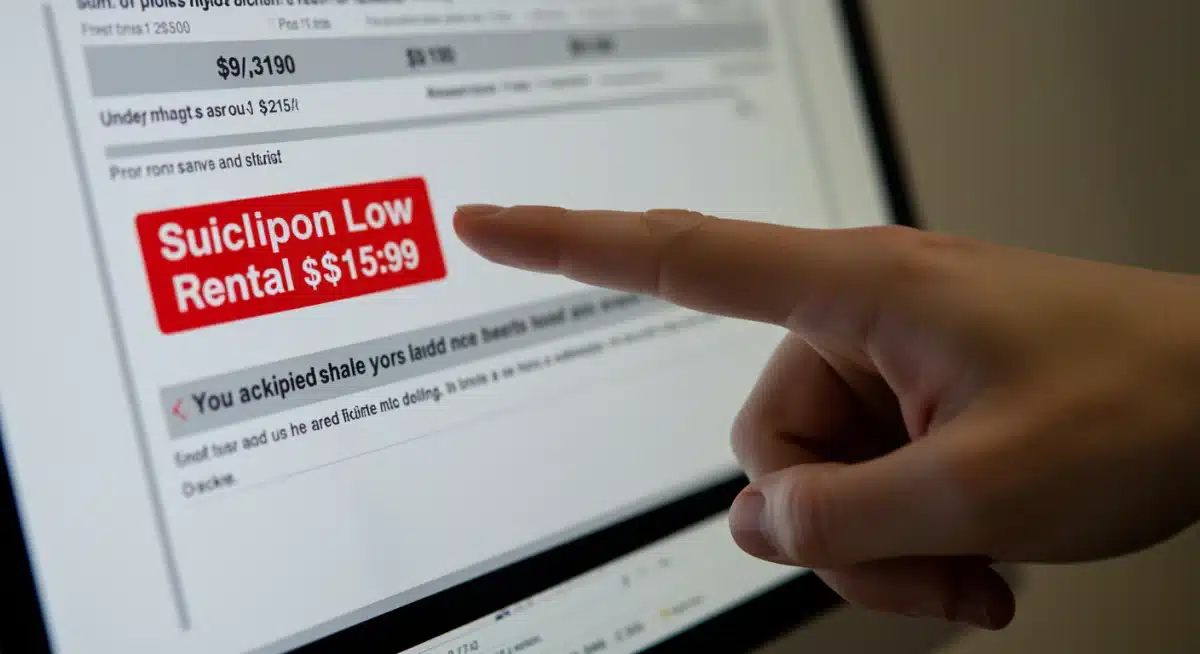
One of the most immediate and glaring signs of a potential housing scam is an offer that seems too good to be true. While everyone hopes to find a great deal, dramatically lower prices compared to similar properties in the same area should immediately raise suspicion. Scammers often use enticingly low rents or sale prices to draw in unsuspecting victims quickly.
Beyond price, be wary of unusually flexible or vague conditions. This could include a landlord who is too eager to rent without proper background checks, or a seller who pushes for a quick closing without allowing adequate inspection periods. These tactics are designed to rush you into a decision before you have time to thoroughly investigate the legitimacy of the offer. Always compare the listing with market averages.
Spotting Suspicious Pricing
- Below Market Value: A property priced significantly lower than comparable listings in the same neighborhood is a major red flag. Research average rental or sale prices in the area.
- Lack of Detail: Listings with generic descriptions or few photos, despite a low price, can indicate a scam.
- Overly Attractive Incentives: Be cautious of offers that include excessive perks or discounts seemingly without reason.
Always conduct thorough market research to understand typical pricing. If a deal stands out drastically, it’s essential to investigate further rather than jumping at the opportunity. Scammers rely on your desire for a good deal to bypass critical thinking. Verify the property’s actual value through multiple reliable sources before proceeding.
Red Flag 2: Pressure Tactics and Urgency
Scammers thrive on creating a sense of urgency to manipulate potential victims into making hasty decisions. If a landlord or seller pressures you to act immediately, demanding a deposit or signing a contract without allowing you sufficient time to review, it’s a significant red flag. They might claim there are many other interested parties or that the offer is only valid for a very short period.
This manipulative tactic is designed to prevent you from conducting due diligence, such as visiting the property, verifying the landlord’s identity, or consulting with legal counsel. Legitimate landlords and sellers understand that finding housing is a significant decision and will provide reasonable time for you to consider your options. Any attempt to rush the process should be met with extreme caution.
Common Pressure Scenarios
- Immediate Deposit Demands: Being asked for a security deposit or first month’s rent before signing a lease or seeing the property in person.
- “Limited Time Offer”: Claims that the property will be taken by someone else if you don’t commit immediately.
- Avoiding Questions: A reluctance to answer detailed questions or provide additional information, instead pushing for a quick decision.
Never feel pressured to send money or sign documents without being completely comfortable and having thoroughly vetted the situation. Take your time, ask questions, and if the other party becomes agitated or tries to rush you, it’s best to walk away. Your financial security is worth more than a seemingly good deal.
Red Flag 3: Refusal to Show the Property or Meet in Person
A crucial step in securing any housing is physically visiting the property. If a landlord or agent consistently makes excuses for why you cannot see the property in person, it’s a major red flag. Common excuses include being out of the country, the property being occupied by a current tenant who cannot be disturbed, or other vague reasons that prevent a viewing.
In some cases, scammers might offer virtual tours, but even these can be fabricated using existing online images or AI. While virtual tours have become more common, especially for long-distance moves, they should always be supplemented with other verification methods. If an in-person viewing is impossible, insist on a live video call with the landlord or agent while they are physically at the property, and ask them to show specific features or details that would be hard to fake.
Verification is Key
- No Physical Access: Any situation where you are unable to tour the property, even with a representative, is highly suspicious.
- Third-Party Access Issues: Claims that a third party holds the keys or manages viewings, but this party is unresponsive or difficult to reach.
- Generic Photos Only: If only stock photos or images that appear to be from a different property are provided, be wary.
Always prioritize seeing the property yourself or having a trusted representative do so. If you cannot verify the existence and condition of the property, you run the risk of sending money for a place that doesn’t exist or isn’t actually available for rent. This step is non-negotiable for legitimate transactions.
Red Flag 4: Unusual Payment Methods and Demands
How a landlord or seller requests payment is a critical indicator of legitimacy. Scammers almost always insist on unconventional or untraceable payment methods. This includes requests for wire transfers, gift cards, cryptocurrency, or direct cash payments. These methods are preferred by fraudsters because they are difficult, if not impossible, to trace or recover once sent.
Legitimate landlords and real estate professionals typically use secure, traceable payment methods such as certified checks, bank transfers to a verified business account, or established online payment platforms with built-in protections. Be extremely suspicious if anyone asks you to send money through an app or service that doesn’t offer buyer protection or a clear paper trail. Always question why a standard payment method isn’t acceptable.
Warning Signs in Payment Requests
- Wire Transfers: A common scam tactic, as funds are almost immediately irrecoverable.
- Gift Cards: No legitimate business will ask for payment in the form of gift cards.
- Cryptocurrency: While becoming more mainstream, it’s still a high-risk payment method for housing transactions due to its untraceable nature.
- Cash-Only Deals: Demanding only cash without providing a clear receipt or paper trail.
Never send money without a signed lease or contract, and always verify the recipient’s identity. If the payment instructions seem unusual or the landlord pressures you to use a specific, untraceable method, cease communication immediately. This is one of the clearest indicators of a scam.
Red Flag 5: Lack of Proper Documentation and Communication Issues
Legitimate housing transactions involve a significant amount of paperwork, including detailed leases, rental agreements, property disclosures, and official identification. A scammer will often be reluctant or unable to provide proper documentation. This includes refusing to show a valid ID, presenting poorly written or incomplete contracts, or avoiding formal communication channels.
Pay close attention to the quality of communication. Scammers often use generic email addresses (e.g., Gmail, Yahoo) rather than professional domains associated with real estate companies. Their messages might contain grammatical errors, unusual phrasing, or a lack of personal detail. A legitimate landlord or agent will be professional, responsive, and willing to provide all necessary documentation for your review.
What to Look For in Documentation and Communication
- Vague or Incomplete Leases: Contracts that lack essential details, such as specific terms, conditions, or landlord contact information.
- Refusal of ID Verification: The landlord or agent is unwilling to provide proof of identity or ownership of the property.
- Poor Communication: Emails filled with typos, inconsistent information, or a general lack of professionalism.
- No Official Channels: Insistence on communicating only through text messages or unverified email accounts.
Always request and thoroughly review all legal documents, and if anything seems off, consult with a legal professional. Trust your instincts; if the communication feels unprofessional or details are missing, it’s likely a fraudulent scheme. Proper documentation and clear communication are hallmarks of a legitimate housing transaction.
Protecting Yourself: Best Practices Beyond Red Flags
Beyond recognizing the critical red flags, adopting a proactive approach is your best defense against housing scams. This involves a combination of careful research, verification, and common sense. Never rush into a decision, no matter how appealing the offer may seem. Always prioritize your safety and financial security over a quick deal.
Utilize online resources to research landlords, property management companies, and real estate agents. Check reviews, look for official websites, and verify licenses. When meeting someone for the first time, choose a public place. If viewing a property, avoid going alone. Inform a friend or family member of your whereabouts and the details of the meeting. These simple steps can significantly reduce your risk of falling victim to a scam.
Essential Defensive Strategies
- Verify Ownership: Cross-reference property addresses with county assessor’s offices or property records to confirm the landlord’s identity.
- Use Trusted Platforms: Stick to reputable real estate websites and platforms known for their security measures and verification processes.
- Read Reviews: Search for reviews of landlords, agents, or property management companies.
- Consult Legal Advice: If you have any doubts about a lease or contract, have it reviewed by an attorney.
By integrating these best practices into your housing search, you create multiple layers of protection against evolving scam tactics. Remember, scammers are constantly adapting, so staying informed and exercising caution are your most powerful tools in securing legitimate housing in 2025.
| Key Red Flag | Brief Description |
|---|---|
| Unrealistic Prices | Prices significantly below market value for comparable properties. |
| Pressure Tactics | Urgent demands for deposits or quick decisions without adequate time for review. |
| No Property Viewing | Refusal or inability to show the property in person or via live video. |
| Unusual Payment | Requests for untraceable payment methods like wire transfers or gift cards. |
Frequently Asked Questions About Housing Scams
The most common housing scam involves fake rental listings. Scammers post attractive, often below-market-value properties that don’t exist or aren’t available, then pressure applicants into sending deposits or personal information before a viewing or lease signing. They leverage high demand to rush victims into decisions.
Verify a landlord’s legitimacy by checking public property records to confirm ownership. Ask for their official identification and compare it with the name on property documents. Also, research them online for reviews or any reported fraudulent activities. A legitimate landlord will readily provide this information.
If you suspect a scam, cease all communication with the alleged landlord or agent. Do not send any money or personal information. Report the listing to the platform where you found it, and contact local law enforcement or consumer protection agencies to report the fraudulent activity.
While virtual tours can be convenient, they carry risks as scammers can use fabricated videos or images. Always request a live video tour where the host can show specific details you ask for. Ideally, combine virtual tours with an in-person visit by yourself or a trusted representative if possible.
Avoid any payment method that is untraceable, such as wire transfers, gift cards, cryptocurrency, or direct cash payments without a verifiable receipt. Legitimate transactions typically involve certified checks, bank transfers to verified accounts, or secure online payment platforms with proper documentation and protection.
Conclusion
The housing market, while full of opportunities, also presents risks from increasingly cunning scammers. By staying informed about the five critical red flags discussed—unrealistic prices, pressure tactics, refusal to show property, unusual payment methods, and lack of proper documentation—you significantly enhance your ability to identify and avoid housing scams in 2025. Always approach any housing opportunity with a healthy dose of skepticism, prioritize thorough verification, and never compromise your financial security for a deal that feels too good to be true. Your vigilance is your strongest defense against fraud, ensuring a safe and successful housing search.