Unlock Community Funds: 7-Step Plan Before April 2025
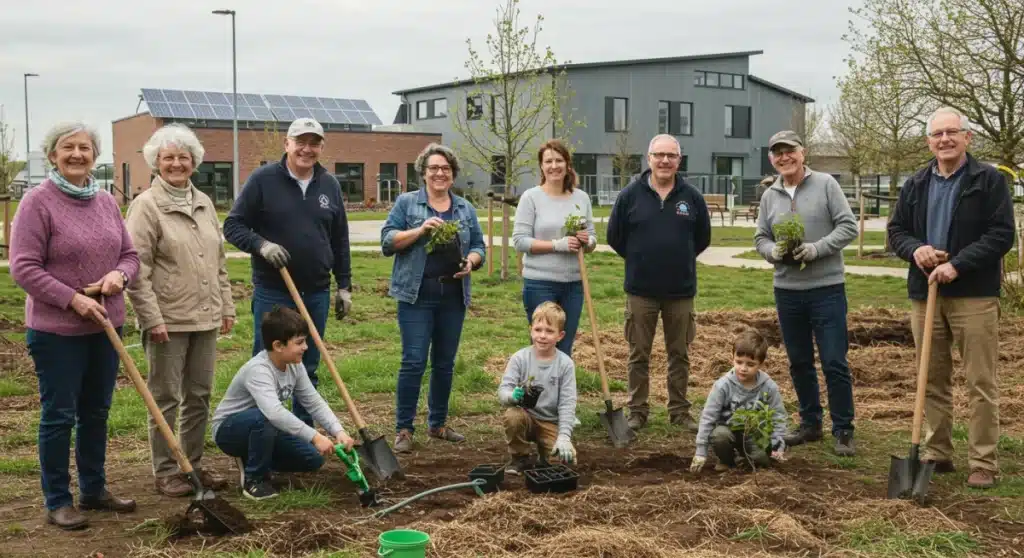
Accessing community development funds before April 2025 is crucial for local initiatives, requiring a strategic 7-step plan from identifying needs to successful implementation and reporting.
Are you ready to unlock your local potential? Navigating the landscape of funding opportunities can seem daunting, but with a clear roadmap, securing essential resources for your community is entirely achievable. This guide presents a practical, 7-step plan to accessing community development funds before the critical deadline of April 2025, offering actionable insights for organizations across the United States.
Understanding the Landscape of Community Development Funds
Before diving into the application process, it’s vital to grasp what community development funds entail and their purpose. These funds are designed to support initiatives that improve the social, economic, and environmental well-being of specific communities. They can come from various sources, including federal agencies, state programs, private foundations, and corporate social responsibility initiatives, each with its own focus and eligibility criteria.
The core objective of these funds is to foster sustainable growth, address systemic inequalities, and enhance the quality of life for residents. Projects typically funded include affordable housing, economic revitalization, infrastructure improvements, educational programs, healthcare access, and environmental sustainability efforts. Understanding this broad scope helps in identifying which funding streams align best with your community’s specific needs and proposed projects.
Identifying Funding Sources
The first step in securing funding is knowing where to look. This involves extensive research into various governmental and philanthropic organizations. Federal programs, such as those from the Department of Housing and Urban Development (HUD) or the Department of Agriculture (USDA), often have significant allocations for community development. State-level agencies also administer grants that cater to localized needs, while private foundations frequently target specific areas of impact, from youth development to environmental conservation.
- Federal government grants (e.g., HUD, USDA, EDA)
- State and local government programs
- Private philanthropic foundations
- Corporate social responsibility initiatives
Each source will have distinct application cycles, deadlines, and requirements. It’s crucial to start this research early, especially with the April 2025 deadline looming for many opportunities, to ensure ample time for preparation.
In essence, a comprehensive understanding of the funding landscape involves not just identifying potential sources but also discerning their individual priorities and operational frameworks. This foundational knowledge empowers communities to strategically align their project proposals with the objectives of potential funders, significantly increasing their chances of success.
Step 1: Needs Assessment and Project Definition
The foundation of any successful funding application lies in a thorough needs assessment. This critical first step involves objectively evaluating your community’s challenges and identifying specific areas where intervention can make a tangible difference. Without a clear understanding of the problem your project aims to solve, it’s impossible to articulate its value to potential funders.
A robust needs assessment goes beyond anecdotal evidence. It requires gathering data, conducting surveys, holding community forums, and consulting local experts. This objective data helps validate the urgency and relevance of your proposed project, demonstrating to funders that your initiative is based on real, verifiable needs within the community. It also ensures that the project directly addresses the root causes of identified issues, rather than merely treating symptoms.
Conducting a Comprehensive Needs Analysis
Begin by collecting demographic, economic, and social data relevant to your community. Look for statistics on poverty rates, unemployment, access to healthcare, educational attainment, and infrastructure deficiencies. Compare these local figures to regional or national averages to highlight specific areas of concern. Engaging community members directly through surveys and focus groups provides invaluable qualitative data, offering firsthand perspectives on their most pressing needs and aspirations.
- Gather statistical data (demographics, economics, health)
- Conduct community surveys and interviews
- Host public forums and town halls
- Consult with local leaders and service providers
Once the needs are clearly identified, the next phase involves defining your project with precision. This includes outlining its objectives, activities, and expected outcomes. A well-defined project will have SMART goals: Specific, Measurable, Achievable, Relevant, and Time-bound. This clarity is essential for developing a strong proposal that resonates with funders.
Ultimately, a comprehensive needs assessment and a well-defined project are interdependent. The assessment provides the justification, while the project definition offers the solution. Together, they form a compelling narrative that demonstrates both the necessity and the viability of your initiative to potential funding sources.
Step 2: Researching and Identifying Eligible Grant Opportunities
With your community’s needs clearly defined, the next crucial step is to meticulously research and identify grant opportunities that align with your project’s scope and objectives. This phase demands patience and a systematic approach, as the landscape of available funding is vast and varied. The goal is to find funders whose mission and priorities closely match your community’s proposed initiative, increasing the likelihood of a successful application.
Many organizations make the mistake of applying for every grant they encounter, which is inefficient and often leads to rejection. A targeted approach, focusing on opportunities for which your project is a strong fit, yields far better results. This involves not only looking at the grant’s stated purpose but also understanding the funder’s historical giving patterns and preferred types of projects.
Utilizing Grant Databases and Resources
Several online databases and resources specialize in listing grant opportunities. Websites like Grants.gov are essential for federal grants, while foundation directories such as the Foundation Center (now Candid) provide extensive listings for private foundations. State and local government websites will also often have dedicated sections for grant programs. Beyond these, consider industry-specific associations and community foundations that often support local projects.
- Grants.gov for federal funding opportunities
- Candid (formerly Foundation Center) for private foundations
- State and local government grant portals
- Community foundations and local philanthropic groups
Pay close attention to eligibility requirements, funding amounts, and application deadlines. Many grants have strict criteria regarding the type of organization, geographic location, or specific population served. Ensure your organization meets these prerequisites before investing time in developing a full proposal. The April 2025 deadline is significant, so prioritize opportunities with upcoming closing dates.
Effective research in this stage streamlines the entire grant-seeking process, preventing wasted effort on unsuitable opportunities and allowing your team to focus on crafting high-quality applications for the most promising prospects. It’s about working smarter, not just harder, in the pursuit of essential community funding.
Step 3: Building a Strong Project Team and Partnerships
Securing significant community development funds often requires more than just a compelling idea; it demands a robust and collaborative team. Funders look for evidence of organizational capacity, indicating that your project has the leadership, expertise, and community backing necessary for successful implementation. This means assembling a dedicated project team and forging strategic partnerships that enhance your proposal’s credibility and impact.
A strong team brings diverse skills to the table, from project management and financial oversight to community engagement and evaluation. Partnerships, on the other hand, demonstrate broad support for your initiative and can leverage additional resources, expertise, and reach. These collaborations can be with other non-profits, local businesses, government agencies, educational institutions, or even informal community groups.
Assembling Your Core Project Team
Identify key individuals who will be responsible for leading and executing the project. This includes a project manager, financial administrator, community liaison, and subject matter experts relevant to your initiative. Clearly define their roles and responsibilities. Highlight their qualifications and experience in your proposal to reassure funders of your team’s capability to deliver on the project’s objectives.
- Project Manager (oversight and coordination)
- Financial Administrator (budget management)
- Community Liaison (engagement and outreach)
- Subject Matter Experts (technical guidance)
Beyond internal capacity, external partnerships are invaluable. A letter of support from a respected community organization or a commitment from a local business to provide in-kind donations can significantly strengthen your application. These partnerships not only add weight to your proposal but also demonstrate a collective commitment to the community’s well-being, a factor highly valued by many funders.
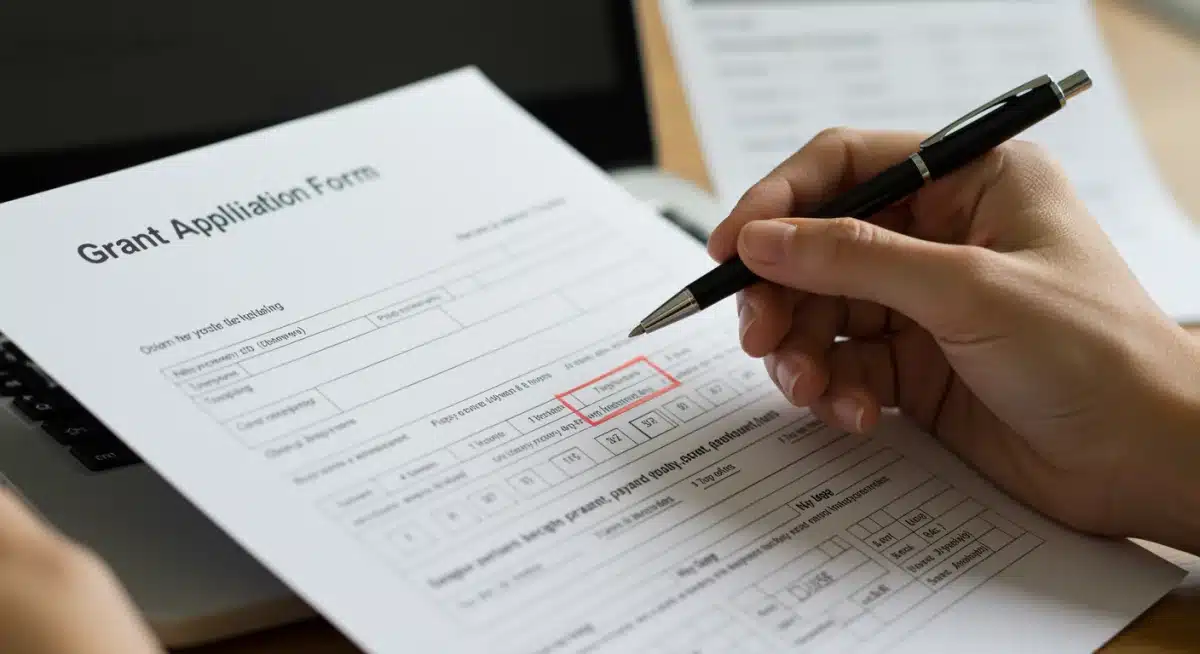
Building a strong team and cultivating strategic partnerships are not merely bureaucratic steps; they are fundamental to the success and sustainability of any community development project. They reflect a collaborative spirit and a shared vision, signaling to funders that your initiative is well-supported and poised for impactful results.
Step 4: Crafting a Compelling Grant Proposal
Once you have identified suitable funding opportunities and assembled your team, the next pivotal step is crafting a compelling grant proposal. This document is your primary tool for communicating your project’s vision, demonstrating its necessity, and convincing funders that your organization is the right choice to receive their support. A well-written proposal is clear, concise, persuasive, and directly addresses all requirements outlined in the grant guidelines.
Funders often review hundreds of applications, so yours must stand out. This means going beyond simply listing facts; it requires weaving a narrative that captures the imagination while providing concrete evidence and a detailed plan. Every section of the proposal, from the executive summary to the budget, must be meticulously prepared and aligned with the funder’s priorities.
Key Components of a Successful Proposal
A typical grant proposal includes several standard sections, each serving a specific purpose. The executive summary should provide a concise overview of the entire project, hooking the reader from the start. The statement of need, backed by your earlier assessment, articulates the problem your project addresses. The project description details your objectives, activities, and expected outcomes. The organizational capacity section highlights your team’s qualifications and experience, along with any relevant partnerships.
- Executive Summary: A brief, compelling overview.
- Statement of Need: Data-driven justification for the project.
- Project Description: Detailed goals, activities, and outcomes.
- Budget: A clear, itemized financial plan.
- Evaluation Plan: How success will be measured.
The budget section is particularly critical; it must be realistic, detailed, and directly linked to your project activities. Funders want to see how their money will be spent and that you have a clear understanding of financial management. An equally important component is the evaluation plan, which outlines how you will measure the project’s impact and demonstrate its success. This shows accountability and a commitment to continuous improvement.
Crafting a compelling grant proposal is an art and a science. It requires careful attention to detail, strong writing skills, and a deep understanding of both your community’s needs and the funder’s expectations. Investing time in this stage significantly increases your chances of securing the necessary community development funds.
Step 5: Budget Development and Financial Planning
A meticulously developed budget and a sound financial plan are non-negotiable components of any successful grant application. Funders not only want to know what you plan to do, but also how you plan to manage their investment responsibly and effectively. A clear, realistic, and justified budget demonstrates your organization’s fiscal prudence and its capacity to execute the project within defined financial parameters.
This stage involves more than just listing expenses; it requires a strategic approach to financial forecasting, resource allocation, and demonstrating cost-effectiveness. Every line item in your budget should directly support the project activities outlined in your proposal and be justifiable based on current market rates and organizational needs.
Creating a Detailed and Justified Budget
Begin by itemizing all anticipated costs, categorizing them into personnel, supplies, equipment, travel, administrative overhead, and other direct project expenses. Be as specific as possible. For personnel costs, include salaries, benefits, and the percentage of time each staff member will dedicate to the project. For supplies and equipment, provide estimated costs and, where possible, obtain quotes. Justify each expense by explaining its necessity for achieving project objectives.
- Personnel costs (salaries, benefits, time allocation)
- Operating expenses (rent, utilities, communications)
- Direct project costs (materials, equipment, travel)
- Administrative overhead (indirect costs)
Beyond direct costs, consider indirect costs or administrative overhead. Some funders allow a percentage of indirect costs, while others may require them to be absorbed or waived. Understand the funder’s policy on this. Also, explore opportunities for in-kind contributions, such as donated volunteer hours, space, or materials. These demonstrate community support and can reduce the grant amount requested, making your proposal more attractive.
A well-structured budget is a transparent financial roadmap that instills confidence in potential funders. It assures them that their investment will be managed prudently and will contribute directly to the intended community development outcomes. This detailed financial planning is a cornerstone of securing essential funding before the April 2025 deadline.
Step 6: Submission, Follow-Up, and Grant Management
The final steps in accessing community development funds involve the meticulous submission of your proposal, strategic follow-up, and, upon approval, diligent grant management. The submission process itself often has specific technical requirements that, if not followed precisely, can lead to immediate disqualification. Post-submission, a thoughtful follow-up can sometimes provide an edge, while effective grant management is paramount for fulfilling obligations and building a positive reputation for future funding opportunities.
Considering the April 2025 timeframe, understanding submission portals, ensuring all documents are correctly formatted, and adhering to deadlines are critical. Procrastination in this phase can negate all the hard work put into the earlier steps, so a systematic approach is essential.
Navigating the Submission Process
Most federal and many private grants require online submission through dedicated portals. Familiarize yourself with the chosen platform well in advance of the deadline. Pay close attention to file formats, naming conventions, and any character limits for text fields. It’s often advisable to submit a day or two before the absolute deadline to account for any technical glitches or unexpected issues. Confirm receipt of your application, if possible.
- Adhere strictly to submission deadlines.
- Verify all technical requirements (file formats, naming).
- Utilize online portals correctly.
- Confirm application receipt.
After submission, a polite follow-up inquiry—if permitted by the funder—can occasionally be beneficial, especially if there’s a prolonged silence. However, respect the funder’s communication guidelines; excessive contact can be detrimental. Once a grant is awarded, the real work of grant management begins. This includes meticulous record-keeping of all expenditures, adherence to reporting schedules, and regular communication with the funder regarding project progress and any challenges encountered.
Successful grant management not only ensures the successful completion of your current project but also establishes a track record of reliability and accountability. This reputation is invaluable for cultivating long-term relationships with funders and securing future community development funds, allowing your organization to continue making a lasting impact.
| Key Step | Brief Description |
|---|---|
| Needs Assessment | Objectively identify community challenges and define project scope. |
| Grant Research | Find eligible funding opportunities aligned with project goals. |
| Proposal Crafting | Write a clear, compelling, and compliant application. |
| Budget & Management | Develop a realistic budget and plan for diligent grant oversight. |
Frequently Asked Questions About Community Development Funds
Community development funds often support a wide array of projects, including affordable housing initiatives, economic revitalization programs, infrastructure improvements, educational services, healthcare access, and environmental sustainability efforts. Eligibility varies by funder, so aligning your project with their specific mission is key.
Community involvement is critically important. Funders highly value projects that demonstrate strong local support and address genuine community needs identified through participatory processes. Engaging residents ensures the project is relevant, sustainable, and has a higher chance of long-term success and positive impact.
The April 2025 deadline is a crucial cutoff for many grant cycles, federal allocations, and foundational giving initiatives. Missing this window could mean deferring your project for another year or longer, making timely application essential for immediate community impact and securing available resources.
Absolutely. Many community development funds are specifically designed to empower grassroots initiatives. While larger grants might require more robust organizational capacity, smaller organizations can often partner with fiscal sponsors or larger non-profits to meet eligibility criteria and enhance their proposals.
After submission, funders typically undergo a review period, which can range from weeks to several months. You may be contacted for additional information or an interview. If successful, you’ll receive a grant agreement outlining terms and reporting requirements. If unsuccessful, seek feedback to improve future applications.
Conclusion
Securing community development funds before April 2025 represents a significant opportunity to transform local initiatives into tangible realities. By diligently following this 7-step plan—from a comprehensive needs assessment and strategic grant research to crafting compelling proposals and meticulous project management—organizations can navigate the funding landscape with confidence. The process demands dedication, collaboration, and a clear vision, but the reward is a stronger, more vibrant community. Embrace this window of opportunity to unlock your local potential and build a lasting positive impact for those you serve.